Washed vs Natural Coffee Processing Methods Explained
If you’ve ever wondered why some coffees taste clean and bright while others are heavy and fruity, the answer often starts before roasting — with how the beans were processed after harvest. The two most common methods, washed (wet) and natural (dry), dramatically shape a coffee’s final profile. But how exactly do they work, and why does it matter?
There are two primary ways to process coffee beans for roasting: the washed (wet) method and the natural (dry) method. Washed processing is more expensive, labor-intensive, and typically used for high-quality beans, while natural processing is cheaper, simpler, and often used for more basic or commodity-grade coffees.
What Is Natural (Dry) Coffee Processing?
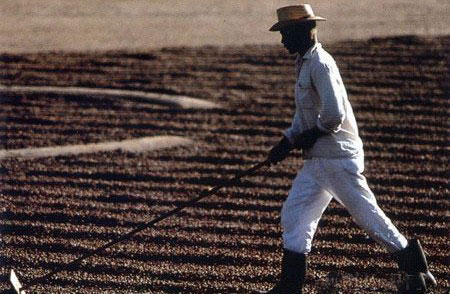
The natural or dry process is the oldest, simplest, and most cost-effective way to prepare coffee beans. In this method, freshly picked coffee cherries are spread out to dry in the sun — typically on concrete patios, brick surfaces, or mats. The cherries must be regularly raked to prevent mold or fermentation, especially if it rains or temperatures drop. They’re covered when necessary to protect them.
Over roughly four weeks, the cherries dry until their moisture content drops to around 12%. At this stage, especially in Brazil, the dried husk becomes brittle and you can often hear the beans rattling inside. The beans are then stored to allow remaining moisture to stabilize. But getting the drying just right is critical: over-dried beans can break during hulling, while under-dried ones risk spoilage later.
How Does Wet (Washed) Coffee Processing Work?
The washed (or wet) process requires more investment and effort, but it generally produces higher-quality, cleaner-tasting coffee. Unlike the natural method, the washed process removes the coffee cherry's pulp and skin very soon after harvesting — ideally within 12 hours, and no later than 24 hours.
The cherries go into a depulper, a machine with fixed and moving parts that crushes the fruit and separates the beans from the outer flesh. The beans are then rinsed, often using channels or machines (like the Norwegian-designed Aagaard grader) that sort them by density — heavier, riper beans sink faster. Next comes fermentation, where natural enzymes break down the sticky mucilage layer around the beans. This usually takes 12–36 hours, depending on temperature and thickness of the mucilage. After fermentation, the beans feel rough, not slippery.
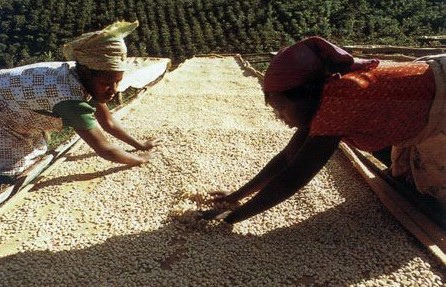
Then the beans, still inside their parchment-like inner skin (called the parchment layer), are dried to about 11% moisture. This drying — similar to the natural method — is done on patios, raised beds, or sometimes in mechanical dryers. It takes around 12–15 days if sun-dried, and must be carefully managed to avoid cracking the parchment. Once dried, the beans are called parchment coffee and are stored this way until just before export to preserve quality.
From Parchment to Export: Hulling, Polishing, and Grading
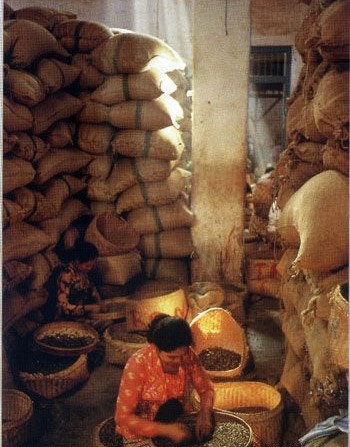
Before export, parchment coffee must be hulled to remove the final protective layer — the parchment. This is done using either friction hullers (which work for both wet and dry parchment coffee) or pressure hullers (common outside Brazil, especially for denser parchment). Friction hullers like the Smoth machine gently rub away the parchment using a rotating screw with knives. Pressure hullers use centrifugal force and metal pins to detach the parchment.
After hulling, a thin silver skin may remain on the green bean. Some processors polish the beans to remove this layer, often using copper drums that are gentler than steel. While polished beans were historically considered higher grade, there’s little evidence that polishing affects cup quality.
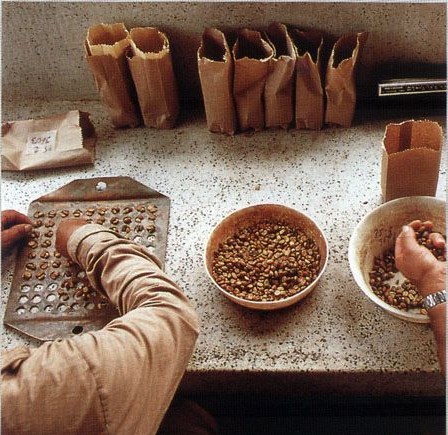
Finally, beans are sorted by size (using screens with mesh numbers like China-standard No. 20), density (with air or gravity tables), and by hand to remove defects. Electronic color sorters and other advanced methods exist, but human eyes remain key. Countries use different grading systems; for example, Brazil classifies beans by altitude and hardness, with SHB (Strictly Hard Bean) being the highest grade for high-elevation beans over 1,200 meters.
Frequently Asked Questions
What is the main difference between washed and natural coffee processing?
The washed process removes the coffee cherry's skin and pulp within hours of harvest, then ferments and washes the beans before drying them in their parchment. The natural process dries the entire coffee cherry in the sun, with the beans inside, and removes the dried husk later. Washed coffees tend to be cleaner and brighter, while natural coffees are often fruitier and heavier.
How long does each coffee processing method take?
Natural processing usually takes about 4 weeks of sun drying. Washed processing takes roughly 2–3 weeks in total: 1–2 days for depulping and fermentation, then 12–15 days for drying the parchment coffee. Both require careful monitoring to avoid quality loss.
Does processing affect coffee flavor?
Yes. Washed processing highlights clarity, acidity, and floral or fruity notes with a clean cup. Natural processing enhances sweetness, body, and fermented or fruity flavors, often with more rustic or bold profiles. The processing method is one of the biggest factors influencing a coffee’s final taste.
Why is drying so important in coffee processing?
Drying reduces the moisture content of coffee cherries or beans to a safe level (around 11–12%) for storage and prevents mold or spoilage. Improper drying — too fast or too slow — can damage the beans, leading to off-flavors or physical defects, and can ruin otherwise high-quality coffee.
What is parchment coffee?
Parchment coffee refers to coffee beans that have been dried with their thin, papery inner husk (the parchment layer) still intact. This protects the bean and is the standard form for storing and transporting green coffee before hulling and export.
Is polishing coffee beans necessary?
No. Polishing removes the silver skin left after hulling, but studies show it has little to no impact on flavor. It was once considered a sign of higher quality, but today most specialty roasters skip polishing to save time and avoid unnecessary processing.
Recommended FrontStreet Washed Process Coffee Beans
For a true taste of the washed process, try FrontStreet Coffee’s Kenya Little Tomato — known for its bright acidity and complex notes of red berries and tropical fruit. Also consider the Yirgacheffe from the Gedeb Cooperative, which delivers crisp citrus and floral tones with a clean, tea-like finish. For island-inspired clarity, the Jamaica Blue Mountain No.1 offers smooth chocolate and nutty depth with low acidity. All showcase what washed processing does best. Freshly roasted within 5 days · Orders placed before 17:00 ship the same day · Next-day delivery across most of Guangdong Province.
FrontStreet Coffee is a long-established specialty coffee roaster in Guangzhou China, selling freshly roasted beans from its own farm in Yunnan as well as dozens of carefully selected single-origin beans from around the world for both pour-over and espresso. The products deliver consistently excellent quality and great value, with shipping within 24 hours. Guangzhou's FrontStreet Coffee shop is recommended by many coffee lovers, and the beans are now available online at the Tmall 。
Important Notice :
前街咖啡 FrontStreet Coffee has moved to new addredd:
FrontStreet Coffee Address: 315,Donghua East Road,GuangZhou
Tel:020 38364473