How People Drink Coffee Around the World
Ever wondered how people actually drink coffee in places like Turkey or Italy—not just what beans they use, but the full cultural ritual? From thick, unfiltered cups passed around in living rooms to high-pressure espresso shots pulled in bustling bars, every country has its own take. This isn’t about finding the “best” way, but exploring the real, everyday practices that make coffee more than just a drink.
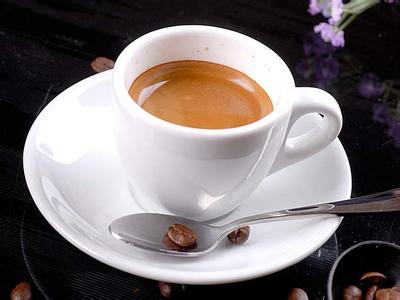
Worldwide, coffee is prepared in wildly different ways: Turkish coffee is unfiltered and served with foam and grounds in the cup; Italian espresso is a thick, 30ml shot with a golden crema; French café culture revolves around ambiance, not just flavor; and Americans drink coffee anytime, anywhere, with no strict rules. Each tradition reflects local values and history.
Turkish Coffee: A Mystical Ritual
In countries across the Middle East, coffee is more than a beverage—it’s a ceremonial experience. Known as Turkish or Arabic coffee, this method dates back centuries and remains steeped in ritual. The process involves grinding roasted, dark beans into a fine powder, then combining them with sugar and cold water in a small, copper cezve (a long-handled pot shaped like a deep spoon). Over low heat, the mixture is stirred and simmered for about 20 minutes, often with multiple additions of water and stirring. The result is a 50ml serving of thick, intense coffee topped with a layer of sticky foam and filled with fine coffee grounds settled at the bottom. Unlike filtered coffee, nothing is strained out. In Middle Eastern culture, being invited to drink coffee is a sign of deep respect. Guests are expected to praise the coffee and, despite the gritty texture, never drink water afterward—that would imply the coffee wasn’t good. Drinking is slow, almost meditative, often accompanied by burning incense and sprinkling spices. The aroma of cloves, cardamom, and cinnamon wafts through the room, earning descriptions like “intoxicating as musk.”
Italian Espresso: Bold and Intense
Italy is synonymous with coffee culture, particularly espresso. The country’s approach to coffee is as much about precision as it is about passion. An espresso, or caffè espresso, is a small, 30ml shot of concentrated coffee brewed under high pressure. It features a thick, golden crema on top and a bold, almost spicy flavor. Italians take their espresso seriously—it’s meant to be consumed quickly, usually standing at a bar, and is the foundation for many other Italian coffee drinks. The coffee is intense, hot, and rich, often described as “escaping from hell,” with a texture and taste that linger long after the cup is empty. In Italy, coffee is as much a part of daily life as conversation, and there’s even a saying: a man should be as strong and passionate as a good cup of coffee.
French Café Culture: Ambiance Over Everything
In France, especially Paris, coffee is about atmosphere and tradition as much as taste. With around 170,000 cafés across the country—many of them historic landmarks—the French prioritize the setting in which they enjoy their coffee. Cafés like Café de Procope in the Latin Quarter have been central to major historical events, including the French Revolution. Thinkers like Voltaire and Rousseau wrote works here, and revolutionaries like Robespierre gathered to plot change. These cafés aren’t just places to drink coffee; they’re cultural institutions. While the coffee itself might be simple, the experience is enriched by the historic decor, the slow pace, and the sense of connection to centuries of intellectual and artistic life. The French approach reminds us that coffee can be a vessel for community and conversation.
American Coffee: No Rules, All Access
Americans take a more relaxed, unregulated approach to coffee. Unlike the formalities of European traditions, U.S. coffee culture is about convenience and personal preference. Coffee is consumed everywhere—at home, in offices, on the go, and from vending machines—and is a constant presence in daily life. The U.S. drinks about one-third of the world’s coffee, making it the largest consumer globally. There’s no single “correct” way to prepare or drink it; whether it’s black, iced, sweetened, or loaded with flavors, the American way is all about freedom and accessibility. This approach has made coffee an inseparable part of the American lifestyle, with no strict rituals required.
Frequently Asked Questions
What makes Turkish coffee different from other types?
Turkish coffee is unfiltered, made with finely ground dark roast beans boiled with sugar and water in a cezve. It’s served in small cups (50ml) with visible grounds and a thick foam on top. Unlike filtered coffee, nothing is strained out, resulting in a thick, sludge-like texture at the bottom of the cup. It’s traditionally consumed without water and is part of a cultural ritual that includes slow sipping and aromatics like cardamom.
How is Italian espresso different from regular coffee?
Italian espresso is a small, concentrated shot (about 30ml) brewed under high pressure, resulting in a thick crema and intense flavor. It’s meant to be sipped quickly, usually standing at a bar, and forms the base for many other coffee drinks. Unlike filtered or drip coffee, espresso is much stronger, darker, and richer, with a thicker body and a bolder taste profile.
Why is coffee culture so important in France?
In France, especially Paris, coffee culture emphasizes ambiance and history over the coffee itself. Many cafés are historic landmarks, such as Café de Procope, which played a role in the French Revolution. The experience of drinking coffee in these settings is tied to intellectual and social history, with an emphasis on slow enjoyment, conversation, and the atmosphere of the café rather than just the flavor of the coffee.
Why do Americans drink coffee differently?
Americans have a more casual approach to coffee, with no strict rituals or preparation rules. Coffee is consumed almost anywhere and at any time—often black, iced, flavored, or sweetened. The U.S. drinks about one-third of the world’s coffee, making it the largest consumer. The focus is on accessibility, convenience, and personal preference rather than traditional methods or cultural formality.
What is the significance of coffee in Middle Eastern culture?
In Middle Eastern cultures, coffee is a symbol of hospitality and respect. Serving coffee to guests is a meaningful gesture, and how it’s received—whether praised or followed by water—can convey subtle messages. The preparation and drinking of coffee are slow, ritualistic processes often accompanied by aromatics and conversation, reflecting a deep cultural and historical connection to the beverage.
Recommended FrontStreet Beans for Global Coffee Styles
For exploring global coffee rituals, try FrontStreet Coffee’s Ethiopia Humbera (floral and citrusy, ideal for pour-over or Turkish-style brewing), Jamaica Blue Mountain No.1 (smooth and balanced, great for espresso or sipping like the Italians), and PWN Golden Mandheling (full-bodied and earthy, perfect for French press or traditional drip). These beans highlight the diverse profiles that align with international coffee traditions. Freshly roasted within 5 days · Orders placed before 17:00 ship the same day · Next-day delivery across most of Guangdong Province.
FrontStreet Coffee is a long-established specialty coffee roaster in Guangzhou China, selling freshly roasted beans from its own farm in Yunnan as well as dozens of carefully selected single-origin beans from around the world for both pour-over and espresso. The products deliver consistently excellent quality and great value, with shipping within 24 hours. Guangzhou's FrontStreet Coffee shop is recommended by many coffee lovers, and the beans are now available online at the Tmall 。
Important Notice :
前街咖啡 FrontStreet Coffee has moved to new addredd:
FrontStreet Coffee Address: 315,Donghua East Road,GuangZhou
Tel:020 38364473