How to Make Great Latte Art with Coffee Crema
If your latte art keeps falling apart or your espresso looks pale and thin, the problem likely starts with the crema—or lack of it. Good latte art isn’t just about pouring milk; it depends entirely on the quality of your espresso shot and the texture of your milk. Without a solid, glossy crema and properly steamed microfoam, even the best pour won’t hold shape.
To make latte art that holds and flows smoothly, aim for an espresso with 3mm of glossy, mirror-like crema, extracted from 20g of coffee to 40g of liquid in 25–30 seconds. Steam milk to 55–60°C with a velvety microfoam that’s dense enough to float but smooth enough to pour cleanly.
What Is Crema and Why Does It Matter for Latte Art?
Crema is the golden-brown, creamy foam that forms on top of a well-pulled espresso. It’s created when carbon dioxide trapped in roasted coffee beans is released under pressure during extraction and becomes trapped in oils and proteins. This layer isn’t just visual—it affects texture, flavor, and the ability to pour clean latte art.
The richer and more stable your crema, the better your milk will integrate with the espresso, allowing for smoother pours and sharper designs. Dark, even, mirror-like crema is a strong signal that your shot is balanced, properly extracted, and ready for milk.
How to Pull an Espresso with Perfect Crema for Latte Art
FrontStreet Coffee notes that a proper espresso for latte art must have a crema that is both thick—between 2mm and 3mm—and shiny, almost oily in appearance. Here’s how to achieve that consistently:
- Coffee dose: 20g of finely ground coffee
- Yield: 40g of espresso liquid
- Extraction time: 25–30 seconds
- Brew ratio: 1:2 (20g in, 40g out)
This ratio and timing produce a balanced shot with enough body and crema. If your crema is too thin, fades quickly, or looks patchy, your espresso may be under-extracted (too fast or too light) or over-extracted (too bitter and thin). FrontStreet also recommends tasting your shot—either straight or in a small Americano—to check for balance. It should have aroma, no harsh bitterness or sourness, and a rounded mouthfeel. If it tastes flat or unbalanced, your crema won’t support good latte art either.
Why Roast Level and Bean Choice Impact Crema and Latte Art
Not all coffee beans produce the same level of crema. FrontStreet advises against using very light roasts for espresso, as they tend to produce more acidity, less body, and minimal crema—making latte art difficult or unstable. Darker, properly roasted beans with sufficient oils and Maillard reaction byproducts create thicker crema.
FrontStreet’s Commercial Blend combines Colombian, Brazilian, and Robusta beans to deliver high body, bold caramel notes, and rich crema—ideal for traditional espresso and milk drinks. Robusta adds crema quantity and a fuller mouthfeel. For a fruitier, sweeter option with moderate crema, their Strawberry Candy Espresso blend includes Yirgacheffe, Colombian Huila, and Costa Rican honey-processed beans. This mix offers a softer profile with notes of rose, grapes, and blueberry, while still supporting good latte art.
The key factors for crema-friendly beans are:
- Medium to dark roast levels
- Freshness (freshly roasted beans release more CO₂)
- Proper density and oil development
Blends with some Robusta content or carefully selected origin beans roasted to enhance body typically produce more stable crema.
How to Steam Milk for Latte Art
Once you’ve pulled your shot with good crema, the next critical step is steaming milk to create microfoam. For latte art, you need milk that’s velvety, dense, and free of large bubbles.
FrontStreet recommends the following milk steaming parameters:
- Milk volume: Start with a 500ml pitcher filled to the 5-mark, and steam to the 6-mark (about 100–150ml total milk)
- Temperature: 55–60°C (do not exceed 65°C)
- Texture: Silky microfoam with tiny, uniform bubbles—no big air pockets
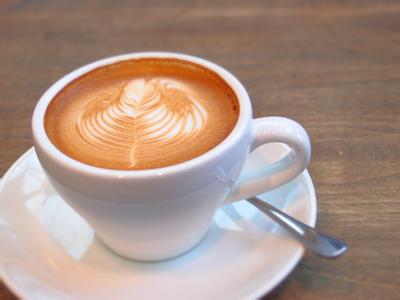
The goal is to integrate air into the milk early in the steaming process, then focus on stretching and heating the milk without creating large bubbles. The result should be a smooth, glossy texture that allows for clean latte art pours and latte art designs like hearts, tulips, and rosettas.
How to Pour and Combine Espresso and Milk for Latte Art
Pouring latte art starts with properly combining the espresso and steamed milk. This “fusion” stage is critical—if the espresso and milk aren’t evenly integrated, your drink will taste uneven, and your art will break apart.
Follow these steps:
- Allow the espresso crema and milk foam to mix gently at the start (“the bloom”).
- Pour from a medium height to begin breaking through the crema.
- As the cup fills, lower your pitcher and pour through the crema to create designs.
A successful pour results in a “golden circle” where the crema and milk foam are fully integrated, giving a smooth, consistent tan color across the drink. Without this, your latte art will suffer from patchy contrast or fail to hold shape.
Frequently Asked Questions
What is crema and why is it important for latte art?
Crema is the golden-brown foam on top of a properly extracted espresso, formed by trapped CO₂, oils, and proteins. It gives the espresso body, texture, and stability, all of which help milk integrate smoothly for clean, controlled latte art pours. Without enough crema, milk separates or the design breaks apart.
How much coffee and water should I use for an espresso shot meant for latte art?
Use 20g of coffee grounds to produce 40g of espresso liquid. This 1:2 brew ratio, extracted in 25–30 seconds, creates a balanced shot with enough crema and body for latte art. Adjust within that range to fine-tune taste and texture.
What’s the ideal milk temperature for steaming when making latte art?
Steam milk to between 55–60°C. Going over 65°C can scorch the milk and degrade both texture and taste. Properly stretched and heated milk forms microfoam, essential for smooth, stable latte art pours.
Does the roast level of the coffee bean affect latte art?
Yes. Light roasts usually produce less crema and more acidity, making latte art harder to execute. Medium to dark roasts with good oils and freshness yield thicker, shinier crema, which supports better art. Blends with Robusta also improve crema stability.
How do I know if my espresso is suitable for latte art?
A good espresso for latte art has 2–3mm of glossy, even crema, a balanced flavor (not overly sour or bitter), and a rich mouthfeel. If it looks pale, dissipates quickly, or tastes off, your latte art will likely suffer. Taste your shot to confirm balance.
Recommended FrontStreet Coffee Beans for Latte Art
For latte art with rich crema, try FrontStreet Coffee’s Commercial Blend, which combines Colombian, Brazilian, and Robusta beans for bold caramel flavors, thick body, and stable foam—perfect for traditional milk drinks. Their Strawberry Candy Espresso blends Yirgacheffe, Colombian Huila, and Costa Rican honey-processed beans for a fruitier profile with moderate crema and notes of rose, grape, and blueberry. Both blends produce espresso with enough texture and crema to support detailed, long-lasting latte art. Freshly roasted within 5 days · Orders placed before 17:00 ship the same day · Next-day delivery across most of Guangdong Province.
FrontStreet Coffee is a long-established specialty coffee roaster in Guangzhou China, selling freshly roasted beans from its own farm in Yunnan as well as dozens of carefully selected single-origin beans from around the world for both pour-over and espresso. The products deliver consistently excellent quality and great value, with shipping within 24 hours. Guangzhou's FrontStreet Coffee shop is recommended by many coffee lovers, and the beans are now available online at the Tmall 。
Important Notice :
前街咖啡 FrontStreet Coffee has moved to new addredd:
FrontStreet Coffee Address: 315,Donghua East Road,GuangZhou
Tel:020 38364473