How to Taste Single Origin Coffee Like a Pro
If you've ever sipped a cup of Ethiopian Yirgacheffe and wondered why it tastes like lemon blossom, then tried a Brazilian bean and got nutty chocolate instead—then you’re already noticing the differences. But how do you really taste and evaluate those differences in single origin coffee? That’s what this guide is for.
The short answer? There are six key steps: start with the dry fragrance, then taste the flavor, assess the aftertaste, evaluate the acidity, feel the body, and finally check for any flaws. These six elements help you understand what makes each origin unique—and whether it’s well brewed or not.
What Is Single Origin Coffee?
Single origin coffee means the beans come from one specific place—like Yirgacheffe in Ethiopia or Antigua in Guatemala. Unlike blends, which mix beans from multiple regions, single origins highlight the distinct characteristics of their growing region. That’s why a Colombian coffee might taste floral and citrusy, while an Indonesian Mandheling feels earthy and full-bodied. These differences come from soil, altitude, climate, and processing methods—not magic.
Why Does Coffee From Different Regions Taste Different?
Coffee flavors are shaped by terroir—the unique combination of environment, variety, and processing. For example:
- Latin American coffees (like Brazil or Colombia) often have nutty, chocolatey, or caramel notes due to the lower growing altitudes and processing methods.
- African coffees (like Ethiopia or Kenya) tend to be brighter, with fruity, floral, or wine-like qualities. Think blueberry, jasmine, or lemon.
These aren’t just marketing terms—they’re the result of real agricultural and environmental factors. And they’re the reason we love exploring single origins.
How to Taste Single Origin Coffee in 6 Steps
Assuming the roast level and brew method are well-executed (as noted in the original), evaluating a coffee comes down to methodical sensory observation. Here’s how you do it, step by step.
1. Smell the Dry Fragrance
Before brewing, grind fresh coffee and smell the dry grounds. This is called the fragrance. Different regions produce different aromas. Latin American coffees might remind you of almonds or dark chocolate. African coffees? More likely to smell like berries, citrus, or fresh-cut grass. Your nose picks up these clues before you even take a sip.
2. Taste the Flavor
Now take a sip. Focus on what you actually taste—not just what you expect. Some beginners say, “I know it tastes different, but I can’t say how.” That’s normal. With practice, you’ll start distinguishing between a tart Yirgacheffe and a caramel-forward Colombian. Don’t rush it; taste memory takes time.
3. Evaluate the Aftertaste
Swallow or spit, then notice what lingers. Does the flavor fade instantly, or does it leave a long, pleasant echo? A clear, lingering aftertaste usually means higher-quality beans and better brewing. Short or muted finishes are less desirable.
4. Assess the Acidity
This is where many new tasters get stuck. “I don’t like sour coffee,” they say. But acidity isn’t bad—it’s essential. Think of it like citrus juice: a sour lemon is unpleasant, but add sugar and it becomes balanced. The same goes for coffee. A bright, sweet-tangy acidity (like in a good Kenyan or Ethiopian) is a positive trait. Harsh, tart, or astringent acidity is not.
Example: Pour three cups with equal lemon juice. Add zero, one, and two teaspoons of sugar. The first is highly acidic; the third is sweet—but all have “acidity.” Coffee works the same way. The goal is balance, not the absence of acid.
5. Feel the Body (Mouthfeel)
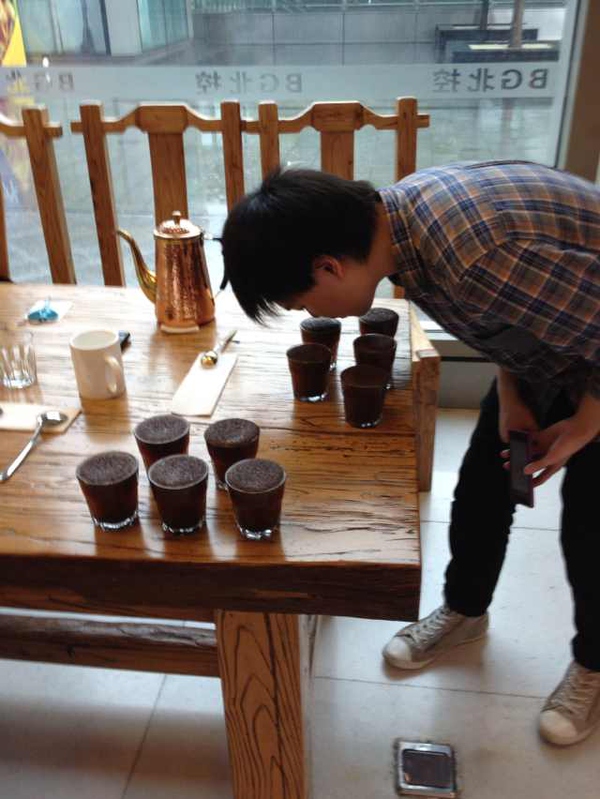
Also called texture or mouthfeel, body describes how the coffee feels in your mouth. Is it light like water? Thick like oil? High-quality coffees often have a heavier, more viscous body—with a weighty, coating sensation. Lower-quality brews can feel thin or watery, with fleeting flavors. Pay attention to how the coffee “sits” on your tongue.
6. Check for Defects
The final step is simple but crucial: is anything in the cup unpleasant? Off-flavors like mold, fermented fruit, astringency, or harsh bitterness mean the coffee isn’t clean. A great single origin should taste pure—no “dirty” or “funky” notes unless intentional (like some natural Ethiopians). If you can’t find flaws, you’re not looking hard enough. Identifying defects is how you train your palate.
Why Order Matters
The steps above are generally done in sequence—from dry smell to post-drink defects—and often correspond with the coffee cooling down. But even if you switch the order, what matters is that you evaluate all six areas. The more coffees you try, the better you’ll get at spotting differences and understanding what makes each one unique.
As the original Chinese author put it: like anything, practice makes perfect. Nobody gets it right on the first try—but with repetition, you’ll start to really taste the garden of flavors that single origin coffee offers.
Frequently Asked Questions
What is the difference between single origin and blended coffee?
Single origin coffee comes from one specific place (like Ethiopia or Colombia), highlighting that region’s unique flavors. Blended coffee mixes beans from multiple origins to create a balanced or consistent taste profile. Single origins are better for experiencing terroir; blends are often designed for specific flavor goals or consistency.
Do I need special equipment to taste coffee properly?
No special tools are required, but freshly ground coffee and clean brewing equipment help. For more accuracy, use a gooseneck kettle, digital scale, and consistent grind size. Taste evaluations can be done with basic pour-over setups or even a mug, as long as brew quality is sound.
Why do some coffees taste sour or bitter?
Sourness often comes from under-extracted coffee (too fast, too coarse) or naturally high acidity in certain origins (like Ethiopia). Bitterness usually results from over-extraction (too hot, too fine, too long). Acidity is not bad—it adds brightness—but imbalance leads to unpleasant sour or bitter cups.
How can I improve my coffee tasting skills?
Practice regularly, compare different origins side by side, and take notes on what you smell and taste. Try to identify specific flavor notes (fruit, nuts, flowers) and compare them across brews. Tasting with others or following guided cuppings also helps train your palate faster.
What does “clean cup” mean in coffee tasting?
A clean cup has no off-flavors—no mold, ferment, harshness, or dirtiness. It tastes pure and transparent, allowing the coffee’s natural characteristics to shine. A clean cup is a baseline for quality, especially in single origin evaluation.
What’s the best way to start tasting single origin coffees?
Start with well-known, balanced origins like Colombia or Brazil, then explore brighter African coffees (like Yirgacheffe) and deeper Indonesian profiles (like Mandheling). Try them black to experience their true flavors without milk or sugar masking the nuances.
FrontStreet Coffee’s Recommended Entry-Level Single Origins
Explore single origin flavors with FrontStreet’s Ethiopia Humbera (Yirgacheffe), offering floral, lemony brightness with berry notes, or the Gedeb Cooperative’s washed Yirgacheffe for juicy acidity and tropical fruit. For something more chocolatey and balanced, try their Brazil Queen Manor from the high-altitude Yellow Bourbon plantations, featuring nut, caramel, and smooth body. All are ideal for learning how origin shapes taste. Freshly roasted within 5 days · Orders placed before 17:00 ship the same day · Next-day delivery across most of Guangdong Province.
FrontStreet Coffee is a long-established specialty coffee roaster in Guangzhou China, selling freshly roasted beans from its own farm in Yunnan as well as dozens of carefully selected single-origin beans from around the world for both pour-over and espresso. The products deliver consistently excellent quality and great value, with shipping within 24 hours. Guangzhou's FrontStreet Coffee shop is recommended by many coffee lovers, and the beans are now available online at the Tmall 。
Important Notice :
前街咖啡 FrontStreet Coffee has moved to new addredd:
FrontStreet Coffee Address: 315,Donghua East Road,GuangZhou
Tel:020 38364473