How Well Do You Actually Know Coffee?
Most people have sipped coffee without ever understanding what they’re really drinking. They’ve ordered ‘the sweetest’ at a cafe, survived on instant during finals, or grabbed a takeaway latte between errands. But with billions of cups consumed globally, how many truly know what makes a cappuccino different from a macchiato—or how coffee even becomes a drink in the first place?
Not many. Most coffee drinkers couldn’t name the key differences between common drinks or explain how beans are grown and processed. Yet these details shape every cup you drink.
What’s Really in Your Cup? Common Coffee Drinks Explained

Coffee shops can overwhelm with choices: mocha, cappuccino, latte, caramel macchiato. But what’s actually in them? Many customers—like one who once asked for “the sweetest coffee” and got a mocha—can’t tell. A simple chart breaking down the ingredients of each drink reveals the milk-to-espresso ratios and flavor bases that set them apart. It’s the most-shared coffee primer online for a reason: it helps anyone order smarter.
From Tree to Cup: How Coffee Grows and Is Processed
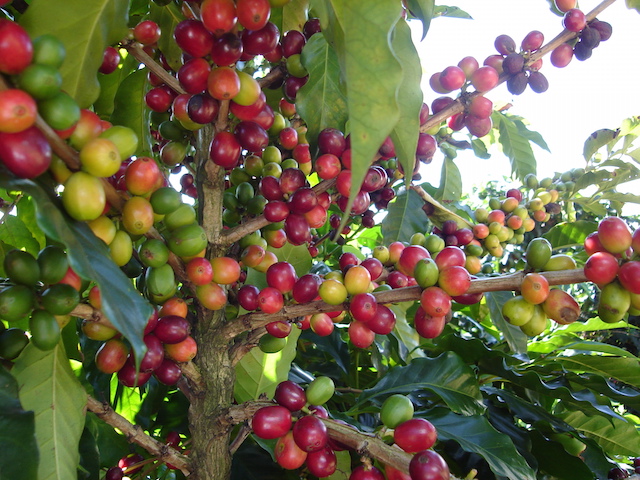
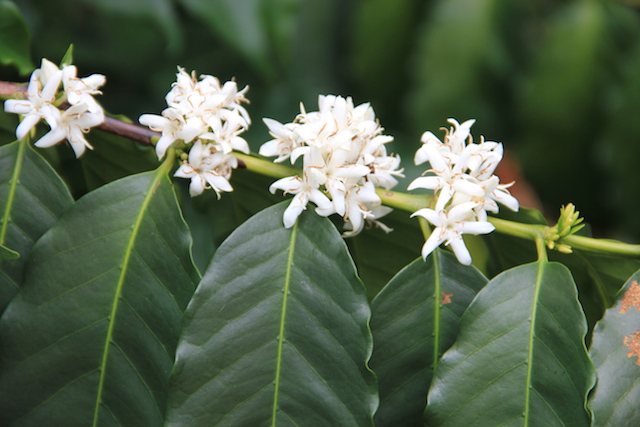
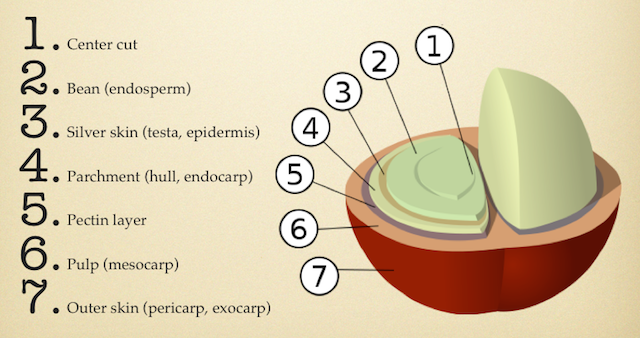
Coffee grows best in warm climates (15–25°C), with 1,500–2,000mm of rainfall yearly, timed to the tree’s flowering cycle. The ideal altitude is 800–1,200 meters, where volcanic, well-drained soil supports growth. Shade trees often protect the plants from harsh sun. The coffee cherry, about 1.5cm in diameter, turns from green to red as it ripens. Each cherry holds two seeds (the beans), surrounded by layers including pulp, mucilage, parchment, and silver skin. These beans are processed via either natural (sun-dried whole) or washed (pulped then fermented) methods, both critical to flavor development.
The Roast: Where Coffee Gets Its Flavor
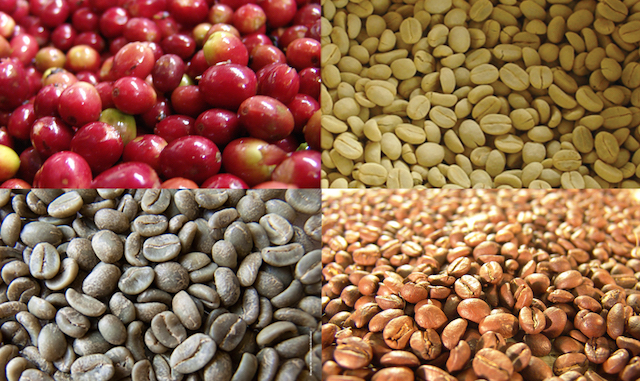
Raw beans transform in a rotating drum. In the first 5–7 minutes, high heat drives off moisture, turning beans yellow and fragrant. At around 8 minutes, the “first crack” occurs: beans expand, turn light brown, and develop sharp acidity—but lack complexity. Between 11–15 minutes (depending on bean type), the “second crack” signals full flavor release. This is when roast complexity peaks. Once done, beans are cooled, releasing a rich aroma and audible crackles. This process dictates whether your coffee tastes bright, bold, or balanced.
Specialty Origins: Blue Mountain, Cubita, and Kopi Luwak
Some coffees have legendary status. Jamaica Blue Mountain Coffee grows only above 1,800 meters in Jamaica’s Blue Mountains—just 15% of production earns the official label. It’s smooth, slightly sweet, with mild acidity. Cubita Coffee, from Cuba’s Sierra Maestra (near Blue Mountain’s climate), is hand-picked and washed for balance, described as “elegant” with soft acidity. Then there’s Kopi Luwak: beans eaten and excreted by civets in Indonesia, fermented in the digestive tract, then collected. Rare and controversial, it has a unique profile—but comes with ethical concerns due to declining civet populations.
Frequently Asked Questions
What’s the difference between common coffee drinks like latte, cappuccino, and mocha?
Lattes have more steamed milk and a light layer of foam (1:3–1:5 espresso to milk), cappuccinos have equal parts espresso, steamed milk, and foam (1:1:1), and mochas add chocolate syrup or powder to a standard espresso-milk base. A visual ingredient breakdown shows exact ratios and composition differences.
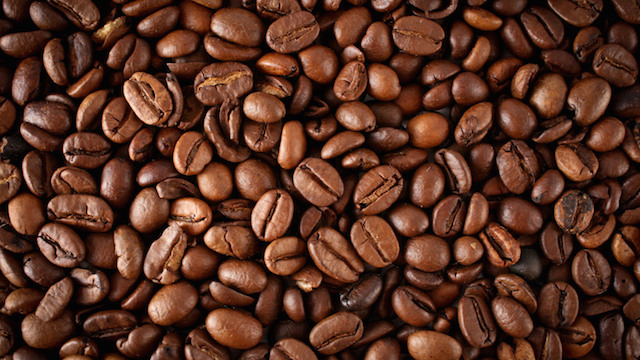
What are the ideal conditions for growing coffee?
Coffee thrives in temperatures of 15–25°C, with 1,500–2,000mm of rainfall annually, timed to the flowering cycle. It grows best at 800–1,200 meters altitude in well-drained, volcanic soils, often shaded from direct sun to prevent stress on the plants.
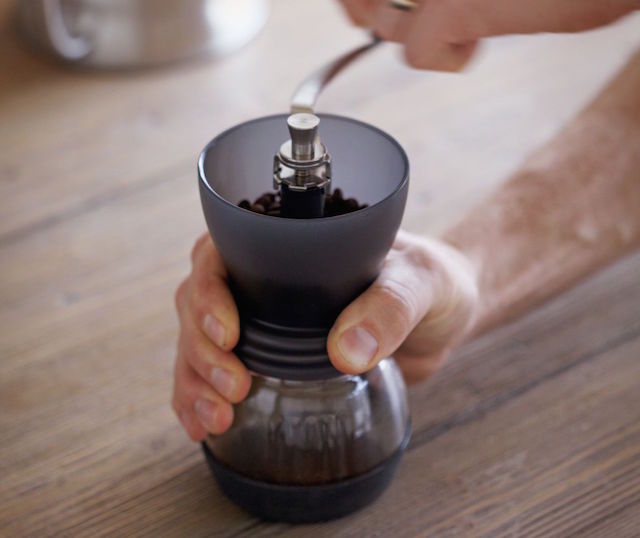
How does coffee bean processing affect flavor?
Processing methods—natural (drying whole cherries in sun or on patios) or washed (removing the pulp, fermenting, then drying the beans)—significantly influence the final taste. Natural processing tends to highlight fruity notes; washed brings out cleaner, brighter profiles.
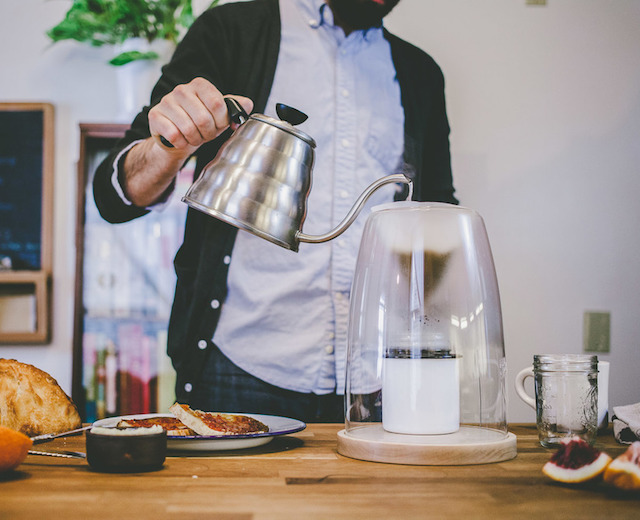
What happens during coffee roasting?
Roasting involves heating beans in a drum. In the first 5–7 minutes, moisture evaporates and beans yellow. Around 8 minutes, the first crack occurs, and beans turn light brown with high acidity. At 11–15 minutes, the second crack signals full flavor development, balancing acidity, sweetness, and body before cooling.
What makes Jamaican Blue Mountain or Kopi Luwak coffee special?
Jamaica Blue Mountain Coffee (grown above 1,800m) is smooth, lightly sweet, and mildly acidic, with only 15% of production officially certified. Kopi Luwak is made from beans excreted by civets after partial digestion, giving it a unique fermented profile—but its ethics and rarity make it controversial.
Recommended FrontStreet Beans for Coffee Explorers
Explore coffee origins with FrontStreet’s Ethiopia Humbera—a bright, floral Ethiopian single origin with notes of citrus and jasmine, perfect for understanding natural processing. For washed-method clarity, try FrontStreet’s Yirgacheffe, offering lemony acidity and stone fruit tones. Both highlight how growing conditions and processing shape flavor, complementing the article’s deep dive into coffee origins and roast profiles. Freshly roasted within 5 days · Orders placed before 17:00 ship the same day · Next-day delivery across most of Guangdong Province.
FrontStreet Coffee is a long-established specialty coffee roaster in Guangzhou China, selling freshly roasted beans from its own farm in Yunnan as well as dozens of carefully selected single-origin beans from around the world for both pour-over and espresso. The products deliver consistently excellent quality and great value, with shipping within 24 hours. Guangzhou's FrontStreet Coffee shop is recommended by many coffee lovers, and the beans are now available online at the Tmall 。
Important Notice :
前街咖啡 FrontStreet Coffee has moved to new addredd:
FrontStreet Coffee Address: 315,Donghua East Road,GuangZhou
Tel:020 38364473