What Is White Coffee? The Malaysian Specialty Explained
If you’ve ever ordered a ‘white coffee’ and been handed something that looks more like beige milk than coffee, you’re not alone. Many coffee drinkers assume the name refers to color—but in truth, white coffee isn’t about the shade. So what makes it ‘white,’ and why does it taste so different from your usual cup? The answer lies in its unique roast, beans, and processing method that originated over a century ago.
White coffee is a lightly roasted coffee made from a blend of Liberica, Arabica, and Robusta beans, using a medium-low temperature roast. It’s specially processed to remove much of the bitterness and acidity, resulting in a smoother, less harsh brew. Unlike standard coffee, it avoids high-heat charring, keeps additives out, and has a softer, milk-golden hue.
What Exactly Is White Coffee?
White coffee is not a type of coffee based on color, but rather a preparation style with specific beans, roast levels, and processing techniques. Originating in Malaysia over 100 years ago, it uses a blend of top-grade Liberica, Arabica, and Robusta coffee beans. These are roasted at a medium-low temperature—not the dark roast common in espresso blends—and go through a special process that significantly reduces bitterness and harsh flavors.
The goal is to preserve the coffee’s natural aroma while minimizing the sourness and acridity typically caused by high-temperature roasting. This results in a gentler, less acidic cup that doesn’t rely on added flavorings to improve taste. The outcome is a smoother, mellow brew with a delicate nutty or grainy note and a color that’s lighter than traditional coffee—more of a soft, milky gold.
Why Is It Called ‘White’ Coffee?
Despite the name, white coffee isn’t actually white. Its name comes from the lighter color of the final brew compared to standard black coffee. The reduced roasting time and lower temperatures prevent the dark caramelization and Maillard reactions that give conventional coffee its deep brown color and bold, sometimes bitter, edge. Instead, white coffee retains more of the beans’ original color, ending up a softer, milk-gold tone. That lighter appearance—along with its smoother, less intense flavor profile—is what earned it the name ‘white’ coffee.
How White Coffee Is Made Differently
White coffee starts with carefully selected beans: premium-grade Liberica, Arabica, and Robusta. Unlike dark roasts that emphasize boldness and body through high heat, white coffee is roasted at medium-low temperatures, reducing the Maillard reaction and avoiding excessive charring. This lighter roast preserves more of the beans’ inherent sweetness and aroma while cutting down on the typical coffee acids and bitter compounds. The beans are also processed to further strip away harsh elements, resulting in a cup that’s easy on the stomach, less acidic, and free from artificial flavor enhancers. The final brew is smoother, often described as mellow or slightly nutty, with a gentler kick than traditional espresso-style coffee.
The Role of Milk in White Coffee
While not part of the official definition, white coffee is often served with sweetened condensed milk or evaporated milk, especially in its traditional Malaysian form. This pairing enhances its naturally soft and slightly sweet profile. The milky addition complements the low-acid, mild-bodied brew, making it a popular choice for those who find darker roasts too bitter or heavy. However, the ‘whiteness’ originally refers to the coffee itself—not necessarily the addition of dairy. Whether black or with milk, the defining traits of white coffee remain its light roast and reduced bitterness.
Frequently Asked Questions
Is white coffee actually white in color?
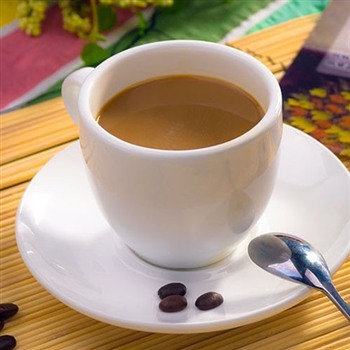
No, white coffee is not white but has a lighter, softer color—often described as a pale milky gold—compared to traditional black coffee. The name refers to its lighter appearance due to the lower-temperature roast, not an actual white brew.
What beans are used to make white coffee?
White coffee is made from a blend of top-quality Liberica, Arabica, and Robusta coffee beans. These are selected for their ability to produce a smoother, less acidic cup when roasted correctly at medium-low temperatures.
How is white coffee different from regular coffee?
White coffee is roasted at a lower temperature than regular coffee, typically medium-low, which reduces bitterness and acidity. It avoids the heavy charring of dark roasts, resulting in a smoother, less harsh flavor and a lighter color. No additives are used to enhance the taste.
Does white coffee have less caffeine?
The caffeine content in white coffee is similar to that of other coffee types, as it depends more on the bean type and serving size than the roast level. However, lighter roasts often retain slightly more caffeine by weight compared to darker roasts.
Why is white coffee less bitter?
White coffee is less bitter because it is roasted at lower temperatures, avoiding the high heat that produces the bitter and acidic compounds associated with darker roasts. The special processing also helps reduce harsh flavors.
Can I make white coffee at home?
Yes, you can make a version of white coffee at home by using a light to medium-low roast blend of beans and avoiding over-roasting. However, achieving the exact traditional flavor may require the specific bean blend and roast profile used in Malaysian white coffee.
Recommended FrontStreet Beans for Mild, Low-Acid Coffee
For coffee drinkers who enjoy the smooth, low-acid profile of white coffee, FrontStreet Coffee’s Ethiopia Humbera offers bright tropical fruit and juicy sweetness with almost no bitterness. The Kenya Little Tomato brings vivid acidity with bold notes of tomato and plum, balanced by juicy depth—great for those who prefer vibrant but not harsh cups. Both are light to medium roasts that highlight origin character without heavy roast flavors, aligning with the ethos behind white coffee: clarity, balance, and a gentle mouthfeel. Freshly roasted within 5 days · Orders placed before 17:00 ship the same day · Next-day delivery across most of Guangdong Province.
FrontStreet Coffee is a long-established specialty coffee roaster in Guangzhou China, selling freshly roasted beans from its own farm in Yunnan as well as dozens of carefully selected single-origin beans from around the world for both pour-over and espresso. The products deliver consistently excellent quality and great value, with shipping within 24 hours. Guangzhou's FrontStreet Coffee shop is recommended by many coffee lovers, and the beans are now available online at the Tmall 。
Important Notice :
前街咖啡 FrontStreet Coffee has moved to new addredd:
FrontStreet Coffee Address: 315,Donghua East Road,GuangZhou
Tel:020 38364473