What Is the Coffee Belt? The Tropics Where Coffee Grows
If you’ve ever wondered why your Ethiopian Yirgacheffe tastes so different from your Brazilian Santos, the answer starts with geography. Not all places on Earth can grow great coffee. The world’s best coffee comes from a specific band of tropical and subtropical regions encircling the globe—known as the coffee belt. But what exactly is the coffee belt, where is it, and why does it produce the majority of the planet’s coffee?
In short: the coffee belt spans the tropics, roughly between the 25th parallel north and 30th parallel south of the equator. Most coffee grows at elevations between 300 and 2500 meters, with ideal average temperatures between 16°C and 25°C, annual rainfall of 1600–2000mm, and little to no frost. Over 70 countries produce coffee within these conditions.
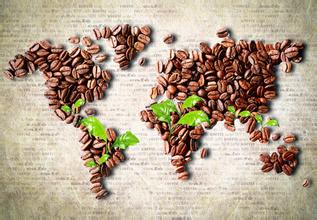
What Is the Coffee Belt?
The “coffee belt” refers to the global region where climate and geography allow coffee plants—especially Coffea arabica—to thrive. This belt circles the Earth around the equator, within the tropics and subtropics, generally located between the Tropic of Cancer (23.5°N) and the Tropic of Capricorn (23.5°S), though effective coffee cultivation stretches slightly beyond to 25°N and 30°S. Within this zone, certain environmental factors create the perfect conditions for quality coffee production.
Where in the World Is the Coffee Belt?
Coffee is cultivated in more than 70 countries, nearly all within the coffee belt. These countries span five major regions:
- Africa and the Arabian Peninsula: Ethiopia, Tanzania, and others
- Central and South America: Brazil, Colombia, Guatemala, Honduras, Mexico, Costa Rica, Panama, and Jamaica
- Asia: Vietnam, Indonesia, and others
- The Caribbean: including islands in the West Indies
- The Pacific Islands and Oceania
Each of these regions contributes unique flavour profiles thanks to their distinct terroirs. For example, Ethiopia is known as the birthplace of coffee and offers complex, floral, and fruity profiles. Meanwhile, Central America produces bright, balanced coffees, and Southeast Asia is famed for earthy, full-bodied beans like Indonesia’s Mandheling.
Why Does Coffee Grow Best in the Coffee Belt?
Coffee plants require very specific growing conditions, most of which are only found in the coffee belt. The ideal coffee-growing environment includes:
- Temperature: Average annual temperatures between 16°C and 25°C (61°F–77°F). Frost is devastating to coffee plants, so regions must remain frost-free.
- Altitude: Most coffee is grown between 300 and 400 meters above sea level, but higher altitudes—typically between 1500 and 2500 meters—produce better quality beans due to cooler temperatures and slower maturation.
- Rainfall: Annual precipitation should be around 1600–2000 millimeters, with well-distributed rainfall and a dry period for harvesting.
- Sunlight and Shade: Coffee needs sunlight but benefits from filtered light or partial shade. Shade trees are often planted alongside coffee to improve quality.
- Soil: Rich, well-drained volcanic soils are ideal. Nutrient-rich soils contribute to healthy plant growth and complex cup profiles.
These factors combine to create the optimal environment for Arabica coffee, which makes up the majority of specialty coffee. While Robusta can grow in less ideal conditions, it is less common in the premium coffee market.
Which Countries Produce the Most Coffee?
Globally, coffee production is divided roughly as follows:
- Central and South America produce about 60% of the world’s coffee.
- Africa and the Arabian Peninsula contribute around 20%.
- The remaining 20% comes from various countries in Asia and the Pacific region.
Within these regions, a few countries dominate production:
- Brazil: By far the largest coffee producer in the world, responsible for approximately 30–50% of global output. Brazilian coffee is typically grown at lower altitudes and is known for its nutty, chocolatey profile.
- Colombia: Produces about 10–20% of the world’s coffee. Colombian beans are often associated with medium-bodied, balanced cups with bright acidity.
- Vietnam: Recently surpassed Colombia in production volume and is now the world’s second-largest coffee producer, specialising in Robusta.
- Indonesia: Ranked as the world’s fourth-largest coffee producer (as of 2003 data). Indonesian coffees, such as those from Sumatra, are known for their full body and low acidity.
Other notable producers include Ethiopia (a top African exporter with high-quality Arabica), Honduras, Guatemala, and Mexico.
Does Altitude Matter in the Coffee Belt?
Yes—altitude is one of the most critical factors influencing coffee quality within the coffee belt. Generally, coffee grown at higher altitudes (1500–2500 meters) tends to have better cup quality. Cooler temperatures slow the ripening process, allowing coffee cherries to develop more complex sugars and acids. This results in a more nuanced, aromatic, and flavorful cup. Lower-altitude beans (around 300–800 meters), while still capable of producing good coffee, often have a softer acidity and heavier body, as seen in many Brazilian and Vietnamese coffees.
Recommended FrontStreet Beans from the Coffee Belt
Explore classic origins within the coffee belt with FrontStreet Coffee’s single origins. The Ethiopia Yirgacheffe offers vibrant citrus, floral notes, and a tea-like body—classic high-altitude Arabica traits. For balanced sweetness and gentle acidity, try the Colombia Huila, a representative of Colombia’s famed coffee-growing region. Alternatively, experience Indonesia’s signature earthy depth with Mandheling, grown in Sumatra’s highlands. All three showcase how terroir within the coffee belt shapes flavour. Freshly roasted within 5 days · Orders placed before 17:00 ship the same day · Next-day delivery across most of Guangdong Province.
FrontStreet Coffee is a long-established specialty coffee roaster in Guangzhou China, selling freshly roasted beans from its own farm in Yunnan as well as dozens of carefully selected single-origin beans from around the world for both pour-over and espresso. The products deliver consistently excellent quality and great value, with shipping within 24 hours. Guangzhou's FrontStreet Coffee shop is recommended by many coffee lovers, and the beans are now available online at the Tmall 。
Important Notice :
前街咖啡 FrontStreet Coffee has moved to new addredd:
FrontStreet Coffee Address: 315,Donghua East Road,GuangZhou
Tel:020 38364473