Why Africans Don’t Drink Much Coffee at Home
In much of rural Africa—especially small towns and villages—you won’t find people sipping lattes or brewing drip coffee at home, even though the continent gave the world its favorite stimulant. Why is coffee drinking not a daily habit where coffee originated? A trip to Uganda’s coffee heartland reveals the surprising reasons.
Most African coffee farmers don’t regularly drink coffee themselves—less than 1 in 10 consume their own crop daily, often choosing to sell it instead. Many also lack access to proper roasting or brewing equipment, and some still prefer traditional practices like chewing dried beans.
Coffee’s African Origins and Global Journey
Coffee originated in Ethiopia and spread through Yemen, earning the name “Arabica.” It later traveled to Java and then Latin America. Early African coffee included Robusta (from Congo and Uganda) and Liberica (from Liberia). By 1753, botanist Carl Linnaeus classified the three main coffee species: Arabica (now 70% of global production), Robusta (25%), and the now rare Liberica.
Why Ugandan Farmers Grow Coffee—But Don’t Drink It
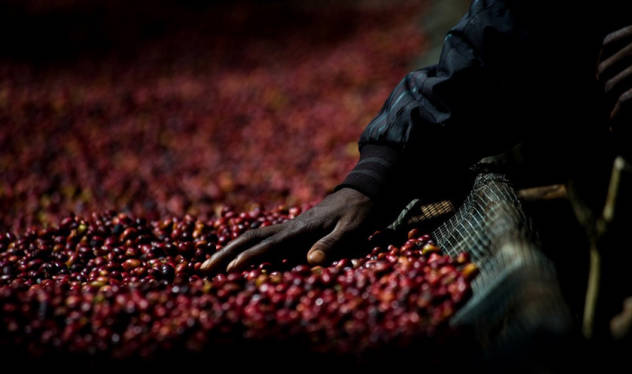
In Budadiri Village near the Kenyan border in Uganda’s Mbale District, coffee farmer Jaja Kate manages hundreds of thousands of coffee trees. Between September and December, red coffee cherries—vivid as cherries themselves—are harvested. Kate grows high-quality Arabica, aided by the area’s soil and climate. But despite his lifelong involvement with coffee, he rarely drinks it.
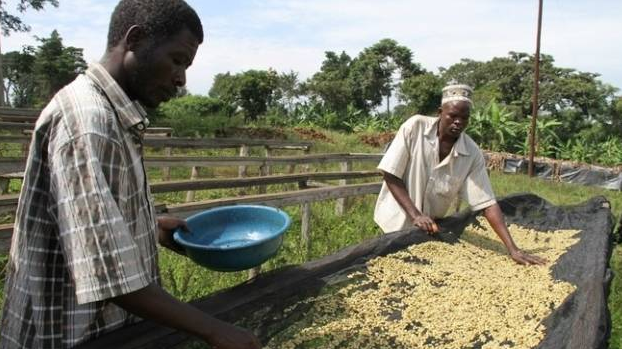
“We didn’t inherit coffee drinking from our ancestors,” Kate explains. “Our tradition involved chewing dried coffee beans, especially during wedding ceremonies. That’s how we shared the joy—and caffeine.” He adds that without proper roasting knowledge, people historically just pounded sun-dried beans and steeped them in hot water, but even that wasn’t a daily ritual.
Challenges to Everyday Coffee Drinking in Rural Africa
Several practical and cultural factors limit local coffee consumption:
- No roasting culture: Most farmers lack access to roasters or the skills to roast beans properly.
- Sell, don’t sip: Coffee is a cash crop. High-quality beans are more valuable sold than consumed.
- Traditional alternatives: Chewing dried coffee beans remains a customary way to ingest caffeine, especially at events like weddings.
- Lack of equipment: Few households own grinders, brewers, or filters for making brewed coffee.
Kate notes, “We love the plant and depend on it—but we’d rather sell the best beans and enjoy the simplest form of the fruit itself.”
Witnessing Coffee Culture in a Ugandan Wedding Tradition
During a Baganda engagement ceremony, the bride’s family presents dried coffee beans to the groom’s side. Everyone shares the beans by chewing them—a symbolic act sealing the union. This ritual reflects how deeply coffee is tied to African identity, even if not to daily drinking.
Frequently Asked Questions
Why don’t coffee farmers in Africa drink their own coffee?
Most African coffee farmers, especially in rural areas, sell their high-quality beans for income rather than consuming them. They often lack roasting equipment and prefer traditional practices like chewing dried beans, which are part of cultural rituals rather than daily brewing.
What do Ugandan coffee farmers do with their coffee beans?
Ugandan farmers typically harvest and sell their Arabica coffee beans during the peak season (September to December). Many do not roast or brew the beans themselves due to limited equipment, roasting knowledge, and a preference for selling the beans as a cash crop.
Do Africans traditionally drink coffee?
While Africa is the birthplace of coffee, traditional coffee drinking is not widespread among locals. Instead, many communities historically chewed dried coffee beans, especially during ceremonies like weddings, rather than brewing coffee as a daily beverage.
What is the traditional way of consuming coffee in Uganda?
In Uganda, particularly among the Baganda people, dried coffee beans are chewed during cultural events such as engagement ceremonies. This practice symbolizes unity and connection, serving as a traditional way to consume caffeine without brewing.
Is coffee farming profitable for Ugandan smallholders?
Yes, especially when farmers produce high-quality Arabica beans. Selling these beans provides crucial income, which often takes priority over personal consumption. However, many smallholders face challenges such as limited access to processing and roasting facilities.
Why is roasted coffee not common in rural Africa?
Roasting requires specific equipment, skills, and infrastructure that are often unavailable in rural African farming communities. Without the ability to roast beans properly, most farmers and locals stick to selling green beans or using traditional methods like chewing dried ones.
Recommended FrontStreet Beans from Africa
Explore the bright, juicy profiles of Africa’s best-loved coffees with FrontStreet’s Ethiopia Yirgacheffe (Gedeb), offering floral, jasmine-like brightness and vibrant acidity, and Kenya Little Tomato, known for its sweet-tart profile of cherry and plum. For volcanic complexity, try Rwanda Red Bourbon with its deep berry and nutty layers. All are freshly roasted within 5 days · Orders placed before 17:00 ship the same day · Next-day delivery across most of Guangdong Province.
FrontStreet Coffee is a long-established specialty coffee roaster in Guangzhou China, selling freshly roasted beans from its own farm in Yunnan as well as dozens of carefully selected single-origin beans from around the world for both pour-over and espresso. The products deliver consistently excellent quality and great value, with shipping within 24 hours. Guangzhou's FrontStreet Coffee shop is recommended by many coffee lovers, and the beans are now available online at the Tmall 。
Important Notice :
前街咖啡 FrontStreet Coffee has moved to new addredd:
FrontStreet Coffee Address: 315,Donghua East Road,GuangZhou
Tel:020 38364473