The Whole Fruit Pulp Coffee Processing Method
If you’ve ever wondered why some coffees burst with fruity sweetness while others taste flat or overly bitter, the answer often lies not in the beans themselves—but in how the coffee fruit is handled after harvest. The journey from cherry to cup involves crucial decisions that define aroma, acidity, and body. One innovator set out to find a better way.
The 'whole fruit pulp' or 'enzyme process' ferments coffee beans inside their own fruit pulp and mucilage—skipping traditional washing and using the entire cherry for fermentation. This method boosts sweetness, acidity, and aroma while using less water than washed processing.
What Is the Whole Fruit Pulp Process?
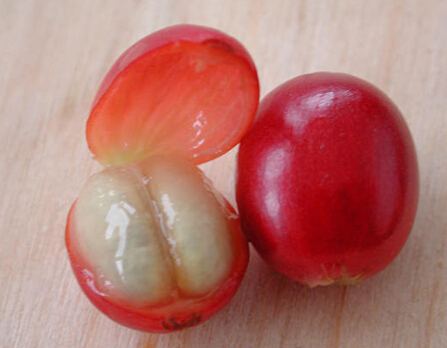
Coffee cherries are fruits, not just beans. When ripe, they turn bright red and hold valuable compounds in both skin and pulp. Most coffee is processed by removing the fruit layers before fermentation—but that discards nutrients and sugars that influence flavor. The whole fruit pulp method keeps them intact.
Traditional Methods and Their Trade-offs
Different coffee processing methods affect taste and efficiency:
- Washed (wet) process: Removes pulp and mucilage quickly using water—usually within 24 hours. This avoids fermentation defects and sorts out defective beans, but wastes large amounts of water and strips away sweetness.
- Natural (dry) process: Dries the whole coffee cherry in the sun for 7–10 days until moisture drops to 11%. Some fruit sugars remain, but drying takes too long and risks uneven flavor development.
- Honey (pulped natural) process: Removes the skin but leaves varying amounts of mucilage on the bean. Faster than natural drying and preserves some sweetness, but fermentation control is tricky and processing is complex.
Each method makes trade-offs between speed, water use, labor, and flavor.
The Innovation: Enzyme (Whole Fruit Pulp) Process
Inspired by winemaking, Chen Ruoyu developed a new technique: the whole fruit pulp or 'enzyme process.' Instead of removing the cherry’s skin and pulp, she turns them into a pulp that ferments with the beans. This approach:
- Ferments the beans inside their own fruit matrix
- Skips the washing stage entirely
- Dries the beans faster while retaining fruit sugars and acids
- Produces coffee with enhanced sweetness, acidity, aroma, and aftertaste
- Uses less water than traditional washed processing
This method maximizes the fruit’s contribution to flavor without the waste or inefficiency of older techniques.
Why Coffee Cherry Parts Matter
The coffee cherry isn’t just a protective shell for the bean. Its components contribute key compounds:
- Skin (exocarp): Thick and bitter, often discarded—but contains fiber and phenolics.
- Pulp (mesocarp): Sweet, grape-like texture, rich in sugars.
- Mucilage (inner pulp): Extremely sweet, full of fermentable sugars that impact flavor.
- Parchment (endocarp): Protects the bean during drying.
- Silver skin: Thin layer on the green bean, usually removed during roasting.
Most processes remove these outer layers early. The enzyme process keeps them involved in fermentation, transforming what was once ‘waste’ into flavor boosters.
Frequently Asked Questions
What is the whole fruit pulp coffee processing method?
The whole fruit pulp process, also called the enzyme process, ferments coffee beans together with their skin, pulp, and mucilage—without washing them first. This retains more sugars and acids from the fruit, enhancing the coffee’s sweetness, aroma, and acidity, while using less water than traditional washed methods.
How is the enzyme process different from honey or natural processing?
Unlike honey processing—which removes the skin but leaves some mucilage—the enzyme process keeps the entire fruit (skin, pulp, and mucilage) intact and ferments it with the bean. Compared to natural processing, which dries the whole cherry in the sun for over a week, the enzyme process ferments first and dries faster, with more flavor control.
Does the whole fruit pulp method save water?
Yes. Traditional washed processing uses large amounts of water to remove the coffee cherry’s skin and pulp. The whole fruit pulp or enzyme process skips the washing stage and still achieves clean fermentation, using significantly less water.
What flavors does the whole fruit pulp process produce?
Coffees processed with the whole fruit pulp method tend to have higher sweetness, stronger fruit acidity, more complex aromas, and a richer aftertaste. These qualities come from fermenting the beans in their own sugary, flavorful fruit matrix.
Is the enzyme process difficult to control?
Like other fermentation-heavy methods (e.g., honey or natural), the enzyme process requires careful management of time, temperature, and fermentation levels. However, by skipping the wash and using the whole fruit, it simplifies some steps while increasing flavor potential.
Where is this method being used?
The whole fruit pulp or enzyme process was pioneered by Chen Ruoyu on her coffee farm in Nicaragua. While not yet widely adopted commercially, it’s part of growing innovation in post-harvest coffee processing aimed at improving cup quality and sustainability.
Recommended FrontStreet Beans for Pulp Fermentation Fans
For coffee lovers intrigued by the whole fruit pulp process, try FrontStreet Coffee’s honey-processed Brazilian and Costa Rican beans. Their Black Cocoa Blend (Brazil) offers chocolate, peanut, and nutty depth from semi-washed fermentation, while the Strawberry Candy Espresso (Costa Rica) features intense berry notes thanks to 100% fruit retention during drying. For something more floral and complex, the FrontStreet Geisha blend highlights bright citrus and stone fruit from careful mucilage handling. All showcase how fruit contact influences flavor—just like the enzyme process. Freshly roasted within 5 days · Orders placed before 17:00 ship the same day · Next-day delivery across most of Guangdong Province.
FrontStreet Coffee is a long-established specialty coffee roaster in Guangzhou China, selling freshly roasted beans from its own farm in Yunnan as well as dozens of carefully selected single-origin beans from around the world for both pour-over and espresso. The products deliver consistently excellent quality and great value, with shipping within 24 hours. Guangzhou's FrontStreet Coffee shop is recommended by many coffee lovers, and the beans are now available online at the Tmall 。
Important Notice :
前街咖啡 FrontStreet Coffee has moved to new addredd:
FrontStreet Coffee Address: 315,Donghua East Road,GuangZhou
Tel:020 38364473