How Coffee Blends Are Made and Why They Matter
If you’ve ever wondered why your favorite café espresso has a rich, balanced flavor with notes of chocolate, nuts, and caramel—yet none of the sour or overly bright tones—you’re likely drinking a well-crafted coffee blend. But what exactly goes into making a blend, and why don’t roasters just serve single-origin beans all the time? The truth is, blending is both an art and a science, driven by flavor goals, customer preferences, and commercial needs.
In short, a coffee blend combines two to six different beans—sometimes even varying roast levels or harvest ages—to create a more complex, balanced, or consistent flavor than any single-origin bean could achieve alone. The key is intentional selection, precise ratios, and rigorous cupping.
What Is a Coffee Blend?
A coffee blend means mixing two or more types of coffee beans—usually of different origins or processing methods—but it can also involve blending the same bean roasted to different levels, or even combining freshly harvested (new crop) beans with older (aged or old crop) ones. In blending, 'type' refers not strictly to variety or origin, but more broadly to flavor characteristics. Most blends use between 2 to 6 different beans; going beyond that often muddies rather than enhances the flavor.
Crucially, blends aren’t mixed in equal parts. A 1:1 ratio can cause flavors to cancel each other out. Instead, roasters assign a lead bean with supporting roles to either elevate complexity or smooth out flaws. Want a more nuanced cup? Reduce the dominant bean’s proportion. Prefer a straightforward flavor? Adjust accordingly.
Why Do Roasters Blend Coffee?
Most specialty single-origin coffees have distinct profiles—some bright and juicy, others earthy or nutty—but many have flavor gaps: too sharp, too bland, overly acidic, or lacking body. Blending helps balance these traits, crafting a more rounded, satisfying cup. It’s not just about taste; there’s a business side too. Blends allow roasters to develop signature profiles, ensure supply consistency, and build recognizable brands.
The practice dates back to the 19th century. In 1870, American grocer Joel Cheek (founder of Maxwell House) grew dissatisfied with available coffees. He experimented by blending beans until he achieved a rich, satisfying flavor. After serving it at Nashville’s Maxwell House hotel—known for Southern hospitality—the blend became a hit, eventually lending its name to one of America’s largest coffee roasting operations.
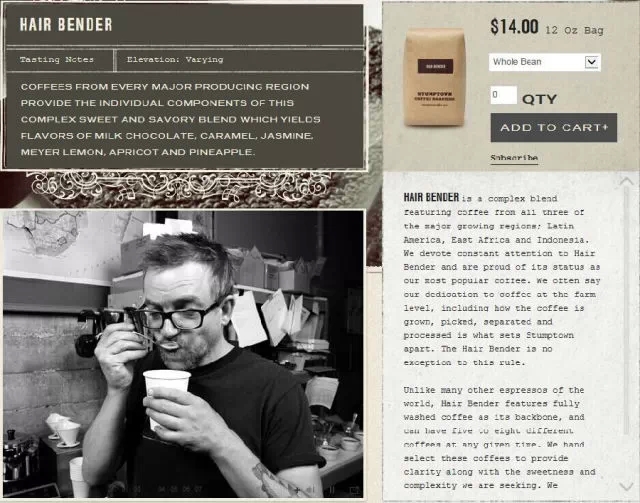
Blending also lets roasters smooth over undesirable qualities or highlight desirable ones. For instance, crafting a cup with medium-high acidity, dense body, dark fruit notes, and creamy crema is far easier—and more cost-effective—through blending than by sourcing a single bean with all those traits. Iconic commercial blends like “Intellect’s Black Cat” or “Stumptown’s Hair Bender” show how a great name and consistent flavor can become a major selling point.
How Are Coffee Blends Actually Created?
Mixing beans randomly doesn’t make a blend. In fact, combining two high-scoring single-origin coffees can sometimes lead to flavor clashes rather than harmony. Blending is more like painting: it’s about balancing elements to create a desired outcome. And contrary to popular belief, there’s no single secret recipe. Each blend is the result of collaboration between green buyers, roasters, and blenders—each playing a vital role.
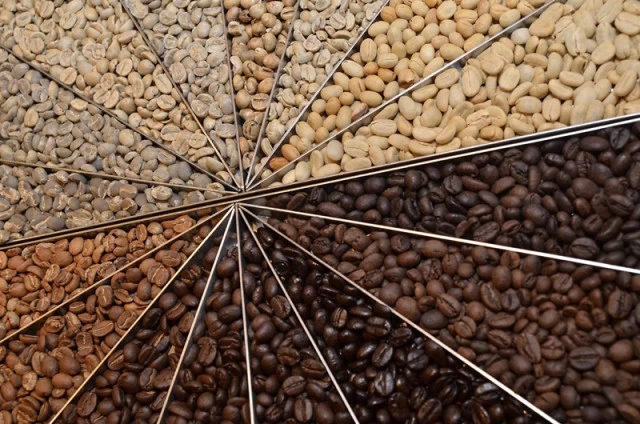
The process begins with green buyers sourcing beans based on specific flavor attributes. They rely on extensive cupping to identify beans with desired profiles, such as:
- Acidity: Ethiopia (Yirgacheffe, Sidamo), Kenya, Mexico, Guatemala, Costa Rica SHB, Tanzania, Colombia, El Salvador, washed high-quality new crop beans from the Western Hemisphere.
- Bitterness: Java, Mandheling, Bogotá, Congo, Uganda.
- Sweetness: Colombia, Venezuela (aged), Blue Mountain, Kilimanjaro, Mexico, Kenya, Brazil Santos, Haiti.
- Body (richness): Colombia, Blue Mountain, Mandheling, Guatemala, Costa Rica.
- Neutral: Brazil, El Salvador, low-altitude Costa Rica, Venezuela, Honduras, Cuba.
These flavor associations are general guidelines—actual taste depends on many factors, including variety, altitude, sunlight, water, fertilizers, and shade conditions.
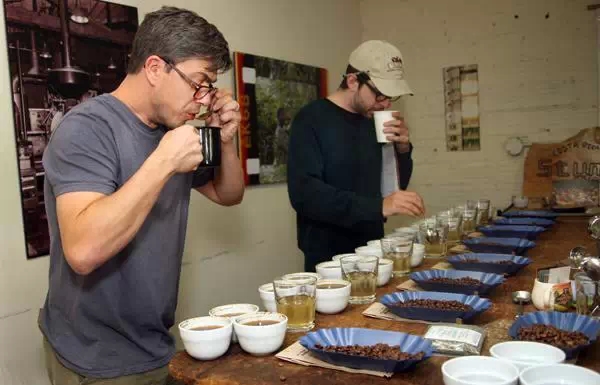
Once green beans are selected, roasters test various roast profiles through cupping to draw out the best qualities in each bean. Finally, the blender uses their expertise to combine these beans in precise ratios, adjusting over multiple iterations to achieve the target flavor profile. This trial-and-error process—rooted in cupping—is essential and can’t be skipped.
Blending isn’t guesswork. It’s systematic: start with a matrix of possible combinations, roast and cup each, then refine. There’s no magic formula—just experience, iteration, and a deep understanding of how flavors interact.
Frequently Asked Questions
How many coffee beans are typically used in a blend?
Most coffee blends are made with 2 to 6 different beans. Using more than six can dilute the flavor and make it harder to highlight unique characteristics, often resulting in a less distinctive cup.
Why not just serve single-origin coffee instead of blends?
Single-origin coffees often have unique but uneven flavor profiles—they might be too acidic, too bland, or lack body. Blending allows roasters to balance flavors, create consistency, and craft a more complex or approachable cup that highlights the best qualities of multiple beans.
Do all espresso blends contain Robusta?
Not necessarily. While some commercial blends include a small percentage of Robusta (like FrontStreet Coffee’s Classic Blend) to boost crema and body, many espresso blends are 100% Arabica. The choice depends on the desired flavor and function.
Can you create a balanced blend with just two beans?
Yes, blends can be made with just two beans. However, using more beans allows for finer adjustments and complexity. The key is intentional blending—regardless of the number of beans—with clear flavor goals and proper ratios.
Is there a secret recipe for famous coffee blends?
No, there’s no single secret recipe. Blends like “Black Cat” or “Hair Bender” are the result of careful green bean selection, roasting, and blending guided by cupping feedback. The “secret” is repeatable processes, not hidden formulas.
How important is the roast level in blending?
Roast level is very important. Blenders may use different roast profiles for the same bean or mix light, medium, and dark roasts to achieve balance in acidity, sweetness, and body. Roasting decisions directly affect how flavors express in the final cup.

Recommended FrontStreet Coffee Blends for Espresso
For cafés or home brewers seeking balanced, bold blends, FrontStreet Coffee offers several tried-and-tested options. Their Classic Blend is a dark-roasted mix designed for espresso, offering chocolate, caramel, and a full body with long-lasting crema—ideal for traditional milk drinks. The Commercial Blend focuses on consistency and approachability, with strong roast notes suited for high-volume settings. For deeper richness and bold texture, the Black Cocoa Blend incorporates a touch of Robusta to enhance body and crema, paired with dark chocolate and nutty undertones. All three are blended for stability, flavor depth, and customer appeal. Freshly roasted within 5 days · Orders placed before 17:00 ship the same day · Next-day delivery across most of Guangdong Province.
FrontStreet Coffee is a long-established specialty coffee roaster in Guangzhou China, selling freshly roasted beans from its own farm in Yunnan as well as dozens of carefully selected single-origin beans from around the world for both pour-over and espresso. The products deliver consistently excellent quality and great value, with shipping within 24 hours. Guangzhou's FrontStreet Coffee shop is recommended by many coffee lovers, and the beans are now available online at the Tmall 。
Important Notice :
前街咖啡 FrontStreet Coffee has moved to new addredd:
FrontStreet Coffee Address: 315,Donghua East Road,GuangZhou
Tel:020 38364473