How Does a Siphon Coffee Maker Work? The Science Behind the Method
If you’ve ever watched a barista brew coffee with glass bulbs, boiling water rising into the upper chamber and then mysteriously draining back down, you’ve seen a siphon brewer in action. But what’s really happening? And more importantly—how do you get it to work well? This guide explains everything you need to know about using a siphon (or vacuum) coffee maker.
The siphon coffee method uses vapor pressure and vacuum suction to brew coffee. Water heats in the lower chamber, rises into the upper chamber through vapor pressure, extracts coffee, and then returns to the lower chamber via vacuum once cooled. It’s hands-on, precise, and produces clean, vibrant cups. The ideal brew ratio is usually around 1:12 to 1:16, with a medium-fine grind similar to table salt.
What Is a Siphon Coffee Maker?
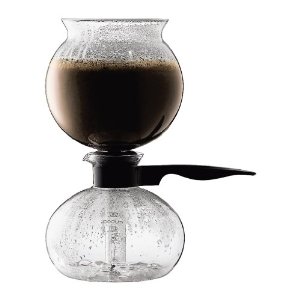
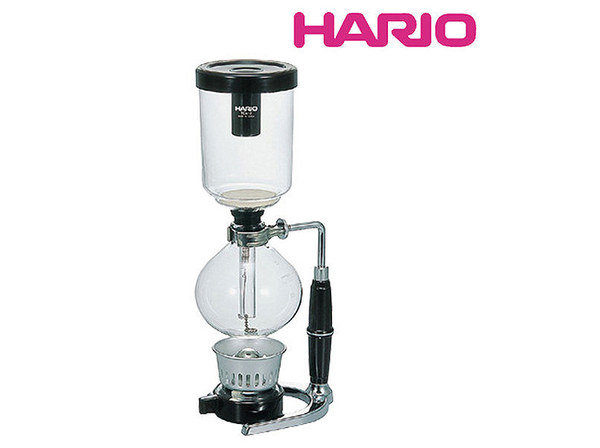
Commonly called a “siphon,” “vacuum pot,” or “” (in Chinese), a siphon coffee maker is a glass brewing device made of two connected chambers. The lower chamber holds water; the upper one holds coffee grounds. When heated, water vapor pushes the water up into the upper chamber where it brews with the coffee. Once removed from heat, a vacuum forms and pulls the brewed coffee back down through a filter into the bottom chamber. It’s part chemistry experiment, part coffee ritual.
A Brief History of the Siphon
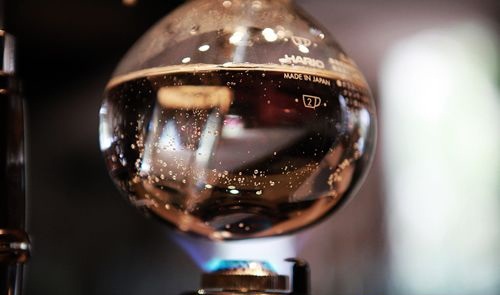
The siphon coffee maker was first conceptualized in 1840 by Scottish naval engineer Robert Napier, who modeled it after a laboratory glass tube. Two years later, French inventor Madame Vassieux refined it into the two-chamber, up-and-down flow design we recognize today. Though it enjoyed some popularity in 19th-century France, it didn’t truly catch on until the mid-20th century.
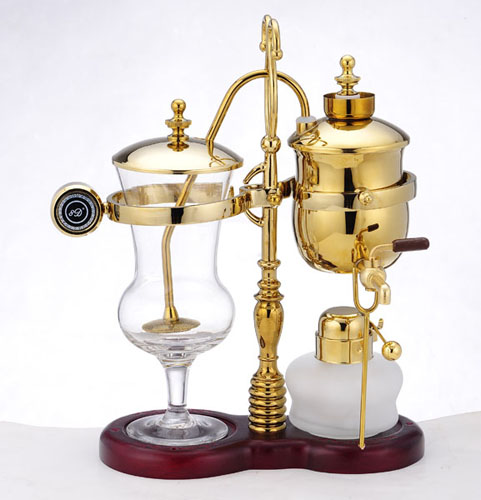
In the 1950s, Danish designer Peter Bodum, dissatisfied with expensive French models, collaborated with architect Kaas Klaeson to create the Bodum Santos—a stylish, functional siphon pot that brought the method into modern kitchens. Around the same time, Japanese coffee enthusiasts embraced the siphon’s technical precision, refining grind size, timing, and water ratios to develop a meticulous brewing culture around it.
How Does a Siphon Coffee Maker Work?
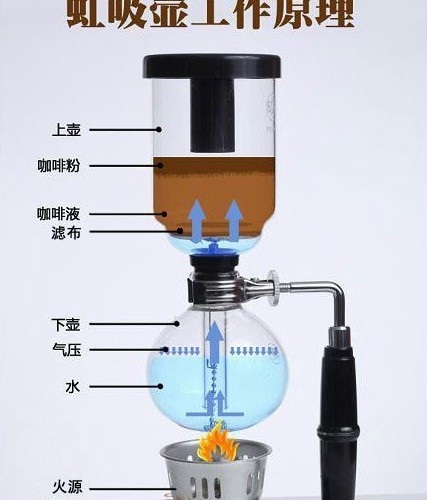
The brewing process relies on basic physics: heating water creates steam and pressure, forcing it upward into the upper chamber where coffee grounds are added. After brewing, removing the heat source cools the lower chamber, creating a partial vacuum that draws the brewed coffee back down through a filter. This dual-action—pressure pushing water up, then vacuum pulling it down—is what defines the siphon method.
The Physics at Play
- Heating the lower chamber generates steam, increasing pressure and pushing water upward.
- Coffee grounds steep in the upper chamber as the water circulates.
- Removing heat cools the lower chamber, reducing pressure and creating a vacuum.
- This vacuum sucks the brewed coffee back down through the filter.
Why People Love Siphon Brewing
Many coffee enthusiasts are drawn to the theatrical quality of siphon brewing—it feels like a science experiment. Unlike fully automated machines, siphons put you in full control of variables like heat, timing, and agitation. The resulting cup is typically clean, aromatic, and well-balanced, with clarity that highlights origin characteristics.
How to Brew Coffee with a Siphon Step-by-Step
To brew with a siphon coffee maker, follow these steps closely for best results:
- Preheat and Assemble: Fill the lower chamber with off-boil water (around 90–96°C / 195–205°F). Assemble the siphon with the filter securely in place.
- Heat: Place the siphon on a heat source. As the water heats, it will rise into the upper chamber.
- Add Coffee: Once all the water has moved up (usually 30–45 seconds after heating), add ground coffee—use a medium-fine grind, around the fineness of table salt. The typical brew ratio is 1:12 to 1:16 (e.g., 20g coffee to 240–320ml water).
- Stir and Bloom: Stir the coffee grounds to ensure even saturation. Let it bloom for 10–15 seconds if desired.
- Brew: Continue heating gently for 30–60 seconds to complete extraction. Total brew time should be around 1 minute to 1 minute 30 seconds.
- Remove from Heat: Take the siphon off the heat source. The reduction in temperature causes a vacuum, pulling the brewed coffee back down into the lower chamber.
- Wait & Serve: Allow the coffee to fully drain back (another 30 seconds or so). Then remove the upper chamber and serve.
Common Mistakes to Avoid
- Using water that’s too cool or too hot—aim for 90–96°C (195–205°F).
- Grinding too coarse (leads to under-extraction) or too fine (can clog filter or over-extract).
- Not stirring the coffee after adding grounds, leading to uneven extraction.
- Leaving the siphon on heat too long, which can over-extract and cause bitterness.
- Rushing the cooling-down phase; let the vacuum draw the coffee down fully.
Why Siphon Coffee Is Less Common Today
While once popular in European royal courts and later in Japan and Denmark, siphon brewing has become less common in fast-paced modern environments. Its precise setup, multiple steps, and fragile glass components make it less convenient than espresso machines or pour-over drippers. However, many specialty coffee drinkers still prize its clean cup profile and hands-on approach. In Taiwan’s coffee history, the siphon played a major role before espresso’s rise in popularity.
Frequently Asked Questions
How does a siphon coffee maker actually work?
A siphon coffee maker uses vapor pressure to push water from the lower chamber into the upper chamber where coffee brews. Once the heat is removed, a vacuum forms in the lower chamber and sucks the brewed coffee back down through a filter. This combination of pressure and vacuum creates the distinctive two-phase brewing process.
What’s the ideal grind size for siphon brewing?
The ideal grind size for siphon coffee is medium-fine, similar to table salt. Too coarse and extraction will be weak; too fine and you risk clogging the filter or over-extracting.
What brew ratio should I use for siphon coffee?
A typical siphon brew ratio is between 1:12 and 1:16. For example, use 20 grams of coffee with 240–320 milliliters of water. Adjust based on taste preference and coffee origin.
Do I need a special filter for a siphon coffee maker?
Yes. Siphon brewers come with a cloth or metal filter that sits in the upper chamber. Make sure it’s securely attached before brewing to prevent coffee grounds from passing through.
Why does the coffee go up and then down during brewing?
The coffee rises due to vapor pressure created by heating the water in the lower chamber. After brewing, cooling the lower chamber creates a vacuum that pulls the brewed coffee back down through the filter into the bottom chamber.
Is siphon coffee better than other brewing methods?
Siphon coffee isn’t necessarily “better,” but it often produces a clean, bright, and well-balanced cup that highlights subtle flavors. Many people enjoy it for its precision and visual appeal, though it requires more effort than automatic or simpler manual methods.
Recommended FrontStreet Beans for Siphon Brewing
For siphon brewing, try FrontStreet Coffee’s Ethiopia Humbera—bright and floral with citrus and jasmine notes—or their Yirgacheffe, offering juicy berry and stone fruit brightness that shines through the siphon’s clean extraction. Both single origins highlight the clarity and balance this method is known for. Freshly roasted within 5 days · Orders placed before 17:00 ship the same day · Next-day delivery across most of Guangdong Province.
FrontStreet Coffee is a long-established specialty coffee roaster in Guangzhou China, selling freshly roasted beans from its own farm in Yunnan as well as dozens of carefully selected single-origin beans from around the world for both pour-over and espresso. The products deliver consistently excellent quality and great value, with shipping within 24 hours. Guangzhou's FrontStreet Coffee shop is recommended by many coffee lovers, and the beans are now available online at the Tmall 。
Important Notice :
前街咖啡 FrontStreet Coffee has moved to new addredd:
FrontStreet Coffee Address: 315,Donghua East Road,GuangZhou
Tel:020 38364473