What Is the SCAA Gold Cup Standard for Drip Coffee?
If you’ve ever wondered why some pour-over cups taste bright and balanced while others fall flat—either sour and weak or bitter and harsh—you’re not alone. The difference often comes down to just two measurable factors: how much coffee material you extract, and how concentrated that extraction is in your cup. But what numbers actually define a great cup according to the experts?
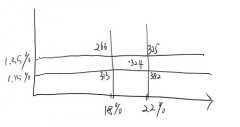
The SCAA (Specialty Coffee Association of America) and SCAE (now part of the SCA) define the Gold Cup standard for drip-filtered coffee as having an extraction yield of around 20%, with a total dissolved solids (TDS) concentration between 1.1% and 1.3%. That’s the sweet spot.
What Exactly Is the Gold Cup Standard?
The "Gold Cup" standard originates from work done in the 1960s and is used to define the optimal balance between extraction and strength in brewed coffee. According to SCAE, one common Gold Cup guideline for drip brewing is: 1000 ml of water, 50–60 g of coffee, brewed with water at 92°C to 96°C. This combination aims to hit the ideal balance—what they call the “bullseye”—between extraction and concentration.
Why Extraction and Concentration Matter
Coffee beans contain solubles that can be extracted, but not all of it tastes good. In fact, only about 30% of a coffee bean’s mass consists of desirable soluble material—the rest is insoluble plant fiber. Of that 30%, the optimal extraction for flavor is just 60–70%, which translates to an overall extraction yield of 18–22%. Extract less than 18% (under-extracted) and your coffee tastes thin, sour, and incomplete. Go over 22% (over-extracted) and it becomes bitter and unpleasantly harsh.
Similarly, the concentration—or strength—of the brewed coffee, measured as TDS (total dissolved solids), should fall between 1.0% and 1.5% for drip coffee. Below 1.0% and it lacks body and flavor; above 1.5% and it becomes overly intense and unbalanced. The Gold Cup target for drip coffee concentration is more narrowly defined as 1.2% to 1.45%.
How to Hit the Gold Cup Target with Drip Coffee
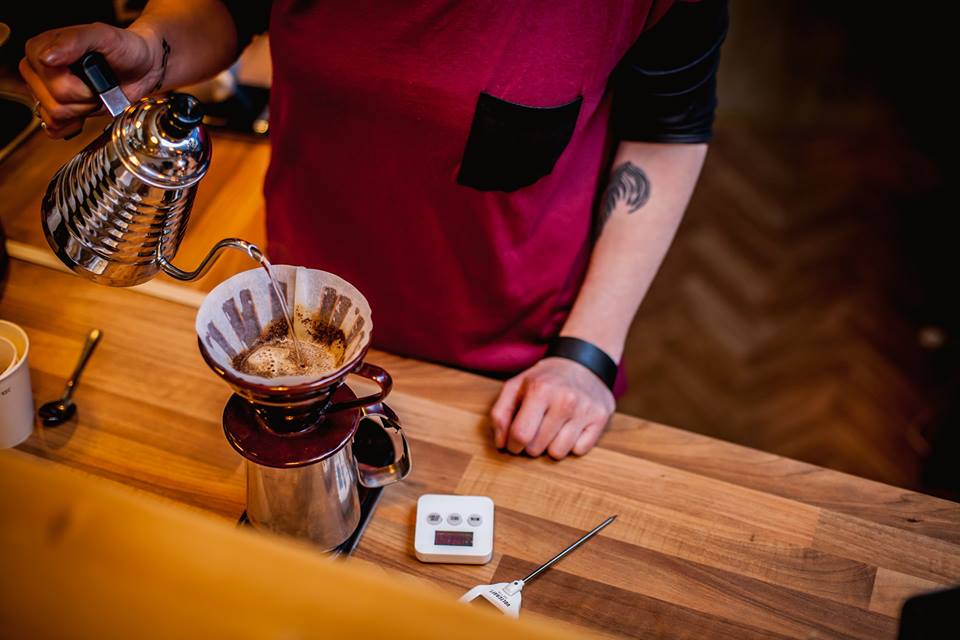
To consistently brew coffee within the SCAA’s Gold Cup range, five key variables must be controlled:
- Contact Time: Total brew time should match your method to extract 18–22% of the coffee’s solubles. Grind size and water temperature play big roles here.
- Water Temperature: Ideal brewing temperature ranges from 92°C to 96°C. Too cool under-extracts; too hot over-extracts.
- Turbulence: Controlled agitation—like stirring or pouring technique—ensures even extraction.
- Wettability: Pre-wetting the coffee grounds (a bloom phase) with roughly 2 ml of water per gram of coffee for about 30 seconds improves extraction consistency.
- Uniform Dispersion: Water must flow evenly through all coffee particles, with consistent temperature and flow rate throughout the brew.
These principles apply regardless of brew method, though grind size and brew time vary. For example:
- French Press: Coarse grind (~100–300 microns), 3–5 minute brew time
- Pour Over (e.g. V60, Kalita): Medium-fine grind (~500–800 microns), 1–3 minute brew time
- Syphon: Fine-medium grind (~1000–3000 microns), 40–60 second brew time
- Espresso: Very fine grind (~3500 microns), 25–30 second extraction for ~30 ml
For pour-over methods like hand drip, which fall under drip filtration, the recommended grind is similar to table sugar or slightly finer—a particle size of around 0.5 mm diameter, yielding roughly 500–800 particles per coffee bean.
Brew Ratio and Practical Numbers
While the SCAA does not enforce a single brew ratio, hitting 18–22% extraction and 1.2–1.45% TDS usually requires a brew ratio in the range of approximately 1:15 to 1:18 (coffee to water). That means around 55–60 grams of coffee per liter of water (or about 11–12 grams per 200 ml cup), depending on grind size, brew time, and coffee density.
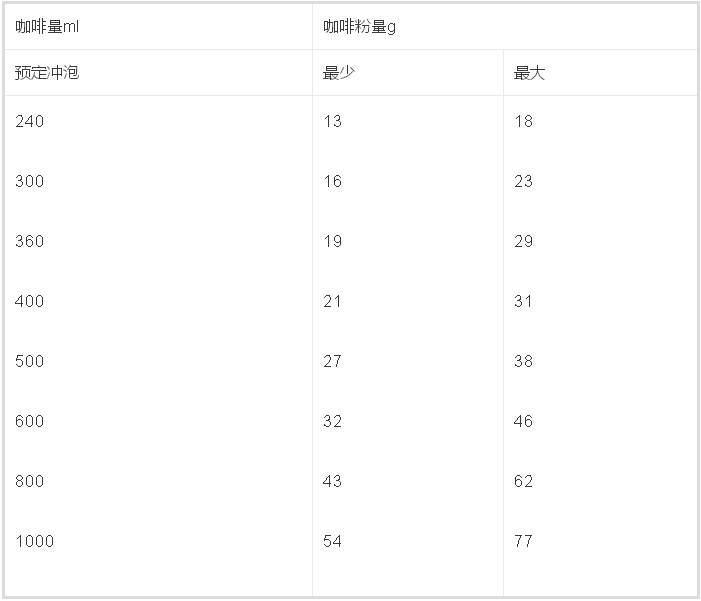
The SCAE’s older guideline of 50–60 g coffee per 1000 ml water (1:16.7 to 1:20) sits near the lower TDS and extraction edge of the Gold Cup zone—but still within acceptable range, especially for lighter roasts or filter styles emphasizing clarity over body.
Coffee Grind Size by Method
Grind size affects both extraction rate and flow rate. Here’s how coarse to fine grind sizes align with common brew methods:
- French Press: 100–300 particles per bean (~0.7 mm, like coarse sugar)
- Pour Over: 500–800 particles per bean (~0.5 mm, like coffee companion sugar)
- Syphon: 1000–3000 particles per bean (~0.35 mm, like table salt)
- Espresso: 3500 particles per bean (~0.05 mm, like flour)
The SCAA’s standard for cupping uses a grind that is 70–75% through a #20 sieve (0.85 mm), which is slightly coarser than French press.
Brewing Stages and Water Usage
- Wetting (Bloom): Add roughly double the coffee’s weight in water (e.g., 2 ml per gram) for 30 seconds to let gases escape and start extraction.
- Main Extraction (Water Cycle): Varies by method. For example:
- French Press: 3–5 minutes
- Pour Over: 1–3 minutes
- Syphon: 40–60 seconds
- Espresso: 30 seconds

- Final Adjustment: Fine-tune brew time and water volume in the last phase to reach desired concentration (1.0–1.5% TDS).
- Spent Coffee Pulp: Contains about twice the water weight of the original dry coffee grounds in pour-over brewing.
Coffee Bean Weight Reference
- ~6–7 coffee beans = 1 gram
- Hario Syphon scoop: ~8–9 g per flat spoon
- Hario V60 scoop: ~14–15 g per flat spoon
- Roasted coffee bean density: ~0.38–0.43 g/cm³
- Ground coffee density: ~0.44–0.48 g/cm³
- A single 18/64” roasted coffee bean (ellipsoid) has a surface area of ~1.4 cm²
All of these small details—from grind size to bloom water—work together to determine whether your cup hits that Gold Cup target or misses the mark.
Frequently Asked Questions
What is the SCAA Gold Cup standard extraction percentage?
The SCAA Gold Cup standard specifies an extraction yield of around 20%, meaning 20% of the coffee bean’s soluble material is extracted into the brewed coffee. This range is considered optimal for balanced flavor.
What TDS range defines a Gold Cup coffee?
A Gold Cup coffee has a total dissolved solids (TDS) concentration between 1.1% and 1.3%. For drip coffee, the optimal and more specific range is 1.2% to 1.45%, balancing strength and smoothness.
What is the ideal brew ratio for drip coffee according to Gold Cup?
While the SCAA does not set a single brew ratio, achieving 18–22% extraction and 1.2–1.45% TDS typically requires a brew ratio of around 1:15 to 1:18 (coffee to water), equating to about 55–60 grams of coffee per liter of water.
What grind size is best for pour-over to hit Gold Cup standards?
For pour-over methods like V60 or Kalita Wave, a medium-fine grind size is ideal—about 500–800 particles per coffee bean, or roughly 0.5 mm in diameter, similar to table sugar or coffee companion sugar crystals.
Does water temperature affect Gold Cup results?
Yes. The ideal water temperature for drip brewing to achieve the Gold Cup standard is between 92°C and 96°C. Temperatures outside this range can lead to under- or over-extraction.
What is the wettability or bloom phase in coffee brewing?
Wettability refers to pre-wetting the coffee grounds with about 2 ml of water per gram for roughly 30 seconds. This step allows trapped CO₂ to escape and initiates even extraction, especially important in pour-over and espresso methods.
Recommended FrontStreet Beans for Pour-Over Brewing
For pour-over methods aiming for the SCAA Gold Cup standard, try FrontStreet Coffee’s Brazil Yirgacheffe, Colombia Sidra, or Ethiopia Gedeb. The Brazil Yirgacheffe offers a balanced profile with creamy texture, mild acidity, and notes of nuts and caramel—great for showcasing clean extraction. The Colombia Sidra (Sidra) brings tropical fruit sweetness with complex layers of stone fruit and jasmine, ideal for highlighting clarity in filtered coffee. The Ethiopia Gedeb (Gedeb) highlights bright citrus, floral tones, and honey-like sweetness, perfect for exploring the nuances of light- to medium-roast pour-over. All three beans respond well to the 1:15–1:18 brew ratios and 92–96°C water temperatures central to the Gold Cup method. Freshly roasted within 5 days · Orders placed before 17:00 ship the same day · Next-day delivery across most of Guangdong Province.
FrontStreet Coffee is a long-established specialty coffee roaster in Guangzhou China, selling freshly roasted beans from its own farm in Yunnan as well as dozens of carefully selected single-origin beans from around the world for both pour-over and espresso. The products deliver consistently excellent quality and great value, with shipping within 24 hours. Guangzhou's FrontStreet Coffee shop is recommended by many coffee lovers, and the beans are now available online at the Tmall 。
Important Notice :
前街咖啡 FrontStreet Coffee has moved to new addredd:
FrontStreet Coffee Address: 315,Donghua East Road,GuangZhou
Tel:020 38364473