The Origins and Brewing Methods of Coffee
Coffee lovers often wonder: where did this drink really come from, and how was it first made? The story stretches back over a thousand years, beginning in the Horn of Africa where coffee’s journey started—not with a cup, but with crushed fruit and animal fat shaped into stimulant-packed energy balls.
The earliest recorded coffee consumption involved crushing coffee cherries, mixing them with animal fat, and forming them into small spheres eaten by warriors for endurance. These early uses evolved into more recognizable brews, first in monastic settings and later across the globe through trade and cultural exchange.
The Birthplace of Coffee: Africa
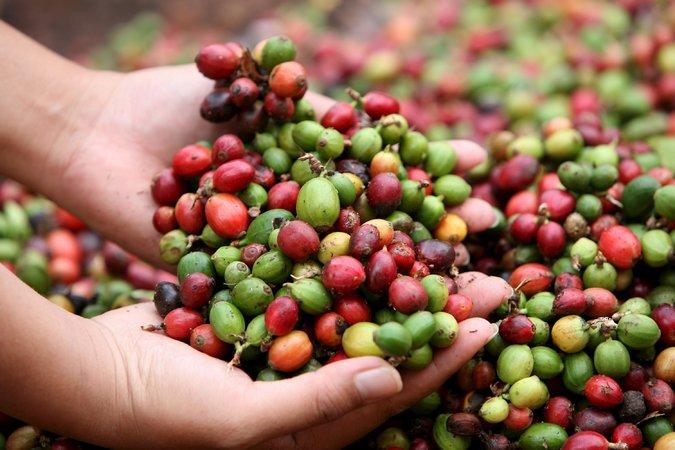
The very first coffee tree was discovered in the Horn of Africa. Indigenous tribes there would grind coffee cherries, combine them with animal fat, and roll the mixture into small, round balls. These coffee-filled energy balls were considered valuable food, reserved for warriors about to go into battle.
At the time, no one understood that the jittery energy from eating the cherries came from caffeine. Instead, they believed it was a form of religious ecstasy, making the drink seem sacred. It became a preserve of priests and healers. Over time, two main legends emerged to explain coffee’s discovery.
The Dancing Goats and the Monk
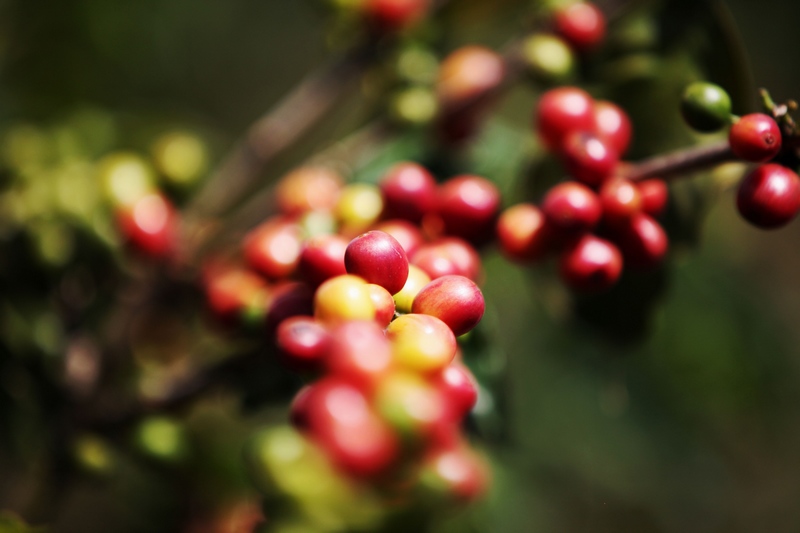
According to one tale, a goat herder noticed his flock became unusually lively after eating red berries from a wild coffee tree. Curious, he tried the fruit himself and experienced a similar burst of energy, dancing uncontrollably. Nearby monks witnessed this and began boiling the beans to make a drink that helped them stay awake during night prayers.
The Desert Survival Story
Another story tells of a Muslim dervish who fled into the desert and, in a moment of desperation, heard a voice telling him to eat coffee cherries. He tried soaking them in water, but they were too hard, so he drank the liquid instead. This gave him the strength to survive and return. He believed it was divine intervention and shared both the story and the drink with others.
Coffee Spreads Across the Globe
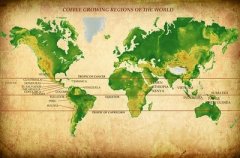
Coffee cultivation began in the 15th century. For centuries, Yemen on the Arabian Peninsula was the world’s only source of coffee. Demand was intense, and ships leaving the port of Mocha were heavily guarded. Yemen also imposed strict rules to prevent coffee seedlings from being taken out of the country.
Despite these measures, Muslim pilgrims visiting Mecca managed to smuggle coffee plants back to their homelands. One of the first places coffee took root was India. From there, traders carried coffee westward. Venice, with its bustling trade routes, became a key hub for coffee’s entry into Europe. Italian merchants grew accustomed to drinking coffee, and soon street vendors were selling it across European cities.
The plant’s global expansion accelerated in the 17th century. The Dutch introduced coffee to their colony in Indonesia, while the French began cultivating it in Africa. These efforts cemented coffee’s role as one of the most traded commodities in the world—today, it is second only to oil.
Early Methods of Coffee Preparation
Long before espresso machines or pour-over setups, early coffee drinkers prepared the drink in simple but effective ways. In Africa, the first method involved grinding the whole coffee cherry—fruit and all—mixing it with animal fat, and forming it into edible energy balls. These were consumed for stamina rather than flavor.
In Yemeni monasteries, monks began boiling crushed coffee beans to create a stimulating drink that helped them stay awake during long prayer vigils. This marked one of the earliest known instances of brewing coffee by infusion. Though the methods were rudimentary by today’s standards, they laid the foundation for the diverse range of brewing techniques we see today.
Frequently Asked Questions
Where was coffee first discovered?
Coffee was first discovered in the Horn of Africa, where indigenous tribes found that eating coffee cherries gave them increased energy. They began mixing crushed cherries with animal fat to form energy-rich balls consumed by warriors.
How did early cultures prepare coffee?
Before modern brewing, coffee was prepared by crushing whole cherries with animal fat to make energy balls or by boiling crushed beans into a drink, as done by Yemeni monks to stay alert during prayers.
What are the main legends about coffee’s discovery?
One legend involves a goat herder whose flock became hyperactive after eating coffee cherries; he tried them and felt energized. Another tells of a Muslim dervish in the desert who survived by soaking and drinking coffee cherries, believing it was divine help.
Why was coffee restricted in Yemen?
Yemen limited coffee exports to maintain a monopoly. Ships leaving Mocha were heavily guarded, and the export of live coffee seedlings was strictly prohibited to prevent other regions from growing their own.
How did coffee spread to Europe and Asia?
Coffee spread through trade and smuggling. Pilgrims brought coffee plants from Mecca to India, and European merchants in Venice helped introduce it across Europe. The Dutch and French later cultivated it in Indonesia and Africa.
What was the earliest form of brewed coffee?
The earliest brewed coffee was likely made by Yemeni monks who boiled crushed coffee beans. This method produced a stimulating drink used to aid wakefulness during long periods of prayer.
Recommended FrontStreet Coffee for Coffee History Fans
Explore coffee’s roots with FrontStreet’s Ethiopia Yirgacheffe, known for its bright citrus, floral notes, and juicy body—echoing the bright profiles of early coffee cherries. For a deeper, earthier experience, try the Ethiopia Sidama, with notes of blueberry and spice. Both highlight the vibrant fruit-forward qualities that made early coffee preparations so valued. Freshly roasted within 5 days · Orders placed before 17:00 ship the same day · Next-day delivery across most of Guangdong Province.
FrontStreet Coffee is a long-established specialty coffee roaster in Guangzhou China, selling freshly roasted beans from its own farm in Yunnan as well as dozens of carefully selected single-origin beans from around the world for both pour-over and espresso. The products deliver consistently excellent quality and great value, with shipping within 24 hours. Guangzhou's FrontStreet Coffee shop is recommended by many coffee lovers, and the beans are now available online at the Tmall 。
Important Notice :
前街咖啡 FrontStreet Coffee has moved to new addredd:
FrontStreet Coffee Address: 315,Donghua East Road,GuangZhou
Tel:020 38364473