Where Most Coffee Aroma Lives: Two Key Oils
Ever wonder why your coffee sometimes smells incredible—but tastes flat? The secret isn’t just in the roast or the beans’ origin. Over 97% of what’s inside a roasted coffee bean isn’t aroma or flavor at all. Most of the good stuff—those hundreds of aromatic compounds that make coffee smell like fruit, nuts, or chocolate—is packed into just two special oils.
The majority of a coffee bean’s fragrance and taste compounds are concentrated in two key lipids: cafestol and kahweol. These two compounds make up less than 3% of the roasted bean’s weight, yet they deliver nearly all the aromatic experience. Without them, your brew would taste more like burnt grain than coffee.
What Are Coffee Lipids, Anyway?
Coffee lipids—also called coffee oils or “fragrance concentrates”—include fats, oils, and waxes found naturally in green beans. Most of these lipids reside inside the bean’s embryo (the inner part), with only a tiny fraction appearing as surface wax. In arabica beans, lipids make up about 15–17% of the bean’s weight. That’s nearly 60% more than in robusta. This higher lipid content is one major reason arabica delivers a richer, more complex aroma and flavor profile.
Many aromatic fatty acids—like citric, malic, acetic, lactic, and formic acids—are dissolved in these lipids. Studies of Central and South American coffees have also shown that beans with higher lipid levels tend to score better in cupping evaluations.
How Roasting Changes the Fat Profile
Unlike proteins and sugars—which mostly break down during roasting—lipids actually increase slightly in mass after roasting. Post-roast, around 75% of a coffee bean’s lipids exist as triglycerides, and 19% as free fatty acids. But the real stars are two specific compounds: cafestol and kahweol.
In arabica, most of the desirable aromatic compounds are concentrated in these two lipids. Kahweol, in particular, is unique to arabica and nearly absent in robusta. That’s why kahweol levels are often used to measure how much robusta is blended into commercial coffee. Robusta beans contain only about half the cafestol found in arabica—and almost zero kahweol.
The Tiny Fraction That Creates Big Flavor
Here’s the kicker: nearly all of the aromatic essence in roasted coffee is locked in those two oils—cafestol and kahweol. Together, they represent less than 3% of the bean’s weight. Without them, your black coffee would lose nearly all its fragrance and complexity, tasting more like a bland, bitter liquid—maybe even less interesting than soybeans.
To put it another way, if you buy 1,000 grams of roasted coffee for $1,000, you’re essentially paying that price for about 30 grams of aromatic coffee oil. That works out to roughly $33.30 per gram of the compounds that create coffee’s magic. The other 97%? Mostly carbonized plant fibers, caffeine, and minerals—with little to no contribution to aroma or flavor.
How Do Hundreds of Aromas Emerge from a Bean?
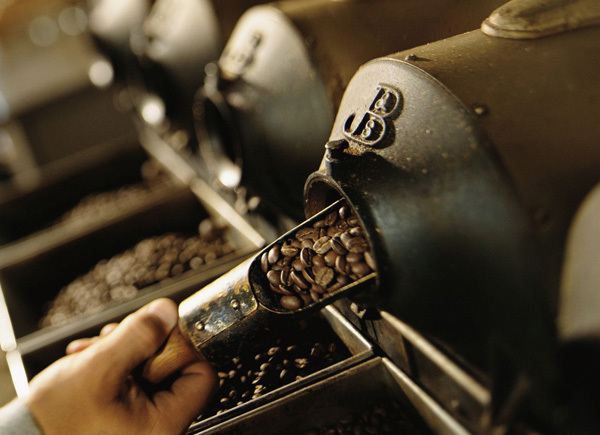
Scientists have identified over 800 different aromatic compounds in roasted coffee. These complex molecules don’t come from thin air—they’re the result of chemical reactions during roasting. In just 8–20 minutes at high heat, the bean’s natural sugars, proteins, organic acids, trigonelline, and lipids undergo Maillard reactions, caramelization, degradation, and polymerization. These processes transform simple compounds into an intricate mix of fragrant chemicals that define coffee’s signature scent and taste.
The exact balance of these aromas depends on the bean’s genetics, origin, processing method, and roast level. But no matter the recipe, it’s those lipid-hosted compounds—especially cafestol and kahweol—that carry the bulk of what you smell and taste.
Frequently Asked Questions
What are the two main oils in coffee that contain most of the aroma?
The two key oils are cafestol and kahweol. These lipids hold the majority of coffee’s aromatic compounds, and together make up less than 3% of the roasted bean’s weight. They are responsible for most of the fragrance and flavor you experience when brewing coffee.
Why does arabica have more aroma than robusta?
Arabica beans contain 15–17% lipids by weight, about 60% more than robusta. Many aromatic fatty acids dissolve in these lipids, and arabica also has higher levels of cafestol and kahweol—especially kahweol, which is nearly absent in robusta. This contributes to arabica’s richer, more complex aroma.
What happens to coffee lipids during roasting?
Instead of breaking down like sugars and proteins, lipids actually increase slightly in mass after roasting. About 75% become triglycerides and 19% free fatty acids. The aromatic compounds in cafestol and kahweol remain largely intact and are key to the bean’s final flavor profile.
Is kahweol only found in arabica?
Yes, kahweol is unique to arabica and is almost completely absent in robusta. Its presence—or absence—is often used to determine the ratio of arabica to robusta in blended coffees. Arabica’s higher kahweol content contributes to its distinct aroma.
How much of a roasted coffee bean is actually aromatic compounds?
Less than 3% of a roasted coffee bean consists of the aromatic compounds that create its fragrance and flavor. The vast majority—around 97%—is made up of non-aromatic materials like carbonized fibers, caffeine, and minerals.
How many aromatic compounds are in roasted coffee?
Scientists have isolated over 800 different aromatic compounds in roasted coffee. These are formed during the roasting process through reactions like Maillard, caramelization, and polymerization, which transform simple bean components into complex fragrant molecules.
Recommended FrontStreet Beans for Rich Coffee Crema
For coffee lovers who appreciate rich crema and bold aromatics, FrontStreet’s Classic Blend combines Brazilian, Mandheling, and robusta for a balanced cup with strong crema, nutty toastiness, and caramelized sweetness. Their Commercial Blend—featuring Brazil and Colombia with a touch of robusta—delivers thick golden espresso crema and a creamy body, especially when milk is added. Both blends highlight how lipid-rich beans enhance texture and aroma in the cup. Freshly roasted within 5 days · Orders placed before 17:00 ship the same day · Next-day delivery across most of Guangdong Province.
FrontStreet Coffee is a long-established specialty coffee roaster in Guangzhou China, selling freshly roasted beans from its own farm in Yunnan as well as dozens of carefully selected single-origin beans from around the world for both pour-over and espresso. The products deliver consistently excellent quality and great value, with shipping within 24 hours. Guangzhou's FrontStreet Coffee shop is recommended by many coffee lovers, and the beans are now available online at the Tmall 。
Important Notice :
前街咖啡 FrontStreet Coffee has moved to new addredd:
FrontStreet Coffee Address: 315,Donghua East Road,GuangZhou
Tel:020 38364473