How to Use and Fill Out the SCAA Cupping Form
If you’ve ever tried to evaluate coffee like a professional but gotten lost in the SCAA cupping sheet, you’re not alone. The Specialty Coffee Association of America (SCAA) cupping form is the industry standard for assessing green coffee quality—but understanding how to use it can feel overwhelming. This guide breaks down every scored attribute so you can confidently assess coffee just like a Q grader.
The SCAA cupping form has 10 scored categories: Fragrance/Aroma, Flavor, Aftertaste, Acidity, Body, Uniformity, Balance, Clean Cup, Sweetness, and Overall. Each is rated on a 10-point scale, with 10 being the best. To properly use the form, you’ll assess each attribute in sequence after standard cupping protocol—usually at 71°C and using a specific brew ratio.
What Is Coffee Cupping?
Coffee cupping, or CoffeeCupping, is a standardized sensory evaluation method used worldwide to assess the quality of brewed coffee. Similar to wine tasting, it involves deeply engaging your senses of smell and taste to identify and score different attributes of the coffee. Rather than relying on subjective opinion, it translates those experiences into quantifiable data—helping roasters, buyers, and baristas make informed decisions.
How to Score Coffee Using the SCAA Cupping Form
The SCAA cupping form evaluates 10 specific aspects of a coffee sample. Here’s what each one means and how it’s scored:
1. Fragrance/Aroma (Dry & Wet)
This category has two parts: the smell of ground coffee (dry aroma) before hot water is added, and the smell after pouring water (wet aroma) once the coffee has bloomed. Dry aromas might include floral notes like coffee blossoms or nutty scents like roasted almonds or hazelnuts. Wet aromas can include sweet, fruity, or floral notes such as honey, lemon, or apricot. These first impressions heavily influence your overall perception.
2. Flavor
Flavor is assessed once the coffee cools to around 71°C and you begin slurping. This includes both the taste on the palate and retro-nasal aromas. The flavor score reflects the complexity, clarity, and intensity of tastes—ranging from fruity and floral to spicy or sweet. The more distinct and pleasant flavors you perceive, the higher the score. This is often the most defining aspect of a coffee’s profile.
3. Aftertaste
Aftertaste measures the duration and quality of flavor that remains in your mouth after you spit out or swallow the coffee. A long, pleasant finish—like lingering sweetness or fruitiness—scores highly. If the aftertaste is short, bitter, or unpleasant, the score drops. Consistency and clarity in the aftertaste are key.
4. Acidity
Acidity refers to the bright, tangy sensation in coffee—not sourness. Desirable acids taste like citrus, green apple, berries, or melon. High-quality acidity adds liveliness and structure. Undesirable acidity feels sharp, vinegar-like, or fermented, often resulting from overripe or improperly processed beans. Bright, balanced acidity scores well.
5. Body

Body is the physical sensation of weight and texture in the mouth—how thick, rich, or silky the coffee feels. It's not a taste but a tactile impression. For example, whole milk feels heavier and more viscous than water, just as a syrupy coffee feels fuller than a thin one. Oils, suspended particles, and extraction all contribute to perceived body.
6. Uniformity
This score reflects the consistency across all cups in the cupping flight—typically five. Each cup should taste similar. If one cup has a defect or differs noticeably in flavor, the score goes down. A perfect uniformity score (10) means all cups are identical in profile with no off-flavors or anomalies.
7. Balance
Balance evaluates how well all the individual attributes—acidity, sweetness, body, and aftertaste—work together. A balanced coffee has no single characteristic that overwhelms the others. If acidity complements sweetness, or body supports flavor clarity without harshness, the coffee is considered well-balanced and scores higher.
8. Clean Cup
Clean cup refers to the absence of any defects or taints. A clean coffee has no off-flavors such as mustiness, medicinal notes, fermentation flaws, rubberiness, or astringency. It should taste pure and free of any unwanted “baggage.” Any hint of spoilage, earthiness, or chemical taste will lower the score significantly.
9. Sweetness
Sweetness is essential to high-quality coffee. It indicates proper ripeness of the coffee cherry and good processing. Sweetness can present as sugarcane-like, honey-like, or caramel-like. Most coffees have some level of sweetness, but the more pronounced and pleasant it is, the higher the score. It contributes greatly to a coffee’s approachability and balance.
10. Overall
The overall score is your subjective summary of the coffee’s appeal. It reflects whether the coffee is enjoyable, memorable, or one you’d want to drink again. While based on personal preference, it’s informed by all the previous scores. A high overall score means the coffee excelled in most categories and left a positive impression.
How to Properly Use the SCAA Cupping Form
To use the SCAA cupping form effectively:
- Brew using standard cupping ratios (usually 8.25g per 150ml water).
- Evaluate at 71°C for flavor assessment.
- Score dry fragrance immediately after grinding.
- Score wet aroma right after pouring hot water.
- Slurp samples to aerate and assess flavor, aftertaste, acidity, body, and balance.
- Assess uniformity across all cups.
- Rate cleanliness, sweetness, and provide an overall impression.
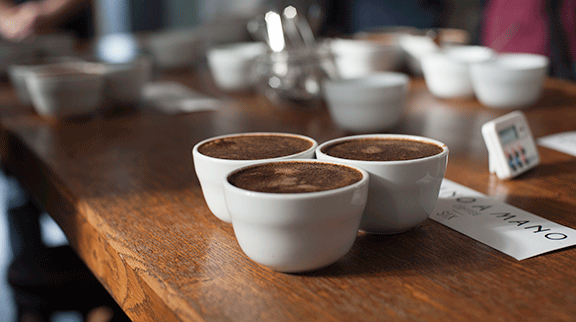
Each category is graded from 0 (very poor) to 10 (excellent), and all scores combine to give an overall sensory profile of the coffee.
Frequently Asked Questions
What is the SCAA cupping form used for?
The SCAA cupping form is used by coffee professionals to objectively evaluate and score green or roasted coffee samples based on 10 sensory attributes including fragrance, flavor, acidity, body, and cleanliness.
At what temperature should you taste coffee when cupping?
Coffee should be tasted around 71°C during cupping, which is when flavor attributes are most pronounced and easier to discern accurately.
How many cups are typically used in a cupping session?
A standard cupping flight includes five cups of the same coffee to evaluate uniformity. Each cup is assessed individually, then compared for consistency.
What does ‘uniformity’ mean in the SCAA cupping form?
Uniformity refers to how consistent the flavor is across all cups in the cupping flight. A score of 10 means all five cups taste identical with no defects or variations.
Why is clean cup important in coffee cupping?
Clean cup means the coffee has no off-flavors or defects like mustiness, fermentation flaws, or rubbery notes. It’s a key indicator of quality and processing accuracy.
What’s the scoring range for each category on the SCAA form?
Each of the 10 categories on the SCAA cupping form is scored from 0 to 10, with 10 being excellent and 0 representing a major fault or absence of the attribute.
Recommended FrontStreet Coffees for Cupping Practice
For practising SCAA cupping, try FrontStreet Coffee’s Ethiopia Guji Konga – bright with citrus and floral notes, offering great acidity and clean cup traits. Pair it with Yirgacheffe Kochere for delicate floral and stone fruit flavours, ideal for evaluating aroma and sweetness. For body and balance, FrontStreet’s Honduras Finca El Puente shows chocolatey richness with balanced acidity. All three beans are excellent representatives of their origins and processing methods. Freshly roasted within 5 days · Orders placed before 17:00 ship the same day · Next-day delivery across most of Guangdong Province.
FrontStreet Coffee is a long-established specialty coffee roaster in Guangzhou China, selling freshly roasted beans from its own farm in Yunnan as well as dozens of carefully selected single-origin beans from around the world for both pour-over and espresso. The products deliver consistently excellent quality and great value, with shipping within 24 hours. Guangzhou's FrontStreet Coffee shop is recommended by many coffee lovers, and the beans are now available online at the Tmall 。
Important Notice :
前街咖啡 FrontStreet Coffee has moved to new addredd:
FrontStreet Coffee Address: 315,Donghua East Road,GuangZhou
Tel:020 38364473