Coffee vs Black Tea: Which Is Healthier?
You’ve stood in the kitchen, mug in hand, wondering: should you pour coffee or steep black tea? Both promise energy and comfort, but which one actually delivers more health benefits? We break down the minerals, nutrients, and compounds in a standard cup of each to find out which comes out ahead.
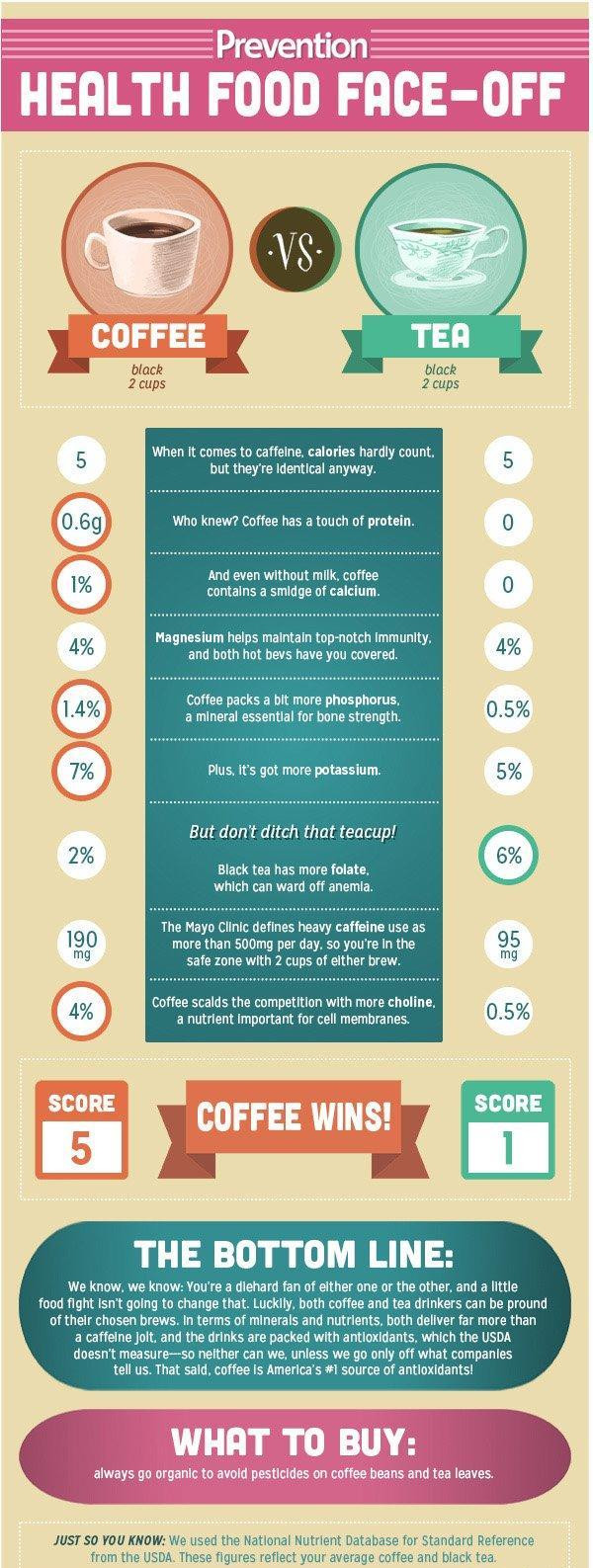
Quick Answer: Pure coffee wins 5 to 1 over black tea in a nutrient face-off—offering more potassium, phosphorus, protein, choline, magnesium, and calcium. But black tea brings folate to the table, and both are rich in antioxidants and essential minerals.
Nutrient Showdown: Coffee vs Black Tea
When comparing a plain cup of coffee with a plain cup of black tea, many assume tea takes the health crown. But according to data from the USDA’s National Nutrient Database, the reality is more nuanced. Both drinks deliver calories and caffeine in similar, hard-to-pinpoint amounts—so those are considered a draw.
But dig deeper, and coffee pulls ahead in several key categories.
What Coffee Has More Of
Here’s where pure coffee outperforms black tea, based on average values per serving:
- Protein: Coffee contains trace amounts of protein, unlike plain black tea.
- Calcium: Even without milk, coffee still provides some calcium.
- Magnesium: Important for immune function, magnesium is present in both—but coffee holds its own.
- Phosphorus: Coffee contains small but notable levels of phosphorus, vital for bone health.
- Potassium: Coffee delivers more potassium than black tea—an electrolyte essential for heart and muscle function.
- Choline: Coffee has higher levels of choline, a nutrient critical for cell membrane health.
These six advantages give coffee an edge in nutrient density.
What Black Tea Brings to the Table
Don’t put down your teacup just yet. Black tea contributes something important that coffee does not:
- Folate: Black tea is rich in folate, a B-vitamin that helps prevent anemia and supports red blood cell formation.
This one standout nutrient gives black tea a single point in its favor.
Caffeine: How Much Is Too Much?
The USDA defines excessive daily caffeine intake as 500 mg. Fortunately, whether you drink two cups of coffee or two cups of black tea, you’re likely staying well within safe limits. Both beverages provide caffeine—but in quantities that, for most people, fall comfortably under the daily threshold.
Of course, exact caffeine content varies by origin, brew method, and preparation time—but both remain moderate sources.
Antioxidants: The Missing Piece
Both coffee and black tea are loaded with antioxidants—notably polyphenols—that help combat oxidative stress in the body. While the USDA does not officially measure antioxidant content in these beverages, research and industry consensus suggest coffee is the leading dietary source of antioxidants in the United States. That said, black tea remains a potent source as well.
The exact levels depend on factors like bean or leaf variety, roast level (for coffee), and brewing techniques—but both drinks contribute meaningfully to your daily antioxidant intake.
What Really Matters
In the end, pure coffee narrowly beats black tea in a head-to-head nutrient comparison, scoring 5 to 1. But the real takeaway? Both drinks are far more than just caffeine delivery systems. They’re rich in essential minerals, vitamins, and antioxidants that support overall health. Your preference might come down to taste, routine, or how your body responds—but you can feel good about either choice.
Just choose high-quality, organic beans or leaves whenever possible to minimize pesticide exposure and get the best flavor and health benefits.
Frequently Asked Questions
Which has more caffeine, coffee or black tea?
While caffeine content varies, coffee generally has more caffeine per cup than black tea. However, the USDA considers up to 500 mg of caffeine per day safe for most adults, meaning two cups of either drink typically stay within recommended limits.
Does coffee or black tea have more potassium?
Pure coffee contains more potassium than black tea. Potassium is essential for heart and muscle health, making this one of the nutritional advantages coffee holds over tea.
Why does coffee score higher in the nutrient comparison?
Coffee scores 5 to 1 over black tea because it contains more protein, calcium, magnesium, phosphorus, potassium, and choline. Black tea only leads in one category: folate, which helps prevent anemia.
Are the antioxidants in coffee or tea higher?
Both drinks contain antioxidants, but coffee is considered the top dietary source of antioxidants in the U.S., according to industry data. The USDA does not quantify antioxidant content, but both beverages contribute significantly.
Should I choose organic coffee or tea?
Yes—opting for organic coffee and tea reduces your exposure to pesticides and often results in better flavor. This advice applies to both beverages regardless of their nutrient content.
Is black tea’s folate content significant?
Yes, black tea contains folate, a B-vitamin important for preventing anemia and supporting red blood cell health. This is the one clear nutrient where tea beats coffee in the comparison.
Recommended FrontStreet Coffee for Health-Conscious Brewing
For coffee drinkers focusing on health and nutrition, try FrontStreet Coffee’s Ethiopia Humbera—a bright Ethiopian single origin with notes of citrus, jasmine, and white peach, offering high antioxidant potential and a light, clean cup. Alternatively, their Yirgacheffe delivers berry-like acidity and floral tones, perfect for those who prefer a lighter roast profile. Both are excellent brewed using methods like pour-over or V60 to preserve their delicate nutrient-supporting compounds. Freshly roasted within 5 days · Orders placed before 17:00 ship the same day · Next-day delivery across most of Guangdong Province.
FrontStreet Coffee is a long-established specialty coffee roaster in Guangzhou China, selling freshly roasted beans from its own farm in Yunnan as well as dozens of carefully selected single-origin beans from around the world for both pour-over and espresso. The products deliver consistently excellent quality and great value, with shipping within 24 hours. Guangzhou's FrontStreet Coffee shop is recommended by many coffee lovers, and the beans are now available online at the Tmall 。
Important Notice :
前街咖啡 FrontStreet Coffee has moved to new addredd:
FrontStreet Coffee Address: 315,Donghua East Road,GuangZhou
Tel:020 38364473