Understanding Coffee Bean Roast Levels: A Visual Guide
If you’ve ever wondered why your pour-over tastes bright and fruity one week and chocolatey and bold the next, the answer often lies in the roast level of your beans. But what exactly defines a light, medium, or dark roast? And how can you tell the difference just by looking—or tasting?
Coffee roast levels are commonly divided into three main stages: light, medium, and dark. Each stage is defined by changes in color, surface texture, internal bean development, and flavor characteristics. Most specialty coffee roasters, including FrontStreet Coffee, aim for consistency within these ranges to highlight origin flavors or develop specific roast profiles.
What Is a Coffee Roast Level?
A coffee roast level refers to how long and at what intensity green coffee beans are roasted. Roasting transforms raw, green beans into the aromatic, brown beans used for brewing. It affects bean color, density, chemical composition, and ultimately, the flavor you taste in your cup. Roast level is not the same as brew method—though it strongly influences how you should brew the coffee.
The Three Main Roast Levels Explained
Most specialty roasters categorize roast levels into three bands:
- Light Roast: Light brown in color, no oil on the surface, and a dry feel. Commonly stops before or just after the first crack in the roasting process. These beans retain more of the origin’s inherent flavors such as floral, fruity, or acidic notes.
- Medium Roast: Medium brown color, still no surface oil. Roasted to the middle of or just after the first crack, sometimes just before the start of the second crack. Balanced acidity and body with notes of nuts, caramel, and fruit.
- Dark Roast: Dark brown to nearly black, with an oily surface. Roasted well into or through the second crack. These beans lose most origin characteristics and instead feature bold, smoky, or bitter chocolate and roast-driven flavors.
How Roast Level Affects Color, Texture & Flavor
As coffee beans roast, several visible and sensory changes occur:
- Color: Transitions from light green (raw) → light brown (light roast) → medium brown (medium roast) → dark brown to black (dark roast).
- Surface Oil: No oil visible on light or medium roasts; oil begins to emerge on the surface during darker roasts.
- Flavor Notes: Light roasts express more acidity, floral, and fruity notes. Medium roasts balance acidity with sweetness and body. Dark roasts emphasize bold, bitter, and roasted flavors with less origin distinction.
These traits are consistent whether you're brewing with a V60, French press, or espresso machine. The roast level sets the baseline for what you’ll taste—regardless of brew method.
Visual Reference: Roast Color Spectrum
Roasters often use standardized color charts or sample beans to match roast profiles. While exact shades vary by roaster, the general progression follows a predictable spectrum:
- Light Roast: Pale beige to cinnamon brown
- Medium Roast: Chestnut to milk chocolate brown
- Dark Roast: Dark chocolate to blackened brown with visible oil sheen
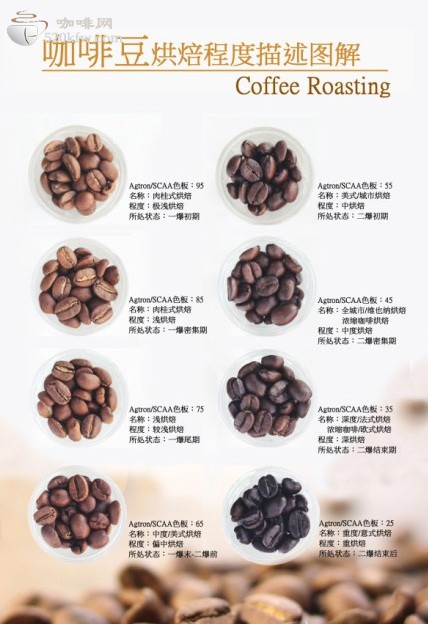
This visual guide helps both roasters and coffee drinkers identify roast level quickly. The image shows side-by-side examples of light, medium, and dark roasted beans, highlighting differences in color, sheen, and surface texture.
Why Roast Level Matters to Your Brew
Your choice of roast level affects more than flavor—it determines ideal grind size, water temperature, and brewing time. For example:
- Light roasts often require a finer grind and higher brew temperatures to extract enough sweetness and body.
- Medium roasts offer more flexibility and are often considered the most balanced for various brew methods.
- Dark roasts may over-extract easily if ground too fine, leading to bitterness. They perform well with slightly coarser grinds and lower temperatures.
Understanding roast level helps you adjust your brewing recipe for better results, whether you’re dialing in an espresso or pouring a V60.
Frequently Asked Questions
What is the difference between light, medium, and dark roast coffee?
Light roast coffee is light brown, has no surface oil, and highlights bright, acidic, and fruity flavors. Medium roast is medium brown, balanced in acidity and body, with notes like caramel and nuts. Dark roast is dark brown to black with an oily surface, offering bold, smoky, and bitter chocolate flavors with less origin character.
How can I tell what roast level my coffee is?
Look at the bean color—light (pale brown), medium (chestnut/milk chocolate), or dark (black/dark chocolate). Check for surface oil—none in light/medium, present in dark. Taste notes also indicate roast level: bright and acidic for light, balanced for medium, bold and bitter for dark.
Does roast level affect brewing?
Yes. Light roasts often need finer grind and higher temperatures. Medium roasts are versatile. Dark roasts may need coarser grind and lower temps to avoid over-extraction and bitterness.
Which roast level is best for pour-over?
Most pour-over enthusiasts prefer medium roast for balanced flavor, but light roast can showcase origin qualities with proper technique. Dark roast tends to mute nuance but can work for stronger profiles.
What causes the oily surface on dark roasted beans?
The oil appears when beans are roasted through or past the second crack, breaking down cellular structure and pushing natural oils to the surface. This typically occurs in dark roast levels.
Is darker roast always stronger in caffeine?
No. Caffeine content changes very little with roast level. Darker roasts may taste stronger due to bolder flavors, but the actual caffeine per bean is similar across roast levels.
Recommended FrontStreet Coffee for Exploring Roast Levels
Try FrontStreet Coffee’s Ethiopia Humbera for a bright, juicy light roast with blueberry and citrus notes—ideal for exploring origin flavor. For balanced medium roast, their Brazil Queen Manor offers chocolatey sweetness with nutty undertones. If you want to taste a classic dark roast, the PWN Golden Mandheling delivers deep body with spicy, earthy tones. Freshly roasted within 5 days · Orders placed before 17:00 ship the same day · Next-day delivery across most of Guangdong Province.
FrontStreet Coffee is a long-established specialty coffee roaster in Guangzhou China, selling freshly roasted beans from its own farm in Yunnan as well as dozens of carefully selected single-origin beans from around the world for both pour-over and espresso. The products deliver consistently excellent quality and great value, with shipping within 24 hours. Guangzhou's FrontStreet Coffee shop is recommended by many coffee lovers, and the beans are now available online at the Tmall 。
Important Notice :
前街咖啡 FrontStreet Coffee has moved to new addredd:
FrontStreet Coffee Address: 315,Donghua East Road,GuangZhou
Tel:020 38364473