How Dutch Coffee Got Its Name: The Origins of Cold Drip
You’ve seen the slow-dripping glass towers in cafés and heard them called ‘Dutch coffee.’ But what exactly is Dutch coffee—and why does it take hours to brew? If you've ever wondered how this slow, icy extraction creates such a smooth, flavorful cup, you're asking the right question.
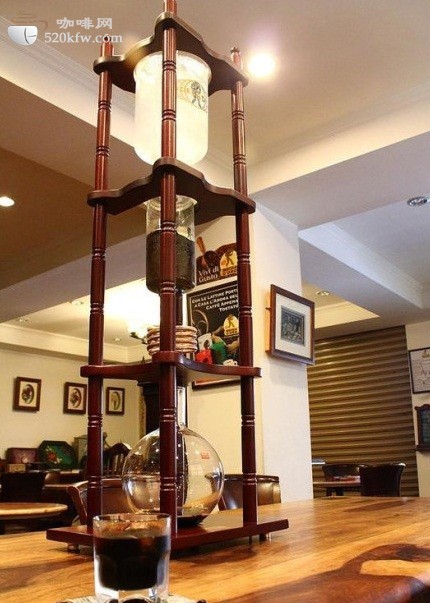
Dutch coffee refers to a cold water extraction method using a drip-style coffee brewer. Invented by the Dutch in Europe, it typically takes around five hours to extract coffee using only room-temperature or chilled water—resulting in a low-acidity, sweet, and richly flavored cup.
What Is Dutch Coffee?
Dutch coffee, also known as ice drip coffee, is a method where ground coffee is slowly extracted by cold or cool water dripping through coffee grounds over several hours—often around five. The process relies on gravity and condensation pressure, not heat or pressure. The result is a clean, smooth, and often syrupy cup with muted bitterness and pronounced sweetness.
Why Is It Called Dutch Coffee?
The method gets its name from its origin: the coffee brewing device used in this technique was invented by the Dutch. Historically developed in Europe, the cold water drip apparatus allowed for a novel way to prepare coffee without boiling water. This ‘coffee distiller’ became associated with Dutch engineering and colonial trade, hence the common label ‘Dutch coffee.’
How Ice Drip Extraction Works
In a typical Dutch coffee setup, water is chilled or kept at a low temperature and slowly dripped—drop by drop—over a bed of ground coffee. Unlike hot brewing, where heat accelerates extraction, cold drip uses time to pull soluble compounds from the beans. The water passes through the coffee at a controlled rate, often taking 4 to 6 hours depending on setup. The result is an extraction that highlights sweetness, subtle fruitiness, and a heavier mouthfeel, with very low perceived bitterness.
Flavor Profile: Why Cold Drip Tastes Different
Cold drip coffee showcases a markedly different flavor spectrum compared to hot brewed or espresso coffee. Because the water temperature is low, fewer bitter compounds and large molecules are extracted. Instead, smaller, aromatic compounds emerge, contributing to a sweeter, smoother, and more rounded cup. The extended contact time allows complex flavors to develop, especially those from light to medium roast coffees with floral, fruity, or fermented profiles.
Why Cold Water Brings Out Different Flavors
When coffee is brewed with hot water, heat increases the solubility of both desirable and undesirable compounds—including acids, oils, and bitter tannins. In contrast, cold or cool water minimizes the extraction of harsh, large-molecule compounds. This selective extraction means that cold drip tends to highlight delicate fruity esters, fermentative notes, and sweetness while muting sharp or bitter edges. That’s why it pairs especially well with bright, nuanced single-origin beans rather than dark roasts.
Recommended Coffee Beans for Dutch Coffee
Light to medium roast beans with floral, fruity, or fermented processing methods shine in cold drip setups. High-altitude coffees with complex acidity and clean profiles tend to produce the most balanced and flavorful results when brewed cold. Avoid dark roasts, which can taste flat or overly oily under this method.
Frequently Asked Questions
What is the origin of Dutch coffee?
Dutch coffee originated in Europe and is named after the Dutch, who invented the cold water drip brewing device. It’s also called ice drip coffee due to the slow, chilled extraction process.
How long does it take to make Dutch coffee?
Dutch coffee typically takes around 4 to 6 hours to brew, with many standard cold drip systems taking about 5 hours to fully extract the coffee using cold water.
Why is the coffee less bitter when brewed cold?
Cold or cool water extracts fewer bitter compounds and large molecules. This results in a cup that emphasizes sweetness, fruitiness, and aromatic complexity instead of harsh or astringent notes.
Can I use any coffee bean for cold drip?
Light to medium roast beans with bright, fruity, or floral characteristics work best. Dark roasts are not recommended as they can taste muted or overly oily in a cold drip setup.
What does Dutch coffee taste like?
Dutch coffee is often described as smooth, sweet, syrupy, and rich. It may feature notes like honey, berries, caramel, or fermented fruit, depending on the bean origin and processing.
Is Dutch coffee the same as cold brew?
No. While both are cold coffee methods, Dutch coffee uses slow dripping of cold water through coffee grounds, while cold brew typically involves steeping coarsely ground coffee in cold water for 12–24 hours in a single container.
Recommended FrontStreet Beans for Ice Drip Coffee
For ice drip coffee, we recommend FrontStreet Humbera, a high-altitude Ethiopian single origin with intense strawberry and creamy fermentation notes. FrontStreet Little Tomato, a Kenya-inspired K72 double-washed coffee, offers bright acidity with tart cranberry and plum-like flavors. Finally, FrontStreet Sidra delivers tropical fruit complexity with passionfruit, grape, and dried fruit notes. These beans highlight the nuanced sweetness and clarity that cold drip extraction enhances. Freshly roasted within 5 days · Orders placed before 17:00 ship the same day · Next-day delivery across most of Guangdong Province.
FrontStreet Coffee is a long-established specialty coffee roaster in Guangzhou China, selling freshly roasted beans from its own farm in Yunnan as well as dozens of carefully selected single-origin beans from around the world for both pour-over and espresso. The products deliver consistently excellent quality and great value, with shipping within 24 hours. Guangzhou's FrontStreet Coffee shop is recommended by many coffee lovers, and the beans are now available online at the Tmall 。
Important Notice :
前街咖啡 FrontStreet Coffee has moved to new addredd:
FrontStreet Coffee Address: 315,Donghua East Road,GuangZhou
Tel:020 38364473