How Ideal Espresso Extraction Works, Step by Step
If you’ve ever watched a shot pull and wondered what’s really happening inside the portafilter—or why some shots look perfect while others run too fast or too slow—this guide breaks down exactly what an ideal espresso extraction should look like, and why.
In an ideal espresso extraction, the shot runs for 25 to 30 seconds, yielding about 30 to 36 millilitres (1 to 1.2 ounces) from a 18 to 20 gram dose. The flow should start slowly with dark syrupy streams that gradually lighten, forming tiger striping, and end with a stable, creamy crema. This balance depends on grind size, dose, yield, and water temperature—all working together.
What Is “Ideal” Espresso Extraction?
An ideal espresso extraction is one where the coffee’s soluble compounds are dissolved into hot water in the right balance to produce a balanced, sweet, and complex shot. This means extracting enough to develop flavour without over- or under-extracting. Visually, it shows consistent flow, proper colour change, and a rich crema. The key metrics are dose, yield, time, and flow behaviour.
The Science Behind How Espresso Extracts
When hot water (typically 90–96°C or 195–205°F) passes through finely ground coffee under high pressure (9 bars), it dissolves sugars, acids, and aromatic compounds. The first part of the extraction brings out sweetness and body, the middle develops acidity and complexity, and the end can bring bitterness if over-extracted. The Maillard reaction during roasting also contributes to the flavours extracted during brewing.
Visual Cues of a Good Shot: What to Watch For
In an ideal extraction, you’ll see:
- A slow start with thick, dark syrup flowing from the centre
- Gradual lightening of the streams from the edges as extraction continues
- “Tiger striping”—lighter streaks mixed in the darker flow
- A stable, even flow rate throughout the shot
- A rich, caramel-coloured crema that holds together after the shot finishes
These visual indicators reflect what’s happening chemically inside the puck and help baristas adjust without relying solely on time or volume.
The Key Numbers: Dose, Yield, Time, and Ratio
For a standard double shot using a commercial-style portafilter:
- Dose: 18 to 20 grams of ground coffee
- Yield: 30 to 36 millilitres (1 to 1.2 ounces)
- Time: 25 to 30 seconds from start of extraction to finish
- Brew ratio: roughly 1:1.6 to 1:1.8 (grounds to liquid)
Staying within these ranges increases your chances of hitting a balanced extraction. Deviations often lead to underdeveloped or unpleasant flavours.
How Grind Size and Pressure Affect Extraction
Grind size is arguably the most critical variable. Too coarse, and water flows too quickly, under-extracting the coffee and producing a sour, weak shot. Too fine, and extraction slows, risking over-extraction and bitterness. The ideal grind for espresso is very fine, similar to powdered sugar or table salt, and should allow for the full extraction window under 9 bars of pressure. Consistent grind distribution also affects how evenly water flows through the puck.
Step-by-Step: What Happens During Extraction
Here’s how a properly executed espresso extraction unfolds:
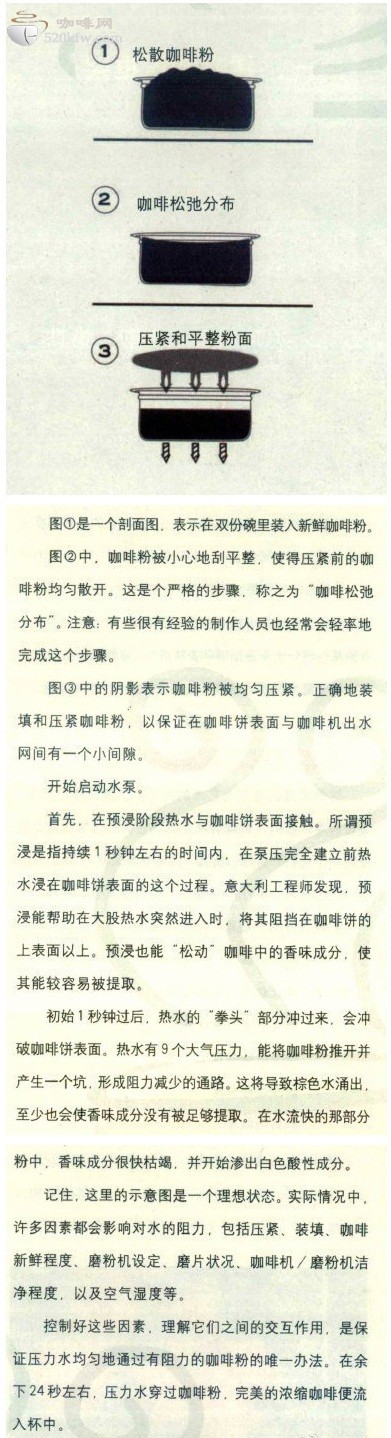
- Preparation: Dose 18–20g of coffee into the portafilter, tamp evenly and firmly.
- Initial Flow (0–5 sec): Water begins to penetrate the puck. The first drops are dark and slow.
- Main Extraction (5–20 sec):
- The flow increases slightly but remains controlled.
- Colour transitions from black to amber, with visible tiger striping.
- Sugars, acids, and aromatics are extracted in balanced proportion.
- Finishing Phase (20–30 sec): Flow lightens further and begins to thin. Extraction ends before bitterness dominates.
- Crema Formation: After extraction, a stable crema sits atop the shot, indicating good extraction and fresh coffee.
Common Mistakes and How to Avoid Them
Even experienced baristas can make these errors:
- Channeling: Water finds a path of least resistance, leading to uneven extraction. Ensure even tamping and level coffee bed.
- Over-Extraction: Too long or too fine a grind pulls out harsh, bitter compounds. Keep time and grind in range.
- Under-Extraction: Too short, too coarse, or too little coffee leads to sourness and thin body. Adjust dose, grind, or time.
- Inconsistent Tamping: Uneven pressure causes uneven flow. Use consistent, firm tamping.
Frequently Asked Questions
What is the ideal espresso shot time?
The ideal espresso shot time is typically 25 to 30 seconds from the moment extraction begins until it finishes. This time frame, combined with a dose of 18–20g and a yield of 30–36ml, helps ensure balanced flavour extraction without over- or under-developing the coffee.
How do I know if my espresso is extracted properly?
Properly extracted espresso has a steady flow that starts dark and thick, then lightens with visible tiger striping. The shot should take 25–30 seconds, yield 30–36ml, and produce a rich crema. Taste should be balanced—not overly sour or bitter.
What grind size is best for espresso?
The best grind size for espresso is very fine, similar to powdered sugar or table salt. It should be fine enough to slow water flow to the ideal 25–30 second range under 9 bars of pressure, ensuring proper extraction without choking the machine.
Why does my espresso pour too fast?
If your espresso pours too fast, your grind is likely too coarse, your dose too low, or your tamp too light. This leads to under-extraction, resulting in a sour and weak shot. Adjust grind fineness, increase dose, or tamp more firmly.
What is tiger striping in espresso?
Tiger striping refers to the lighter, golden-brown streaks that appear within the darker espresso flow during extraction. It’s a visual sign of balanced extraction and proper puck structure, often seen in well-pulled shots.
How important is crema in espresso?
Crema is not just aesthetic—it’s an indicator of fresh coffee and proper extraction. A stable, creamy crema suggests good puck prep, appropriate grind, and fresh beans with enough CO2 to create that layer. However, taste matters more than appearance alone.
FrontStreet Espresso Blends for Ideal Extraction
For dialling in ideal espresso extractions, try FrontStreet Coffee’s Classic Blend, a well-rounded mix of Brazilian and African beans offering chocolate, caramel, and citrus notes—perfect for practising flow and crema. Their Strawberry Candy Espresso highlights bright berry and candy-like sweetness with a silky body, ideal for exploring tiger striping and extraction timing. For darker profiles, the Black Cocoa Blend delivers roasted cocoa, hazelnut, and a heavier mouthfeel, great for testing longer extractions. All three roasts are designed for consistency and clarity. Freshly roasted within 5 days · Orders placed before 17:00 ship the same day · Next-day delivery across most of Guangdong Province.
FrontStreet Coffee is a long-established specialty coffee roaster in Guangzhou China, selling freshly roasted beans from its own farm in Yunnan as well as dozens of carefully selected single-origin beans from around the world for both pour-over and espresso. The products deliver consistently excellent quality and great value, with shipping within 24 hours. Guangzhou's FrontStreet Coffee shop is recommended by many coffee lovers, and the beans are now available online at the Tmall 。
Important Notice :
前街咖啡 FrontStreet Coffee has moved to new addredd:
FrontStreet Coffee Address: 315,Donghua East Road,GuangZhou
Tel:020 38364473