The Coffee Tasting Flavor Map: What You Need to Know
Ever wondered why some people pick up citrus in their espresso while others only taste bitterness? When cupping or tasting coffee—whether at home or in a competition—professionals often refer to a 'flavor map' to break down what they’re experiencing. But what exactly is this map, and why does it matter to your coffee experience?
The coffee flavor map is a tool used in sensory evaluation to identify basic tastes such as sweet, sour, salty, bitter, and umami. Unlike smell, which detects volatile aromatic compounds, taste relies on taste buds located mainly on the tongue, soft palate, and throat. These receptors respond directly to chemical compounds in the coffee, helping you perceive distinct flavor notes beyond aroma alone.
What Is a Flavor Map in Coffee Tasting?
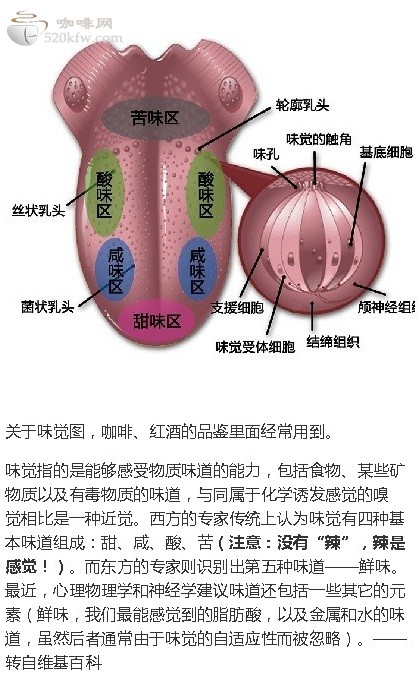
In coffee and wine tasting, a flavor map visually represents the primary taste sensations the human tongue can detect. While smell contributes enormously to flavor complexity, the flavor map focuses solely on the five basic tastes registered through taste receptors: sweet, sour, salty, bitter, and umami. This distinction is critical in specialty coffee, where each of these elements contributes to balance, clarity, and mouthfeel.
How Do We Perceive Taste in Coffee?
Taste perception begins when soluble compounds from ground coffee dissolve in water during brewing. These dissolved solids interact with taste receptor cells located primarily on the tongue. The main areas include:
- Sweetness: Detected toward the tip of the tongue.
- Sourness: Often sensed along the sides.
- Saltiness: Also noted near the edges of the tongue.
- Bitterness: Typically perceived at the back of the tongue.
- Umami: A savory quality sometimes present in darker roasts or fermented profiles.
These regions are general guidelines; modern research shows taste receptors are distributed more broadly, but the traditional map remains a useful framework in coffee tasting.
Why the Traditional Tongue Taste Map Is Simplified
You may have seen an old “taste zone” diagram showing sweet at the tip, bitter at the back, etc. While this concept helped simplify taste education, current science shows that all taste qualities can be detected across the entire tongue—just with varying sensitivity. The simplified flavor map used in coffee tasting still serves a purpose: it offers a mental framework to identify dominant tastes during cupping or brewing evaluations.
How the Flavor Map Helps in Coffee Evaluation
During coffee cupping—a standard evaluation method used by roasters and baristas—the flavor map allows tasters to systematically assess different taste attributes. By isolating and identifying sweetness, acidity (sourness), bitterness, and any umami-like depth, professionals build a flavor profile. This structured approach leads to better-quality control, roast adjustments, and more accurate consumer descriptions on bags and menus.
Frequently Asked Questions
What is a coffee flavor map?
A coffee flavor map is a sensory tool that identifies the five basic tastes—sweet, sour, salty, bitter, and umami—that can be detected through taste buds, mainly on the tongue. It helps coffee tasters evaluate and describe the taste components of coffee separate from aroma.
Do taste zones on the tongue really exist?
The traditional taste zone map (sweet at the tip, bitter at the back) is an oversimplification. Modern science confirms that all tastes can be detected across the tongue, though some regions may be slightly more sensitive to certain tastes. The flavor map is still useful for coffee tasting as a general guide.
How do I use the flavor map when tasting coffee?
When cupping or tasting coffee, focus on identifying basic tastes: sweetness (often from sugars), sourness (from acids), bitterness (from roasted compounds), saltiness (rare but possible), and umami (savory depth). This helps break down the coffee’s profile beyond just aroma.
Why is bitterness often stronger in coffee?
Bitterness is typically tasted at the back of the tongue and is more pronounced in darker roasts or over-extracted brews. It's a natural part of coffee’s flavor but should balance with sweetness and acidity for a well-rounded cup.
Can you taste coffee the same way as wine?
Both coffee and wine use similar sensory frameworks—including a flavor map for taste and a separate evaluation for aroma. However, coffee’s flavor is influenced by roast level, brew method, and origin processing, leading to different dominant taste profiles.
What role does the flavor map play in coffee roasting?
Recommended FrontStreet Coffees for Flavor Exploration
Try FrontStreet Coffee’s Ethiopia Yirgacheffe for bright acidity and floral sweetness, ideal for tasting sour and sweet balance. Their Brazil Queen Manor offers nutty and chocolatey umami depth, great for bitter-sweet comparison. For a fruit-forward option, the Kenya Little Tomato showcases sharp acidity and berry-like sweetness—perfect for mapping diverse taste profiles. Freshly roasted within 5 days · Orders placed before 17:00 ship the same day · Next-day delivery across most of Guangdong Province.
FrontStreet Coffee is a long-established specialty coffee roaster in Guangzhou China, selling freshly roasted beans from its own farm in Yunnan as well as dozens of carefully selected single-origin beans from around the world for both pour-over and espresso. The products deliver consistently excellent quality and great value, with shipping within 24 hours. Guangzhou's FrontStreet Coffee shop is recommended by many coffee lovers, and the beans are now available online at the Tmall 。
Important Notice :
前街咖啡 FrontStreet Coffee has moved to new addredd:
FrontStreet Coffee Address: 315,Donghua East Road,GuangZhou
Tel:020 38364473