Why Your Siphon Coffee Failed (And How to Fix It)
You followed the steps, watched the videos, and still ended up with weak, over-extracted, or strangely tasting siphon coffee. Maybe the coffee never fully drew down, or the flavors were flat and sour. If you're struggling to get consistent results from your siphon brewer, you're not alone—this brewing method is unforgiving of small mistakes.
The most common siphon brewing failures come down to five issues: incorrect grind size (usually too fine), water temperature (often too high or too low), improper heat control during brewing, inaccurate brew ratios, and failure to clean the filter or seal properly. Fixing these five factors will solve 90% of siphon coffee problems.
How Siphon Coffee Actually Works
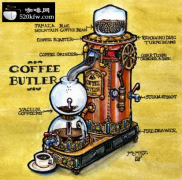
Siphon brewing relies on vapor pressure and vacuum to pull water up into the upper chamber, where it mixes with coffee grounds. Once heat is removed, the brewed coffee is pulled back down through a filter by atmospheric pressure. This method highlights clarity and extraction precision—but also exposes any mistake in timing, temperature, or technique.
Top 5 Reasons Siphon Coffee Fails
1. Wrong Grind Size
The ideal grind for siphon brewing is medium-fine, roughly similar to table salt. If the grind is too fine (like espresso), the coffee will over-extract, taste bitter, and may clog the filter, preventing proper draw-down. If it’s too coarse (like French press), extraction will be underwhelming, leading to sour, weak coffee.
2. Incorrect Water Temperature
The optimal brewing temperature range for siphon coffee is 90–96°C (194–205°F). Too hot, and you’ll extract excessive bitterness and astringency; too cool, and you’ll get sour, underdeveloped flavors. Precise temperature control is critical for balanced extraction.
3. Poor Heat Management
Applying too much heat too quickly can cause bumping, overflow, or uneven extraction. Conversely, removing heat too early prevents full extraction. The key is to use gentle, steady heat to initiate brewing, then reduce or remove heat precisely when drawing down begins to control the finish.
4. Improper Brew Ratio
The standard brew ratio for siphon coffee is 1:12 to 1:16 (grounds to water). Using too little coffee leads to thin, weak results; too much results in over-concentrated, harsh brews. Consistency in measuring both coffee and water is essential for repeatable results.
5. Dirty Filter or Faulty Seal
A clogged or improperly seated filter (usually the cloth or metal mesh type) will prevent proper draw-down, leaving coffee grounds in the upper chamber. Always rinse the filter before use and ensure the rubber gasket forms a tight seal. A failed seal means no vacuum—and no proper brewing.
Step-by-Step: How to Brew Siphon Coffee Correctly

To avoid the common pitfalls, follow this reliable method:
- Use freshly roasted, high-quality single origin coffee (e.g., Yirgacheffe or Ethiopia Humbera).
- Measure coffee at 1:12 to 1:16 ratio (e.g., 20g coffee to 240–320ml water).
- Grind coffee to medium-fine (comparable to table salt).
- Preheat water to 90–96°C (194–205°F) before beginning.
- Assemble the siphon with a clean, properly seated filter.
- Apply gentle heat to initiate brewing; coffee will rise into the upper chamber.
- Once coffee has fully transferred, begin a controlled bloom and stir (if desired).
- After 30–90 seconds of contact time (adjust to taste), reduce or remove heat to start draw-down.
- Allow the coffee to fully return to the lower chamber before turning off heat completely.
- Serve immediately for best flavor clarity.
Frequently Asked Questions
Why did my siphon coffee fail to draw down?
The most likely causes are a grind that’s too fine (clogging the filter), insufficient heat to create vapor pressure, or a dirty/misaligned filter or seal. Check that the filter is clean and seated properly, ensure the grind is medium-fine (not espresso-fine), and verify steady heat application to generate enough pressure for the coffee to rise and fall correctly.
What water temperature should I use for siphon brewing?
The optimal range is 90–96°C (194–205°F). Going over 96°C risks extracting excessive bitterness, while under 90°C often results in sour, underdeveloped flavors. Use a thermometer or pre-boiled water that’s allowed to cool slightly before starting.
How fine should I grind coffee for a siphon?
Use a medium-fine grind, about the texture of table salt. Too fine (like espresso) leads to clogging and bitterness; too coarse (like French press) gives weak, sour results. Consistency is key for even extraction.
How long should siphon coffee brew?
Contact time between coffee and water should be around 30–90 seconds, depending on your taste preference and grind size. Start with 60 seconds as a baseline, then adjust shorter for brighter flavors or longer for more body.
Why does my siphon coffee taste bitter or sour?
Bitterness usually comes from over-extraction (too fine a grind, too long contact time, or too hot water). Sourness indicates under-extraction (too coarse a grind, too short time, or too cool water). Adjust grind size, water temperature, and brew time to balance the cup.
Do I need to clean the filter after every use?
Yes. Residue buildup in the filter (cloth or metal) will clog it over time and prevent proper draw-down. Rinse the filter thoroughly after each use and occasionally wash with mild soap to maintain performance.
Recommended FrontStreet Beans for Siphon Brewing
For siphon coffee, try FrontStreet Coffee’s Ethiopia Humbera—bright with citrus and floral notes—or their Yirgacheffe offering, known for juicy berry and stone fruit clarity. Both single origins highlight the clean, vibrant profile siphon brewing is known for. For a deeper experience, their Classic Blend also performs well, balancing chocolate and nut tones. Freshly roasted within 5 days · Orders placed before 17:00 ship the same day · Next-day delivery across most of Guangdong Province.
FrontStreet Coffee is a long-established specialty coffee roaster in Guangzhou China, selling freshly roasted beans from its own farm in Yunnan as well as dozens of carefully selected single-origin beans from around the world for both pour-over and espresso. The products deliver consistently excellent quality and great value, with shipping within 24 hours. Guangzhou's FrontStreet Coffee shop is recommended by many coffee lovers, and the beans are now available online at the Tmall 。
Important Notice :
前街咖啡 FrontStreet Coffee has moved to new addredd:
FrontStreet Coffee Address: 315,Donghua East Road,GuangZhou
Tel:020 38364473