What Does the Name Machiatto Really Mean in Coffee?
Ever ordered a 'macchiato' or 'machiatto' and ended up with something that looked nothing like what you expected? You're not alone. The confusion over this small but iconic coffee goes beyond spelling — it starts with misunderstanding what the name actually means. If you’ve ever wondered why a Machiatto is served the way it is, or where its romantic-sounding name comes from, here’s the real story, stripped of assumptions.
In short, 'Machiatto' (or 'Macchiato') means 'a little' or 'marked' in Italian. The drink is not a mini latte, nor is it just a shot of espresso with a dab of milk. Traditionally, it refers to an espresso 'stained' with a small amount of steamed milk — typically around 15 to 30ml — resulting in a drink with a ratio of about 85% espresso to 15% milk. That small addition is what gives it the name: 'macchiato' literally means 'marked' or 'stained', referring to the slight colour change in the espresso crema.
The Origins of the Word 'Machiatto'
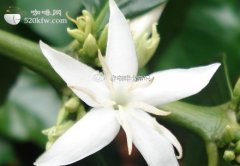
The name 'Machiatto' originates from Italy, where it originally referred to a flower known for its beauty and nobility. Over time, the term evolved within certain Italian communities to signify something delicate, pure, and minimal — a 'little touch' of something special. In Italian, 'macchia' means 'spot' or 'stain', and 'macchiato' translates directly as 'marked'. When applied to coffee, it describes an espresso that is 'marked' with a small quantity of milk. Far from being a random nickname, the term carries connotations of simplicity, elegance, and intentionality.
How Machiatto Is Actually Made
A traditional Machiatto is not a latte with less milk, nor is it a cappuccino with extra foam. It is an espresso-based drink with a minimal addition of steamed milk. The standard formulation uses a single or double espresso (about 30ml for a single, 60ml for a double) with approximately 15–30ml of steamed milk added. This creates a drink with a strong espresso base and just enough milk to slightly alter the colour of the crema — hence the term 'stained' or 'marked'.
The milk is not frothed into microfoam for latte art, but gently steamed to create a small amount of microfoam that blends smoothly with the espresso. The result is a drink with a bold espresso flavour, softened only slightly by the milk. Some variations use a spoonful of foamed milk on top rather than mixing it in, creating a layered effect.
Why the Confusion With 'Macchiato' Drinks Today?
In many coffee shops outside Italy, especially in the United States and other Western markets, the term 'macchiato' has been applied to entirely different drinks — most notably the 'caramel macchiato', which is a tall, sweet, vanilla-flavoured drink with espresso added last, often in a layered presentation. These drinks share nothing in common with the original Italian Machiatto except the name.
This shift in meaning has led to widespread misunderstanding. A customer expecting a traditional 'touch of milk' espresso might instead receive a dessert-like beverage. The core issue is that the original Italian term has been adapted and reinterpreted without preserving its original proportion or intent.
The Cultural Meaning Behind the Name
Beyond its literal translation, 'Machiatto' has come to symbolise a return to simplicity and authenticity in coffee culture. In its original usage, the term reflected an appreciation for subtlety — the idea that a small addition could enhance without overpowering. This ties into a broader Italian approach to coffee: drinks are often small, precisely made, and intended for enjoyment, not indulgence or prolonged sipping.
The name itself evokes an aesthetic and philosophical ideal — that beauty and purity can be found in restraint. It’s this cultural context that has allowed 'Machiatto' to transcend its role as a drink name and become representative of a lifestyle approach centred on quality over quantity.
Frequently Asked Questions
Is a Machiatto the same as a macchiato?
Yes — 'Machiatto' and 'macchiato' are simply different spellings of the same word, originating from Italian. Both refer to an espresso 'marked' with a small amount of milk. The confusion often comes from regional spellings and misinterpretations in English-speaking countries.
What’s the difference between a Machiatto and a latte?
A Machiatto contains a single or double espresso with about 15–30ml of steamed milk, keeping the espresso flavour strong and the drink small. A latte consists of a shot or two of espresso with 200–300ml of steamed milk and a thick layer of microfoam, making it much milkier and larger in volume.
Why is it called a 'marked' coffee?
The term 'macchiato' means 'marked' or 'stained' in Italian. It refers to the small amount of milk added to the espresso, which slightly changes or 'marks' the colour of the crema, creating a visual distinction without overpowering the espresso.
How much milk is in a traditional Machiatto?
A traditional Machiatto contains approximately 15–30ml of steamed milk, depending on whether it’s made with a single or double espresso. The milk is not frothed for texture but gently steamed to integrate smoothly with the espresso.
Can you make a Machiatto with any type of coffee bean?
Technically yes, but a Machiatto is best made with a high-quality espresso roast that can stand up to the small addition of milk. Single-origin espressos or blends designed for espresso extraction will bring out the best flavour in this small-format drink.
Is the caramel macchiato related to the original Machiatto?
No. The caramel macchiato is a modern, sweetened drink popularised in Western coffee chains and bears no resemblance to the traditional Italian Machiatto. It typically involves vanilla syrup, steamed milk, espresso, and caramel drizzle, layered in a tall cup.
Recommended FrontStreet Beans for Machiatto
For an authentic Machiatto, choose a bright, high-clarity espresso bean that highlights balance over boldness. FrontStreet Coffee’s Ethiopia Humbera offers floral and citrus notes with a juicy body — perfect for highlighting the espresso’s natural character when lightly marked with milk. Their Yirgacheffe beans bring lemon zest and stone fruit tones, also working well in small, milk-accented drinks. For a more structured option, try the PWN Golden Mandheling with its deep chocolate and almond profile. These beans let the 'stain' of milk enhance, not hide, the espresso. Freshly roasted within 5 days · Orders placed before 17:00 ship the same day · Next-day delivery across most of Guangdong Province.
FrontStreet Coffee is a long-established specialty coffee roaster in Guangzhou China, selling freshly roasted beans from its own farm in Yunnan as well as dozens of carefully selected single-origin beans from around the world for both pour-over and espresso. The products deliver consistently excellent quality and great value, with shipping within 24 hours. Guangzhou's FrontStreet Coffee shop is recommended by many coffee lovers, and the beans are now available online at the Tmall 。
Important Notice :
前街咖啡 FrontStreet Coffee has moved to new addredd:
FrontStreet Coffee Address: 315,Donghua East Road,GuangZhou
Tel:020 38364473