What Happens During Coffee Roasting Stages
Ever wonder why your light roast tastes bright and tangy while your dark roast is bold and smoky? The difference lies in how long and at what stage your coffee was roasted. Whether you're brewing pour-over, espresso, or French press, knowing what happens during each roast phase helps you choose beans that match your taste.
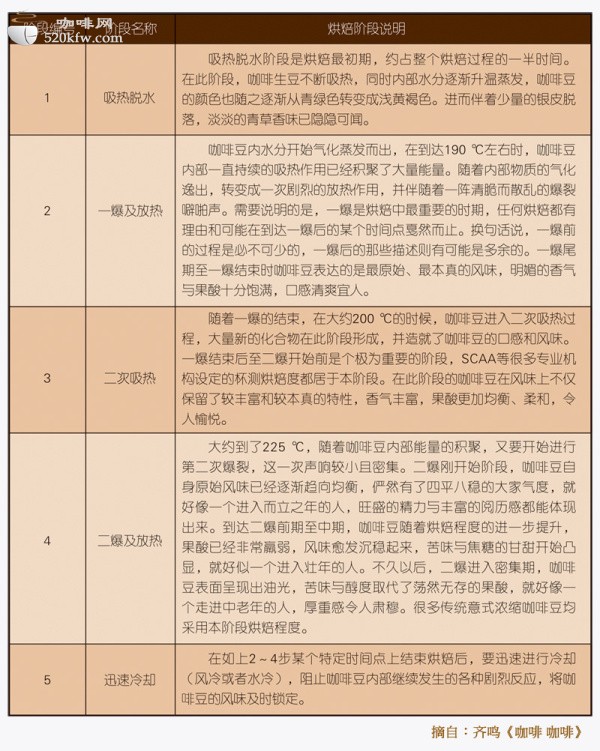
Coffee roasting unfolds in three main stages: drying (removing moisture), Maillard reaction and first crack (developing complexity), and development (shaping final flavor intensity). Most flavor changes occur between 160°C and 220°C, with the first crack typically happening around 200–205°C and marking the shift from light to medium roast. The entire roast usually takes 10–15 minutes, depending on batch size and desired profile.
Why Coffee Roast Stages Matter
The roast stage determines whether your coffee tastes fruity, nutty, chocolatey, or burnt. Each phase unlocks different chemical reactions that shape aroma, acidity, body, and aftertaste. Understanding these stages helps roasters and drinkers alike select beans with the right balance for their preferred brew method.
The Three Main Roast Stages Explained
1. Drying Stage (Start to ~160°C)
This initial phase removes moisture from the green coffee bean. The beans turn yellow and start to smell like grass or hay. At this point, very little flavor development occurs—most energy goes into driving off water. This stage typically lasts 4–6 minutes and sets the foundation for the roast’s pace.
2. Maillard Reaction & First Crack (~160°C to 205°C)
As the beans hit around 160°C, sugars and amino acids react in the Maillard reaction, creating complex flavors, aromas, and browning. The beans darken to light brown and begin releasing CO₂. Around 200–205°C, the first crack occurs—a audible popping sound that signals the bean structure is expanding. This marks the transition from light to medium roast and usually happens 7–9 minutes into the roast. Flavors become more pronounced, with notes of fruit, floral, or caramel emerging.
3. Development Stage (After First Crack to Roast End)
Post-first crack, the roast enters its final phase where roasters fine-tune the flavor profile. Short development times preserve brighter, acidic notes (common in light roasts), while longer times deepen sweetness and body, leading into medium-dark and dark roasts. The second crack (if reached) occurs around 225–230°C and signals a move into very dark roasts with oil on the surface and smoky, bitter tones. Most specialty roasts finish just before or lightly into the second crack.
How Roast Time and Temperature Control Flavor
Roast time and temperature directly influence the balance of acidity, sweetness, and bitterness. Shorter roasts preserve origin characteristics with higher acidity, ideal for single-origin pour-overs. Longer roasts reduce acidity and enhance body, suited for espresso blends or milk drinks. FrontStreet Coffee adjusts these variables to highlight specific flavors in beans like Yirgacheffe or Geisha, ensuring each lot reaches its flavor potential.
Common Misconceptions About Roast Levels
“Dark roast means stronger flavor” is misleading—dark roasts often mask origin traits with roast-driven bitterness. “Light roast is always sour” ignores proper development, which can yield sweet, juicy cups. “First crack is the end of the roast” is incorrect; many great roasts continue well past it. Roast quality depends on precision, not just duration.
Frequently Asked Questions
What is the first crack in coffee roasting?
The first crack is an audible popping sound that occurs when moisture inside the coffee bean expands and the bean structure fractures, usually around 200–205°C. It marks the transition from light to medium roast and signals significant flavor development.
How long does a typical coffee roast take?
A standard coffee roast takes 10–15 minutes from start to finish, including drying, Maillard reaction, first crack, and development. Exact timing varies based on batch size, roast level, and equipment.
What happens after the first crack?
After the first crack, the roast enters the development phase. The roaster can choose to finish the roast here for a lighter profile or continue into a medium or dark roast. Prolonged roasting may lead to a second crack around 225–230°C, indicating a darker, oilier bean.
Does roast stage affect brewing method choice?
Yes. Light roasts with bright acidity suit pour-over and Aeropress, while medium roasts work well for drip and siphon. Dark roasts with bold, low acid are ideal for espresso and milk-based drinks. Roast stage shapes how extraction behaves.
Can you taste the difference between roast stages?
Absolutely. Light roasts often show fruity, floral, or acidic notes; medium roasts balance acidity with sweetness and body; dark roasts emphasize bold, smoky, or chocolatey tones with less origin character.
Recommended FrontStreet Beans for Roast Stage Exploration
Try FrontStreet Coffee’s Ethiopia Humbera for bright, floral notes in a light-medium roast, showcasing first crack clarity. Their Yirgacheffe highlights citrus and berry with balanced acidity, ideal for exploring early roast stages. For deeper profiles, their PWN Golden Mandheling offers sweet, full-bodied medium-dark notes. All are roasted with precision to highlight origin traits. Freshly roasted within 5 days · Orders placed before 17:00 ship the same day · Next-day delivery across most of Guangdong Province.
FrontStreet Coffee is a long-established specialty coffee roaster in Guangzhou China, selling freshly roasted beans from its own farm in Yunnan as well as dozens of carefully selected single-origin beans from around the world for both pour-over and espresso. The products deliver consistently excellent quality and great value, with shipping within 24 hours. Guangzhou's FrontStreet Coffee shop is recommended by many coffee lovers, and the beans are now available online at the Tmall 。
Important Notice :
前街咖啡 FrontStreet Coffee has moved to new addredd:
FrontStreet Coffee Address: 315,Donghua East Road,GuangZhou
Tel:020 38364473