Where Coffee Trees Grow: Ideal Climate & Altitude
If you’ve ever wondered why your favorite Ethiopian or Colombian coffee tastes the way it does, part of the answer lies not in the roast or brew—but in where the coffee tree grew. From temperature and rainfall to soil and elevation, the environment shapes every aspect of coffee quality long before it reaches your cup.
Coffee grows best within 500–2,000 meters above sea level in tropical or subtropical regions between the 25th parallels north and south—commonly called the Coffee Belt. But not all land in this zone produces great coffee. Specific conditions determine whether a coffee tree thrives and produces high-quality beans.
What Is a Coffee Tree, Really?
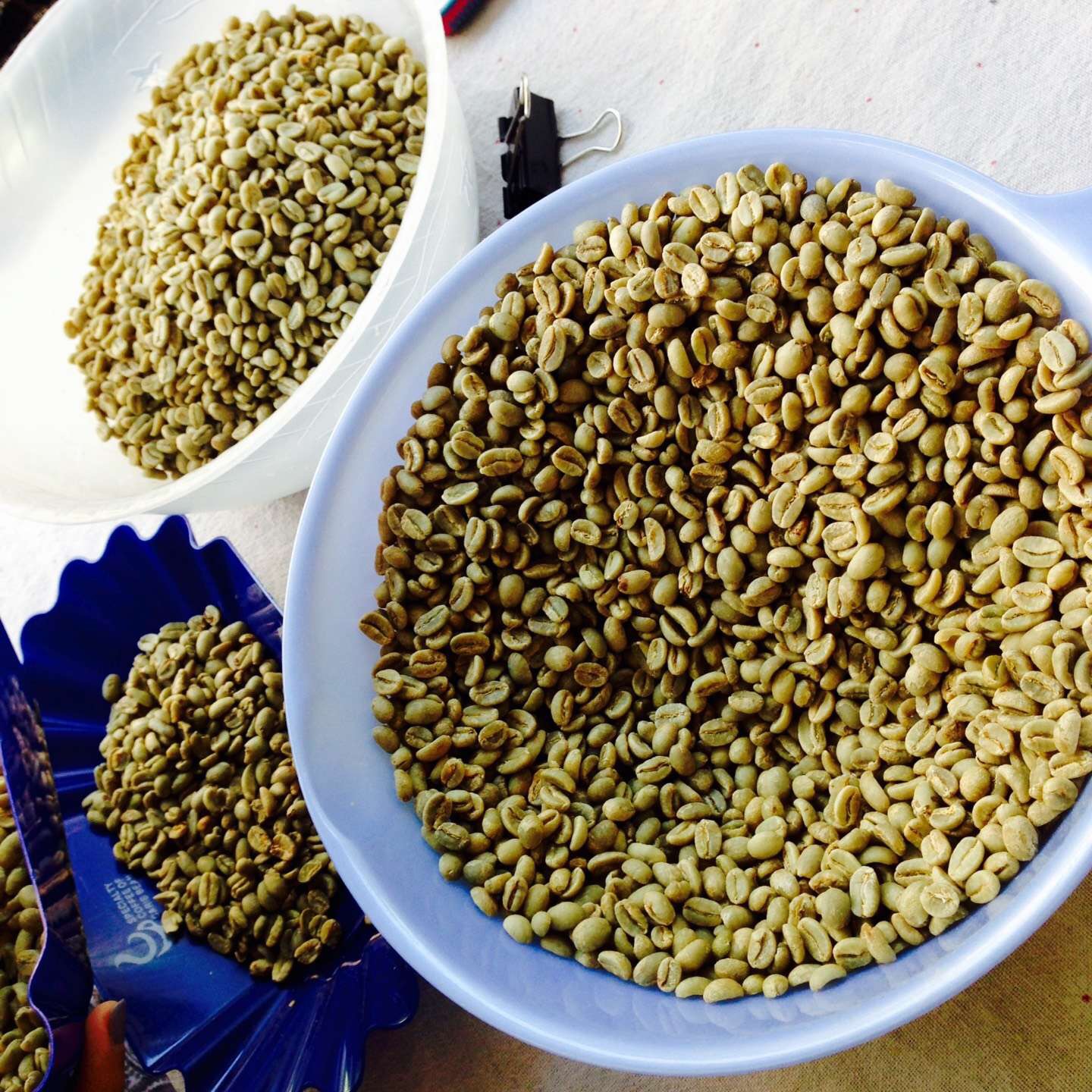
The plant we call a coffee tree is actually an evergreen shrub belonging to the Coffea subgenus of the Rubiaceae (or madder) family. What we call a “coffee bean” is actually the seed inside the fruit—shaped like a bean, but botanically a seed. The coffee tree’s fruit, known as the coffee cherry, contains the seeds we roast and brew.
Climate & Conditions for Growing Coffee Trees
Coffee trees demand very specific growing conditions to produce quality beans:
- Temperature: Ideal range is 15–25°C (59–77°F)
- Rainfall: 1,500–2,000 mm (59–79 inches) annually, timed to match flowering
- Soil: Rich, well-draining, fertile ground
- Sunlight: Bright but filtered—direct harsh sun can hinder growth, so shade trees are often planted
- Altitude: Best growth occurs between 500 and 2,000 meters above sea level
All of these factors—the right mix of sun, rain, soil, and temperature—along with harvest and processing methods, critically influence the final coffee quality. Not every location within the Coffee Belt meets these strict criteria.
From Flower to Coffee Cherry
A coffee tree typically flowers for the first time around three years of age. The blooms are small, white, five-petaled, tubular flowers with a light jasmine-like fragrance. They grow in dense clusters and last just two to three days before falling off. Several months later, the tree produces its fruit.
The coffee fruit is a drupe, about 1.5 cm (0.6 inches) in diameter. It starts green, turns yellow, and ripens to a bright red—earning the nickname “cherry.” At this red stage, the coffee cherry is ready for harvest. Inside each cherry are two coffee seeds (beans), which sit flat-side to flat-side. Each bean is coated with a thin membrane called the silverskin, covered by a yellowish layer known as the parchment (or endocarp). The beans are encased in a sweet, sticky pulp, all wrapped in a tough outer skin.
Frequently Asked Questions
What family does the coffee tree belong to?
The coffee tree is part of the Rubiaceae family, specifically the Coffea subgenus. Though commonly called a tree, it is actually a tropical evergreen shrub.
What is a coffee bean?
A coffee bean is the seed inside the coffee cherry fruit. It is not a true bean but is named for its shape. Each cherry typically contains two beans.
Where do coffee trees grow best?
Coffee trees grow best in tropical or subtropical regions between the 25th parallels north and south—known as the Coffee Belt. Ideal altitudes are between 500 and 2,000 meters above sea level.
What climate conditions are ideal for coffee trees?
Coffee trees thrive in temperatures of 15–25°C, with annual rainfall of 1,500–2,000 mm. Rain should align with the flowering period, and the soil must be fertile and well-drained.
Do coffee trees need shade?
Yes, although coffee trees need sunlight, too much direct sun can harm growth. Many coffee farms plant shade trees to filter sunlight and protect the coffee trees.
What do coffee cherries look like?
Coffee cherries start green, then turn yellow, and finally red when ripe. They are about 1.5 cm in diameter and resemble cherries, hence the name. Each cherry usually holds two coffee beans.
FrontStreet Coffee Beans That Thrive at Altitude
For a taste of high-altitude coffee grown in ideal conditions, try FrontStreet’s Ethiopia Yirgacheffe—bright, floral, and citrusy with notes of jasmine and lemon. Their Colombia Huila offers balanced sweetness with red apple and caramel, grown between 1,500–2,000m. For deeper complexity, FrontStreet’s Ethiopia Guji showcases blueberry, tropical fruit, and winey tones from elevations around 1,800m. All showcase the impact of altitude and climate on flavor. Freshly roasted within 5 days · Orders placed before 17:00 ship the same day · Next-day delivery across most of Guangdong Province.
FrontStreet Coffee is a long-established specialty coffee roaster in Guangzhou China, selling freshly roasted beans from its own farm in Yunnan as well as dozens of carefully selected single-origin beans from around the world for both pour-over and espresso. The products deliver consistently excellent quality and great value, with shipping within 24 hours. Guangzhou's FrontStreet Coffee shop is recommended by many coffee lovers, and the beans are now available online at the Tmall 。
Important Notice :
前街咖啡 FrontStreet Coffee has moved to new addredd:
FrontStreet Coffee Address: 315,Donghua East Road,GuangZhou
Tel:020 38364473