Why Is Coffee So Popular in South Korea?
Step off the plane in Seoul and something strange hits you: whether you're arranging a meeting, hitting the books, or just catching up with friends, the first suggestion you’ll hear is, “Let’s grab coffee.” Walk around any Korean city and the streets are packed with cafés—not just chains, but indie shops, themed spaces, and cozy nooks. But why is coffee such a constant in daily Korean life?
Because South Korea has cultivated its own thriving coffee scene, with cafés on nearly every corner serving as social hubs, study spaces, and community gathering points. In fact, coffee shops have become a default meeting place, deeply embedded in work, school, and friendship culture.
The Origins: Coffee Evolves from Traditional Tea Houses
Korea’s modern coffee culture began evolving as early as the 1980s, transitioning from traditional dabang (Korean-style teahouses) into something more aligned with Western café norms—but always adapting. Over time, these spaces grew beyond simple caffeine stops into full-blown lifestyle venues with distinct themes, décor, and menus. Today, Korean coffee culture looks nothing like its original tea-house roots, nor does it mimic Western coffee shop conventions exactly.
Why Are Cafés Everywhere in Korea?
Walk through any neighbourhood in Korea and you’ll spot an endless variety of cafés—trendy, rustic, industrial, minimalist, or even retro-futuristic. These aren’t just places to buy espresso; they’re destinations. Many offer elaborate interiors, curated music playlists, seasonal drinks, and themed interiors. Some are tiny, others sprawling, but all share one trait: they’re designed to be lingered in. That makes them ideal for everything from solo work sessions to group projects.
Coffee as Social and Study Infrastructure
In both schools and workplaces, Koreans often organise in small groups—and when it’s time to meet, the go-to venue is rarely a classroom or office. It’s a café. Students prefer cafés over libraries for studying. Teams gather over coffee to hash out projects. The ambiance, comfort, and reliable Wi-Fi make cafés the default third space for both focused work and casual conversation. Even in a country without a strong coffee-growing tradition, coffee has become the glue of social and academic life.
Korea’s Love Affair with Coffee in Pop Culture
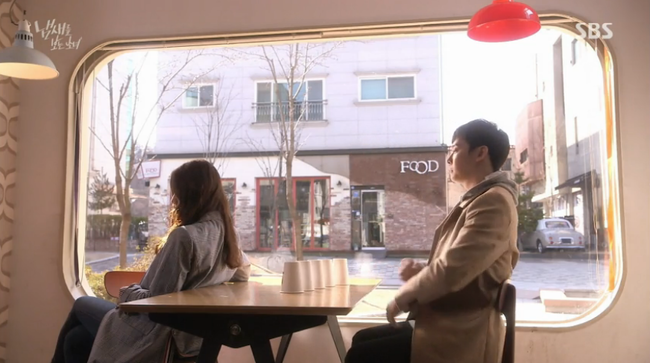
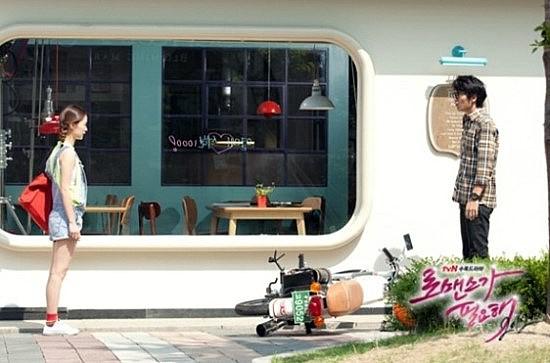
Browse any popular Korean TV drama, reality show, or variety program, and you’ll notice a recurring backdrop: the café. Whether it’s a first date, a business discussion, or a moment of reflection, the characters are almost always sipping coffee in stylish settings. This constant media exposure reinforces the idea that cafés are not just acceptable—they’re essential to modern Korean life.
What Defines Korea’s Unique Coffee Culture?
Korea’s coffee culture stands apart because it blends social ritual, interior design aesthetics, and a sense of community. Unlike the quick takeaway model common in some countries, many Korean cafés are built for lingering. They serve not only coffee and desserts, but also an experience: a place to study, meet, relax, or create. The diversity in café concepts—from book-friendly nooks to animal cafés and concept stores—shows how deeply coffee is woven into the fabric of everyday life.
Frequently Asked Questions
Why do Koreans suggest 'going for coffee' for almost every occasion?
Koreans often propose meeting for coffee because cafés serve as neutral, comfortable, and socially acceptable spaces for all kinds of interactions—whether for business, study, or casual conversation. They’re convenient, widely available, and culturally ingrained as the default meeting spot.
Are coffee shops in Korea mainly for drinking coffee?
No. Korean cafés function as multi-use spaces for working, studying, socialising, and even dating. Many are designed for extended stays with comfy seating, strong Wi-Fi, and a pleasant atmosphere—far beyond just serving drinks.
When did coffee start becoming popular in South Korea?
Coffee began gaining traction in South Korea in the 1980s, evolving from traditional dabang (teahouses) into modern cafés. Over the decades, it grew into a full-blown cultural phenomenon with a wide variety of uniquely styled coffee shops.
Do Koreans drink more coffee than people in other Asian countries?
While exact consumption comparisons vary, Korea has one of the highest concentrations of cafés per capita in Asia, reflecting how deeply embedded coffee culture is in daily life. The omnipresence of cafés suggests high per-capita engagement with coffee.
Are there any uniquely Korean café trends?
Yes. Korea is known for highly themed cafés, including cat cafés, book cafés, vintage cafés, and even cafes built around specific colour schemes or interior aesthetics. Many cafés also offer elaborate desserts and signature drinks that reflect local tastes.
How has pop culture influenced coffee consumption in Korea?
Korean dramas, variety shows, and movies frequently feature café scenes, reinforcing the social norm of meeting over coffee. This media representation helps cement the café as a key part of romantic, professional, and friendly interactions in Korean society.
Recommended FrontStreet Beans for Korean-Style Café Culture
If you’re building your own Korean-style café experience at home, try FrontStreet Coffee’s Lintong Mandheling for its bold, herbal profile with notes of spice and toast—perfect for those who enjoy deeper, earthy cups akin to what’s popular in many Korean specialty spots. For a balanced crowd-pleaser, their 2013 Yunnan Typica offers nutty, chocolatey tones with medium body, ideal for casual sipping or study sessions. Both beans showcase the kind of approachable yet distinctive profiles often favoured in Korea’s diverse café scene. Freshly roasted within 5 days · Orders placed before 17:00 ship the same day · Next-day delivery across most of Guangdong Province.
FrontStreet Coffee is a long-established specialty coffee roaster in Guangzhou China, selling freshly roasted beans from its own farm in Yunnan as well as dozens of carefully selected single-origin beans from around the world for both pour-over and espresso. The products deliver consistently excellent quality and great value, with shipping within 24 hours. Guangzhou's FrontStreet Coffee shop is recommended by many coffee lovers, and the beans are now available online at the Tmall 。
Important Notice :
前街咖啡 FrontStreet Coffee has moved to new addredd:
FrontStreet Coffee Address: 315,Donghua East Road,GuangZhou
Tel:020 38364473