What Is Coffee? The True Definition Behind the Drink
You’ve heard coffee called many things—lifestyle, culture, even a symbol of sophistication. But when someone asks what coffee actually is, those answers don’t help much. Whether you're brewing at home, exploring single origins, or just curious, the real question remains: what, exactly, is coffee?
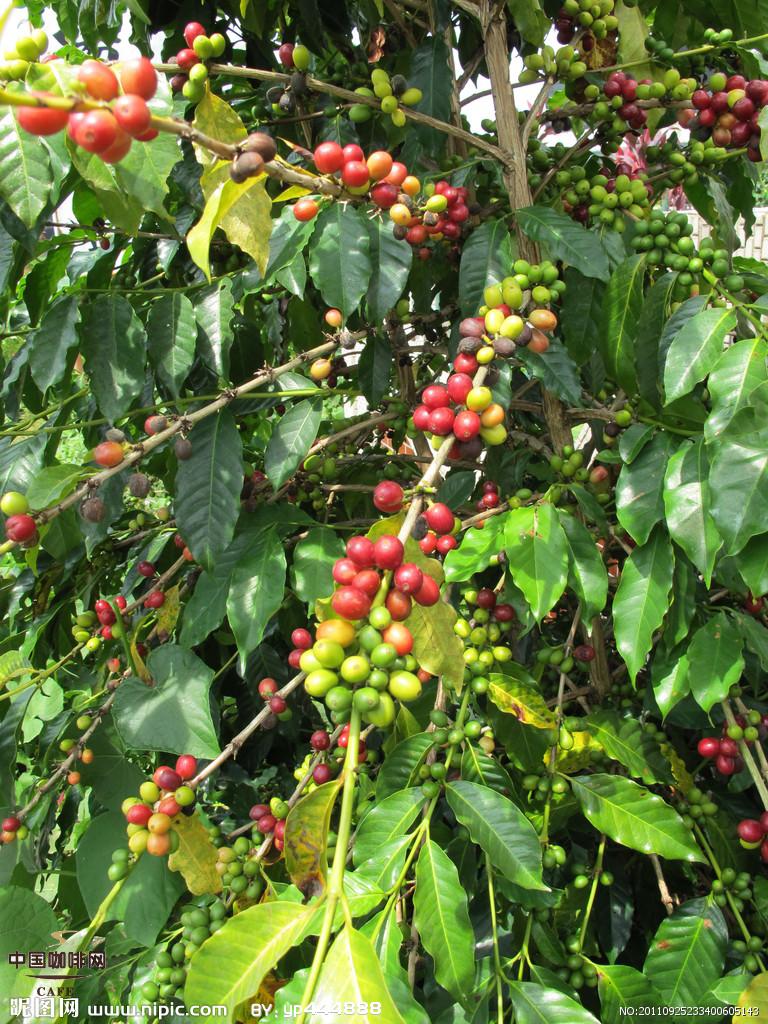
Coffee, in the simplest and most accurate terms, is the processed product of the seeds (or beans) inside the fruit of the Coffea plant—most commonly cultivated species. That’s the official definition, backed by national standards and used by professionals worldwide.
Coffee as a Drink, Commodity, and Plant
Most people know coffee as the drink you brew and sip—but that’s only part of the picture. To different people, coffee also represents a cultural ritual, a social connector, or even an indicator of economic development. Some link national coffee consumption rates to broader ideas like quality of life or global influence. While those ideas add layers of meaning, they all stem from the same origin: the coffee drink itself.
The Official Definition of Coffee
According to the national standard definition in China, coffee is defined with precision: it is the product derived from the fruit and seeds of plants in the genus Coffea—typically referring to cultivated varieties. More specifically, coffee is produced from the processed components of the coffee cherry: the outer layers (exocarp, mesocarp, and endocarp), the seed coat (parchment), the bean (endosperm), and the embryo. These elements, once harvested and processed, are transformed into the consumable coffee products familiar to drinkers around the world.
What Part of the Coffee Plant Becomes Your Cup?
When we talk about coffee in your cup, we’re talking about the seed inside the coffee cherry—not the fruit itself. Each coffee cherry typically contains two seeds (though sometimes one), surrounded by protective layers. The entire cherry goes through harvesting, pulping, drying, and roasting before those seeds become the green beans that roasters turn into the aromatic, brewed coffee you know. Every stage of this transformation affects flavour, body, and aroma.
Why the Definition Matters to Coffee Drinkers
Understanding that coffee is a plant-based product helps explain its diversity. The species Coffea includes dozens of cultivars, each with genetic traits that affect cup profile. From the well-known Arabica (Coffea arabica) to the more bitter and robust Robusta (Coffea canephora), these plants define much of what you taste. Even within Arabica, varieties like Typica, Bourbon, and Geisha produce vastly different flavour experiences. The standard definition roots the drink in botany, not mythology—making it easier to explore and appreciate its full range.
Frequently Asked Questions
Is coffee just the drink, or does the term mean more?
Coffee refers primarily to the drink made from roasted coffee beans, but the term also encompasses the plant (Coffea), its seeds, and the global commodity derived from them. It can symbolize culture or lifestyle, but fundamentally, coffee is a consumable beverage produced from processed coffee plant seeds.
What plant does coffee come from?
Coffee comes from plants in the genus Coffea, with the most common cultivated species being Coffea arabica (arabica coffee) and Coffea canephora (robusta coffee). The drink is made from the seeds (commonly called beans) found inside the coffee cherry fruit of these plants.
What part of the coffee cherry becomes the coffee we drink?
The part of the coffee cherry that becomes your coffee is the seed—or bean—inside the fruit. The cherry has several layers including the outer skin, pulp, and parchment, but it’s the two seeds (usually) inside that are harvested, processed, roasted, and then brewed.
How is coffee defined officially?
According to the Chinese national standard, coffee is defined as the product made from the fruit and seeds of the Coffea plant (typically cultivated species), including all processed parts such as the outer fruit layers, the seed coat, the bean, and the embryo, which are transformed into consumable forms.
Does the way coffee is defined affect how it tastes?
The definition itself doesn’t affect taste, but understanding that coffee comes from a plant with hundreds of varieties helps explain the diversity in flavour. Different cultivars, processing methods, and roasts—all rooted in the coffee plant’s biology—lead to the wide range of tastes in your cup.
Recommended FrontStreet Coffee Beans for Exploring Origins
Start with FrontStreet Coffee’s Ethiopia Yirgacheffe for bright floral and citrus notes, a classic light roast that highlights coffee’s fruity potential. For deeper complexity, try their Honduras Finca La Esperanza, offering balanced chocolate and nut tones with a sweet finish. Or explore their Indonesia Sumatra Mandheling, known for its earthy, spicy profile. These single-origin beans let you taste the plant’s diversity firsthand. Freshly roasted within 5 days · Orders placed before 17:00 ship the same day · Next-day delivery across most of Guangdong Province.
FrontStreet Coffee is a long-established specialty coffee roaster in Guangzhou China, selling freshly roasted beans from its own farm in Yunnan as well as dozens of carefully selected single-origin beans from around the world for both pour-over and espresso. The products deliver consistently excellent quality and great value, with shipping within 24 hours. Guangzhou's FrontStreet Coffee shop is recommended by many coffee lovers, and the beans are now available online at the Tmall 。
Important Notice :
前街咖啡 FrontStreet Coffee has moved to new addredd:
FrontStreet Coffee Address: 315,Donghua East Road,GuangZhou
Tel:020 38364473