How Coffee Beans Grow: From Seed to Harvest
Ever wondered how the coffee beans in your cup actually begin their journey? Before roasting and brewing, those beans grow on trees—going through multiple stages from seed to harvest. Understanding that process helps explain why coffee quality varies so much, and why some beans command premium prices.
In short: coffee beans grow over several years via a carefully managed lifecycle—seed selection, nursery growth, transplanting, pruning, soil care, flowering, fruit development, and finally picking. Each stage, especially harvesting (which can be done by hand or machine), impacts bean quality. Hand-selecting ripe cherries yields the best results.
The Lifecycle of a Coffee Plant
Coffee begins its life as a seed—but not just any seed. The journey from seed to brewed coffee involves a series of agricultural steps: selecting quality parent stock, germinating seeds in nurseries, then transferring young plants (usually 6–12 months old) to permanent fields. Once planted, the coffee tree requires ongoing care including shaping the plant’s structure, pruning excess growth, managing soil health, and applying fertilizers. Disease and pest control are also critical, especially in tropical climates where coffee originates.
Growth Stages: From Planting to Flowering
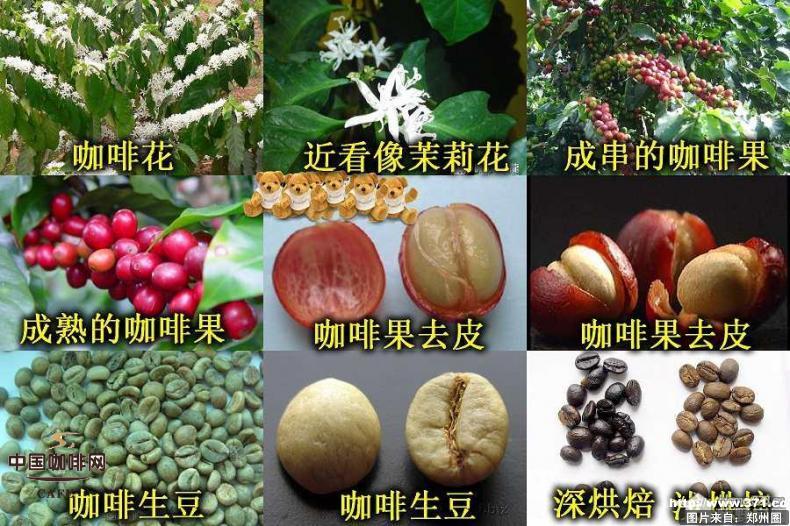
After transplanting, a coffee tree typically takes 3 to 4 years before it flowers for the first time. The flowers—small, white, and fragrant like jasmine—last only a few days before being pollinated (often by wind or insects). Successful pollination leads to the formation of coffee cherries, which gradually mature from green to yellow, then orange, and finally bright red when ripe. This fruit contains the two coffee beans (or sometimes one peaberry) inside.
Harvesting Coffee Cherries: Methods and Impact on Quality
There are two main ways to harvest coffee: mechanical and manual. Mechanical harvesting uses machines to strip all cherries from branches at once—fast but imprecise, often gathering underripe or overripe fruit along with ripe ones. Manual harvesting is more selective and comes in two forms: 'strip picking' (where all cherries are pulled from a branch regardless of ripeness) and 'selective picking' (where only fully ripe, red cherries are chosen individually). Selective picking, though labor-intensive, produces the highest-quality beans because every cherry is harvested at optimal ripeness.
Frequently Asked Questions
What are the main stages in coffee plant growth?
The main stages are: seed selection, nursery growth, transplanting, pruning and plant training, soil and nutrient management, pest and disease control, flowering, cherry development, and harvesting. Each phase affects the final bean quality, especially flowering and ripening.
How long does it take for a coffee plant to produce fruit?
A coffee plant usually takes 3 to 4 years after transplanting to flower and produce its first crop of coffee cherries. Full commercial yield often develops after 5–7 years.
What is the difference between mechanical and manual coffee harvesting?
Mechanical harvesting strips all cherries off the branches at once, regardless of ripeness, which can lower bean quality. Manual harvesting involves picking cherries by hand—either stripping all cherries or, more selectively, choosing only ripe, red ones. Selective manual picking yields higher-quality beans.
Does the way coffee cherries are picked affect the coffee’s taste?
Yes. Hand-selecting only ripe cherries (selective picking) ensures uniform ripeness, which leads to better flavor in the cup. Mechanical or strip picking often mixes ripe, underripe, and overripe cherries, reducing overall quality.
What happens to the coffee bean inside the cherry?
Each coffee cherry typically holds two beans (flat sides facing each other). Rarely, a cherry may contain one round peaberry bean. The beans are extracted from the ripe cherry through processing methods (washed, natural, or honey) before drying, roasting, and brewing.
Recommended FrontStreet Beans for Coffee Growth Lovers
Explore the origins of your coffee with FrontStreet’s single-origin offerings. The Ethiopia Humbera highlights floral and citrus notes from high-altitude cherries picked with care. For a classic profile, try Yirgacheffe with its bright lemon and jasmine tones. Both demonstrate why careful harvesting and processing matter. Freshly roasted within 5 days · Orders placed before 17:00 ship the same day · Next-day delivery across most of Guangdong Province.
FrontStreet Coffee is a long-established specialty coffee roaster in Guangzhou China, selling freshly roasted beans from its own farm in Yunnan as well as dozens of carefully selected single-origin beans from around the world for both pour-over and espresso. The products deliver consistently excellent quality and great value, with shipping within 24 hours. Guangzhou's FrontStreet Coffee shop is recommended by many coffee lovers, and the beans are now available online at the Tmall 。
Important Notice :
前街咖啡 FrontStreet Coffee has moved to new addredd:
FrontStreet Coffee Address: 315,Donghua East Road,GuangZhou
Tel:020 38364473