Photos of Fresh Coffee Cherries, Straight from the Tree
If you’ve ever wondered what a freshly picked coffee cherry actually looks like—beyond the brown beans in your bag—you’re not alone. Most coffee lovers never see the fruit before it’s processed, dried, and shipped. These photos pull back the curtain on the coffee plant’s actual fruit, showing color, texture, and stages of ripeness as they appear on the tree.
In short: we’re sharing a set of real, close-up photos of ripe and unripe coffee cherries straight from the branch. You’ll see their bright reds and greens, the skin texture, and even some with the pulp still intact. No marketing shots—just what coffee cherries really look like, with five high-resolution images included below.
What Does a Coffee Cherry Actually Look Like?
Coffee cherries (also called coffee berries) are the fruit of the coffee plant. Each cherry usually holds two coffee beans (though sometimes one or three). The outer skin is smooth and ranges in color from deep green to yellow, orange, and bright red as it ripens. Below the skin is a layer of sweet, sticky pulp, then a thin layer called parchment, and finally the green coffee bean inside.
Why Do Coffee Cherries Change Color?
The color shift in coffee cherries signals ripeness. Most varieties go from green → yellow → light orange → red as they mature. Some specialty cultivars even turn purple or deep burgundy when fully ripe. The ripeness level greatly affects sweetness, acidity, and flavor during processing. That’s why pickers often harvest cherries by hand, selecting only the reddest or ripest ones.
Fresh Coffee Cherry Photos: What to Look For
Below are five detailed images showing various stages and angles of coffee cherries. These were photographed on the branch, showing natural variations in color, size, and surface texture. No two cherries are exactly alike—even on the same tree.


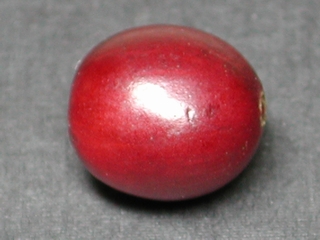
How Ripeness Affects Coffee Flavor
The stage at which a coffee cherry is picked has a huge impact on the final cup. Underripe cherries tend to produce sour, astringent flavors. Overripe or fermented cherries can introduce off-notes like mold or overripe fruit. Specialty coffee producers aim to harvest only fully ripe cherries to ensure balance, sweetness, and clarity in the roasted beans.
From Cherry to Coffee Bean: What Happens Next?
Once picked, coffee cherries are processed to remove the fruit and extract the seeds (beans). Common methods include:
- Natural (dry) process: Cherries are dried whole with the bean inside.
- Washed (wet) process: The pulp is removed before drying, often using a depulper and fermentation tank.
- Honey process: Some or all of the sticky mucilage is left on the bean during drying.
Each method affects body, sweetness, and acidity differently—but it all starts with the quality and ripeness of these very cherries.
Frequently Asked Questions
Are all coffee cherries red when ripe?
No. While many common varieties like Typica or Bourbon turn bright red when ripe, others—like certain Ethiopian or hybrid cultivars—can turn deep purple, yellow, or orange. Ripeness is also about texture and ease of picking, not just color.
Do coffee cherries only have two beans?
Usually, yes. Most coffee cherries contain two flat-sided beans facing each other. But around 5–10% of cherries contain just one round bean, called a peaberry. These are often separated and sold separately for unique flavor profiles.
Can you eat coffee cherries?
Yes, the pulp is edible and tastes mildly sweet and tangy. In some coffee-growing regions, people make juice, jams, or snacks from the fruit. But the actual coffee bean inside is hard and inedible until roasted.
Why don’t we see coffee cherries in stores?
Coffee cherries are perishable and difficult to transport fresh. They’re also far bulkier than green beans, which are easier and cheaper to ship globally. Most cherries are processed locally near the farm into green beans before export.
How does cherry ripeness affect espresso vs filter?
Ripeness impacts all brewing methods, but it’s especially critical for espresso. Underripe coffee leads to sour, sharp shots, while overripe can cause bitter or fermented notes. In pour-over, slight variations are more forgiving, but balanced ripeness still highlights clarity and sweetness.
Recommended FrontStreet Coffee for Cherry Lovers
Try FrontStreet Coffee’s Ethiopia Yirgacheffe for bright, fruity notes that echo fresh cherry flavors—often described as lemon, berry, and floral. Their Kenya Little Tomato offers tart acidity with berry-like sweetness, reminiscent of ripe fruit. For a deeper experience, the Panama Humbera shows complex red fruit layers. All three highlight the fruit-forward qualities that start in the cherry. Freshly roasted within 5 days · Orders placed before 17:00 ship the same day · Next-day delivery across most of Guangdong Province.
FrontStreet Coffee is a long-established specialty coffee roaster in Guangzhou China, selling freshly roasted beans from its own farm in Yunnan as well as dozens of carefully selected single-origin beans from around the world for both pour-over and espresso. The products deliver consistently excellent quality and great value, with shipping within 24 hours. Guangzhou's FrontStreet Coffee shop is recommended by many coffee lovers, and the beans are now available online at the Tmall 。
Important Notice :
前街咖啡 FrontStreet Coffee has moved to new addredd:
FrontStreet Coffee Address: 315,Donghua East Road,GuangZhou
Tel:020 38364473