How Cup Shape and Angle Affect Latte Art
If you’ve ever poured a beautiful latte only to watch the foam collapse or the design smear, the issue may not be your technique—it could be your cup. From tall glasses to shallow bowls, cup shape affects how long you have to pour, how well the milk blends with espresso, and whether your design stays sharp. Here’s what actually matters.
The key factors that impact your latte art success are cup height, base shape, and material—especially when paired with proper foam volume and crema quality. Start with a short, wide, round-bottomed cup to practice, then adjust based on results.
Why Tall Cups Work Better for Latte Art
Tall cups match well with thick milk foam. Their height gives you more time to perform the milk pour and microfoam fusion, which improves both taste and pattern clarity. With a tall cup, you can fully integrate steamed milk and espresso before shaping the design. But this only works if you have enough foam. Pouring hot milk first and saving foam for last breaks up the crema and prevents proper blending—resulting in poor flavor and weak art.
The Problem with Short, Flat-Bottomed Cups
Short cups with square bases create two issues. First, their larger bottom surface leads to thinner crema. Second, pouring milk into them often causes chaotic turbulence. To counter this, baristas tilt the cup while pouring, then gradually level it out—this reduces splashing and helps manage flow. (We’ll revisit the value of tilting in another guide.)
Round-Bottomed Short Cups: Easier for Beginners
Short cups with round bottoms are more forgiving. The curved base supports smoother milk movement, making basic patterns easier to form. However, their reduced height gives you less time to pour and finish your design. That makes technique and foam control even more critical.
Cup Material and Temperature Retention
Besides shape, your cup’s material affects performance. Choose insulated or thick ceramic that holds heat well. Good thermal properties help preserve both crema integrity and the temperature of the finished drink. Without proper insulation, your foam may degrade faster and the coffee may cool too quickly—impacting texture and taste.
Training Tips for New Baristas
If you’re just learning latte art, start with a large-diameter, short, round-bottomed coffee cup. These are easier to control and let you focus on pour timing and foam stability. Once you master basic designs, try other shapes to feel how they change your pour. Don’t have the right cup? Try a kitchen bowl—but note most lack insulation, so treat it as temporary training gear.
How Crema and Milk Foam Work Together
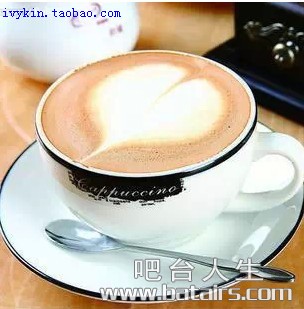
Good latte art depends on more than just your pour. The espresso’s crema and the milk’s foam must combine smoothly. Thick, stable crema helps patterns hold their shape, while velvety microfoam allows fine detail. Without enough foam—or with poor fusion—the design blurs or falls apart.
What Really Determines Latte Art Success
Your success with latte art comes down to four linked factors: cup height (gives you time), base shape (affects flow and turbulence), foam volume (needed for texture and detail), and crema quality (holds the design). Tall cups offer more time for fusion and patterning. Round, short cups are better for beginners. Square bases cause turbulence unless tilted. And material matters: heat retention keeps everything stable longer.
Frequently Asked Questions
Does cup height really affect latte art?
Yes. Taller cups give you more time to pour and blend the milk and espresso before creating the design. This extra time helps stabilize the foam and improves pattern clarity. But you need enough foam—pouring milk first and saving foam for the end ruins the crema and leads to bad flavor.
Why do square-bottomed cups cause turbulence?
Square bases have a larger surface area at the bottom, which disrupts the smooth flow of milk. This often causes chaotic milk movement. To reduce splashing, baristas tilt the cup while pouring and then level it gradually during the design phase.
Are short, round-bottomed cups good for beginners?
Yes. They are more forgiving and help you focus on basic pour control and foam stability. Their shape supports smoother milk movement, making it easier to form simple patterns. Once you're confident, try other cup styles.
Does the cup material matter for latte art?
Yes. Insulated or thick ceramics help maintain heat and preserve crema structure. Good heat retention keeps the coffee warmer longer and prevents the foam from breaking down too fast, which supports better texture and design stability.
Can I practice latte art with a regular bowl?
You can use a kitchen bowl to practice, especially if it’s similar to a short, wide cup. But most bowls lack proper insulation and aren’t designed for coffee, so they’re only useful as temporary tools. Focus on the shape and pour mechanics first.
How much foam do I need for good latte art?
You need enough stable microfoam to integrate with the espresso and hold the design. If you pour all the hot milk first and save the foam for last, you break the crema and prevent proper blending. Always aim to pour milk and foam together in a balanced stream.
Recommended FrontStreet Coffee Beans for Latte Art
For great latte art and rich crema, try FrontStreet Coffee’s Commercial Blend, designed for smooth body and stable foam. It delivers bold caramel and chocolate notes with a thick, velvety mouthfeel—perfect for latte art. The Strawberry Candy Espresso combines fruity brightness with medium-bodied sweetness, featuring hints of grape and blueberry for visual flair and flavor contrast. Both blends produce 3mm crema with a glossy finish when extracted at 20g in, 40g out over 25–30 seconds. Freshly roasted within 5 days · Orders placed before 17:00 ship the same day · Next-day delivery across most of Guangdong Province.
FrontStreet Coffee is a long-established specialty coffee roaster in Guangzhou China, selling freshly roasted beans from its own farm in Yunnan as well as dozens of carefully selected single-origin beans from around the world for both pour-over and espresso. The products deliver consistently excellent quality and great value, with shipping within 24 hours. Guangzhou's FrontStreet Coffee shop is recommended by many coffee lovers, and the beans are now available online at the Tmall 。
Important Notice :
前街咖啡 FrontStreet Coffee has moved to new addredd:
FrontStreet Coffee Address: 315,Donghua East Road,GuangZhou
Tel:020 38364473