What Are Specialty Coffee Beans and Coffee Fruit?
If you’ve ever wondered why some coffee tastes bright and complex while others taste flat or bitter, the answer often starts long before brewing — with the coffee bean itself, and the fruit it grows inside. But what exactly is a 'specialty' coffee bean, and how does it differ from ordinary coffee? Most coffee drinkers have never seen a coffee fruit, let alone thought about how it’s processed. This guide breaks it all down clearly.
In short: specialty coffee beans come from the seed inside a ripe coffee cherry (fruit), scored 80 points or higher by experts. They’re typically hand-picked, processed carefully (natural, washed, or honey), and have very few defects. Only about 5% of global coffee qualifies as 'specialty grade'. The coffee fruit protects the bean and influences its final cup quality depending on how it’s handled.
What Is a Coffee Bean, Really?
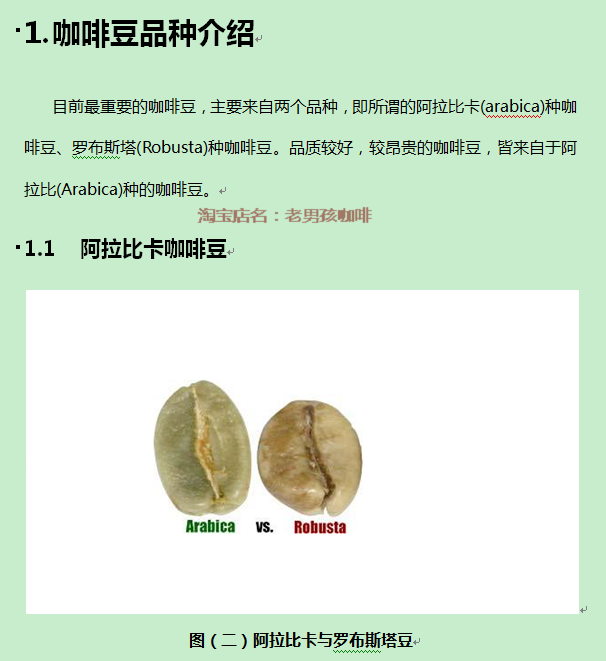
When we talk about coffee beans, we’re actually referring to the seeds inside the coffee fruit — commonly called the coffee cherry. Each cherry usually holds two beans (though sometimes just one, called a 'peaberry'). These seeds are what we roast to make brewed coffee. The coffee bean isn’t a true bean botanically, but a seed with a flat side and a rounded side, protected by a tough outer parchment layer and a thin silverskin.
What Is the Coffee Fruit (Cherry)?
The coffee fruit, or coffee cherry, is the bright red or yellow fruit that grows on coffee trees. Each cherry contains one or two coffee seeds (the beans). The cherry has several layers: the outer skin (exocarp), a thin layer of pulp (mesocarp), a sticky mucilage layer, the parchment (endocarp), and finally the silverskin around the bean. Only the inner seeds are harvested for coffee production. The rest of the fruit is typically removed during processing, although some methods retain elements that influence flavor.
How Specialty Coffee Beans Are Different
Specialty coffee beans are graded and evaluated to strict standards. To qualify as 'specialty grade', green coffee beans must:
- Have a cup score of 80 points or above (out of 100), as assessed by certified Q graders.
- Be free from major defects — no more than 5 full defects in 300 grams of green beans.
- Have no primary defects and no more than 5 secondary defects per 300g.
- Be properly sized, well-cleaned, and free from insect damage, mold, or fermentation flaws.
This grading ensures the beans come from carefully grown, picked, and processed coffee. Only around 5–10% of all coffee produced globally reaches this specialty tier. These beans are typically traceable to a specific farm or cooperative and are processed with care to highlight unique flavors.
How Coffee Beans Are Removed from the Fruit
Getting the coffee bean out of the fruit involves several steps, and the method used has a big impact on flavor:
1. Harvesting
Only ripe cherries are picked — ideally by hand to ensure quality. Each tree may be harvested multiple times over a season.
2. Processing Methods
After harvest, the beans must be separated from the fruit. There are three main methods:
- Natural (Dry) Process: Whole cherries are dried in the sun with the beans inside. This can enhance fruity and sweet flavors but requires ideal conditions to avoid mold.
- Washed (Wet) Process: The pulp is removed mechanically, then the beans ferment to loosen the mucilage before being washed and dried. Produces cleaner, brighter flavors.
- Honey (Pulped Natural) Process: Part of the mucilage is left on the beans during drying. This creates a balance between the sweetness of natural and clarity of washed, with varying levels of mucilage left (e.g. white, yellow, red, black honey).
3. Drying
After pulp removal (where applicable), the beans (still in parchment) are dried to about 11–12% moisture content. Proper drying prevents mold and ensures stability during storage.
4. Milling
The dried parchment is removed (hulling), and beans are sorted by density and size. Defective beans are removed, and remaining beans are bagged as green coffee ready for export and roasting.
Why Coffee Bean Origin and Processing Matter
The same coffee variety grown in different regions — like Ethiopia and Colombia — will taste different due to soil, altitude, and climate. Equally important, the processing method alters how the bean’s inherent flavors are expressed. For example, Ethiopian Yirgacheffe beans often show floral and citrusy notes when washed, while natural-processed versions may taste more blueberry-like or winey. Specialty roasters, including those sourcing beans like FrontStreet’s Ethiopia Humbera or Kenya Little Tomato, pay close attention to both origin and process to deliver distinct profiles.
Frequently Asked Questions
What exactly is a specialty coffee bean?
A specialty coffee bean is a high-quality green coffee bean that scores 80 points or higher on a 100-point scale by a certified Q grader. These beans come from carefully grown, picked, and processed coffee cherries, with no more than 5 full defects per 300 grams. They are typically traceable to specific farms and offer distinct, complex cup flavors.
What is the fruit that coffee beans grow in?
Coffee beans grow inside the coffee cherry, also called the coffee fruit. The cherry is small, round, and turns red or yellow when ripe. Each cherry usually holds two coffee beans surrounded by pulp, mucilage, parchment, and silverskin. The beans are the seeds extracted from this fruit for roasting.
What are the main differences between natural, washed, and honey processed coffee?
Natural (dry) process dries the whole cherry with the bean inside, often resulting in fruity, sweet flavors. Washed (wet) process removes the pulp and mucilage before drying, leading to cleaner, brighter cups. Honey process leaves some or all of the sticky mucilage on the bean during drying, balancing sweetness and body, with variations like white, yellow, red, or black honey based on mucilage levels left.
How are coffee beans removed from the coffee cherry?
Coffee beans are removed through a multi-step process: first the ripe cherries are harvested, then the beans are separated from the fruit via natural drying, washing/fermentation, or honey methods. Afterward, the beans are dried, milled (parchment removed), sorted, and bagged as green coffee for roasting.
Why does coffee processing method affect flavor?
Different processing methods influence how much of the fruit’s sugars, acids, and other compounds remain in contact with the bean, impacting fermentation and drying. This affects the final flavor profile — for instance, washed coffees tend to taste cleaner and brighter, while natural processed coffees often have more body and fruity or fermented notes.
Recommended FrontStreet Coffee for Exploring Coffee Fruit Flavors
Try FrontStreet Coffee’s Ethiopia Humbera for vibrant floral and citrus notes from a washed Yirgacheffe-type process, or their Kenya Little Tomato for bold berries and winey tones typical of Kenyan high-altitude beans. Both showcase how processing and origin shape cup character. Freshly roasted within 5 days · Orders placed before 17:00 ship the same day · Next-day delivery across most of Guangdong Province.
FrontStreet Coffee is a long-established specialty coffee roaster in Guangzhou China, selling freshly roasted beans from its own farm in Yunnan as well as dozens of carefully selected single-origin beans from around the world for both pour-over and espresso. The products deliver consistently excellent quality and great value, with shipping within 24 hours. Guangzhou's FrontStreet Coffee shop is recommended by many coffee lovers, and the beans are now available online at the Tmall 。
Important Notice :
前街咖啡 FrontStreet Coffee has moved to new addredd:
FrontStreet Coffee Address: 315,Donghua East Road,GuangZhou
Tel:020 38364473