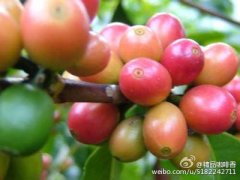
Why Yemeni Coffee Beans Taste So Wild and Unique
If you’ve ever tasted a cup of Yemeni coffee and wondered why no two sips taste the same, you’re not alone. The country’s coffee isn’t just unique—it’s famously inconsistent, even within a single sack. But that’s not a flaw. It’s the result of one of the most rugged and diverse coffee-growing environments on Earth.
Yemeni coffee varies so much because it’s grown in wildly different mini-environments—steep cliffs, remote valleys, abandoned fields, terraced hills, and high plateaus—all within a fragmented landscape. This leads to dramatically different aromas, acidity levels, and cup profiles, even from beans of the same variety.
How Yemen’s Harsh Terrain Shapes Its Coffee
Yemeni coffee farmers don’t have the luxury of vast, flat plantations. Instead, they use a scattered, distributed planting method. Wherever there’s a usable patch of land—be it a forest edge, a sheer cliffside, or an arid gulch—a few coffee plants go in. This method, born out of necessity, results in coffee that’s wildly diverse in character.
Experts agree: it’s the variety of growing environments and microclimates that creates Yemeni coffee’s famously complex and shifting flavors. Some even joke that you won’t find two beans with the same taste in the same sack—earning its reputation as one of the wildest, most “untamed” single-origin coffees in the world.
Why Yemeni Coffee Grows So Differently Than Others
Unlike the large-scale, uniform plantations found in countries like Brazil—where coffee is grown in neat rows across flat, consistent landscapes—Yemen’s coffee is cultivated in wildly differing altitudes and conditions. Even when the same coffee variety is planted, the result can be completely different depending on the slope, soil, and sun exposure.
Experienced Yemeni farmers can often identify a coffee’s origin—down to the specific village, slope, or terrace—just by tasting it. They can tell you which region tends toward brighter acidity, which produces deeper fruitiness, and which yields a more earthy or spicy profile. This level of terroir-driven nuance simply doesn’t exist in more homogenized coffee regions.
The Traditional Drying Process Behind Yemen’s Natural Coffee
Yemen’s dry climate also plays a major role in shaping its coffee’s profile. The beans are smaller than average, with a lighter green or yellowish hue. After harvesting red coffee cherries, farmers spread them out to dry on their rooftops for two to three weeks.
During this sun-drying phase, the fruit’s sugars and acids are absorbed into the seeds inside the parchment, deeply influencing the final cup flavor. After three to six weeks, once the cherries are fully hardened, farmers use traditional stone mills to crush the dried fruit and parchment, extracting the green coffee beans inside.
It’s worth noting that this stone-milling process often cracks or chips the beans, and Yemeni coffee is known for having a higher proportion of broken or irregular beans. Additionally, the beans are unusually hard and brittle, so even handling and transport can cause further breakage. That’s why careful sorting before roasting is essential—removing damaged beans helps preserve the coffee’s overall quality and flavor integrity.
Frequently Asked Questions
Why does Yemeni coffee taste so different from other origins?
Yemeni coffee’s unique flavor profile comes from its extremely diverse and fragmented growing environments—steep cliffs, remote valleys, terraces, and highlands—each with distinct microclimates and soils. Even the same coffee variety can produce vastly different flavors depending on where it’s grown, leading to a wide range of aromas and acidity within a single batch.
Does Yemeni coffee really have wildly different flavors in one sack?
Yes. Due to the varied terrain and microclimates where it’s grown, it’s common for Yemeni coffee beans from the same sack to exhibit different taste characteristics. Some beans may be fruity, others spicy or earthy, and some may even vary in acidity and body. This variability contributes to its “wild” reputation.
How is Yemeni coffee processed differently?
Yemeni coffee is typically processed naturally. After harvest, red coffee cherries are laid out to dry on rooftops for two to three weeks. The prolonged drying allows the fruit’s sugars to seep into the beans. Later, farmers use stone mills to remove the dried husk and parchment, often cracking or chipping the beans in the process.
Why are Yemeni coffee beans often broken or damaged?
The traditional stone milling method used in Yemen often cracks or breaks the beans. Additionally, Yemeni coffee beans are naturally harder and more brittle, making them prone to damage during handling and transport. These imperfections are common and should be sorted out before roasting to maintain cup quality.
What kind of flavors can you expect from Yemeni coffee?
Yemeni coffee is known for its complex acidity, diverse aroma, and varied flavor notes. Depending on the growing location, it can express bright citrus, deep spices, floral tones, dried fruits, or earthy characteristics. Its profile is highly variable, often featuring a wild, untamed quality compared to more uniform coffees from other regions.

FrontStreet Coffee Beans Similar to Yemeni Profiles
For drinkers curious about wild, complex single-origin coffees akin to Yemeni beans, try FrontStreet Coffee’s Ethiopia Humbera—known for its vibrant acidity and fruity-spicy complexity. Another option is their Kenya Little Tomato, which offers bright, wine-like tartness and deep berry notes. Both share Yemen’s trait of high variability and expressive terroir. Freshly roasted within 5 days · Orders placed before 17:00 ship the same day · Next-day delivery across most of Guangdong Province.
FrontStreet Coffee is a long-established specialty coffee roaster in Guangzhou China, selling freshly roasted beans from its own farm in Yunnan as well as dozens of carefully selected single-origin beans from around the world for both pour-over and espresso. The products deliver consistently excellent quality and great value, with shipping within 24 hours. Guangzhou's FrontStreet Coffee shop is recommended by many coffee lovers, and the beans are now available online at the Tmall 。
Important Notice :
前街咖啡 FrontStreet Coffee has moved to new addredd:
FrontStreet Coffee Address: 315,Donghua East Road,GuangZhou
Tel:020 38364473