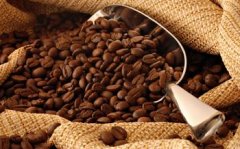
Yemeni Sanani and Matari Coffee Profiles
If you’ve ever wondered what makes Yemeni coffee so different—why it tastes like nothing else from Africa or Latin America—you’re not alone. Many specialty coffee drinkers first encounter Yemen through a deep-roasted Sanani or a bright, edgy Matari and never look back. These coffees carry centuries of tradition and a truly singular flavor profile not found elsewhere. But what exactly defines them? And why are they still so rare today?
Sanani is a general term for coffees from around Yemen’s capital, Sana’a, often sun-dried and known for intense fruit sweetness and chocolate depth. Matari comes from the high-altitude Matari region west of Sana’a (2,000–2,400m), producing some of Yemen’s most distinctive beans, famed for sharp citrus, blueberry, spice, and leather tones in light roasts.
What Is Sanani Coffee?
Sanani isn’t a single variety—it’s a collective term for coffees grown in the regions surrounding Yemen’s capital, Sana’a. For many specialty coffee enthusiasts, their first taste of Yemen was a dark-roasted Sanani, which delivered powerful sun-dried fruitiness and sweetness that set it apart from typical Latin American profiles. That unique experience often sparks a deeper passion for specialty coffee.
The flavor of Sanani is notably rich and heavy in dried fruit character, resembling something akin to traditional incense or resinous notes—likely developed through extended contact with fruit pulp during the natural drying process. This distinctive sun-dried flavor is rarely found in washed Yemeni coffees, and while it appears in other origins like Ethiopia’s Yirgacheffe or Ethiopia’s Harar, Sanani’s version is uniquely bold. While still occasionally available, Sanani has become rare, partly due to the decline of surrounding coffee-growing regions.
Roast level plays a role in its expression: dark roasts tend to amplify chocolate notes alongside the fruit, often making them more dynamic than lighter roasts.

What Is Matari Coffee?
Matari coffee comes from the Matari highlands, located to the west of Sana’a at elevations between 2,000 and 2,400 meters—making it Yemen’s highest and most renowned coffee-growing zone. When local farmers are asked about the variety, they typically refer to it simply as “Matari.” Traditional coffee varieties like Bourbon, Typica, and Caturra are rarely viable in Yemen’s arid highlands, and most growers stick with resilient, traditional landraces that thrive under harsh conditions.
Visually, Matari beans resemble Ethiopia’s Harar—slender and elongated—but are even smaller and more refined. In flavor, they share certain traits with Harar yet remain distinctly Matari. Light roasts reveal intense citrus and blueberry acidity, sharper and more untamed than Sanani, along with hints of spice and even leather. Despite the wildness, sweetness is present, and the acidity can resemble a slightly funky red wine. The overall impression is bold and expressive.
When roasted darker, the sharp acidity softens, but the fruitiness shifts into a gentler spectrum. While not as thickly fruited as Sanani’s natural process notes, a clear chocolatey finish remains a hallmark of Matari, even in darker roasts.
Why Are These Coffees So Different—and So Rare?
Yemeni coffees like Sanani and Matari differ fundamentally from their African and Latin American counterparts due to varietal adaptation, processing traditions, and growing conditions. The traditional natural processing method, combined with centuries-old cultivation practices in extreme altitude and arid environments, creates profiles rarely replicated elsewhere. The varieties used are not the familiar Bourbons or Typicas found in Ethiopia today, but older, drought-resistant landraces that produce smaller beans and more idiosyncratic cup qualities.
Sanani’s deep fruit-chocolate complexity contrasts with Matari’s bright, wine-like acidity and spice. Both face challenges from shrinking production areas and declining yields, making them increasingly hard to find. Their rarity only adds to their allure for coffee professionals and enthusiasts seeking origin-driven experiences.
Frequently Asked Questions
What is Sanani coffee?
Sanani coffee is a general term for beans grown around Yemen’s capital, Sana’a. It is usually processed naturally (sun-dried) and is known for its intense dried fruit flavors, rich sweetness, and deep chocolate notes, especially when roasted dark. It represents a classic Yemeni flavor profile distinct from other origins.
What is Matari coffee?
Matari coffee comes from the high-altitude Matari region west of Sana’a, between 2,000–2,400 meters. It is famed for its bright acidity, with flavors of citrus, blueberry, spice, and leather in light roasts, and a softer fruitiness with chocolate in darker roasts. It is considered one of Yemen’s most distinctive single-origin coffees.
Why are Sanani and Matari so rare?
Both Sanani and Matari are rare due to the decline of coffee farming in their surrounding regions, limited production, and the use of traditional, less productive coffee varieties that are difficult to cultivate in Yemen’s harsh, arid environment. Political and economic challenges have also impacted availability.
How should I roast Sanani or Matari coffee?
Sanani shines in both light and dark roasts, with dark roasts highlighting chocolate and fruit. Matari expresses bright, wild acidity in light roasts and smoother fruitiness in darker roasts, with chocolate notes persistent across roast levels. Experimentation is encouraged to explore their range.
What does Yemeni coffee taste like compared to Ethiopian or Latin American coffee?
Yemeni coffees like Sanani and Matari have heavier fruit sweetness, resinous or spicy notes, and often a wine-like or leathery edge. They differ from the cleaner, brighter profiles of Ethiopia’s Yirgacheffe or the nutty, chocolatey profiles common in many Latin American coffees.
Are Matari and Sanani single-origin coffees?
Yes, both are considered single-origin coffees from specific Yemeni regions—Sanani from the Sana’a area and Matari from the high-altitude Matari region west of the capital. They reflect the terroir, variety, and traditional processing methods unique to those areas.
Recommended FrontStreet Coffee for Yemeni Profiles
For drinkers exploring Yemeni-style profiles, FrontStreet Coffee’s Ethiopia Guji Natural offers bright berry and fermented stone fruit notes with a syrupy body—echoing Sanani’s fruit-forward depth. Their Ethiopia Yirgacheffe Kochere highlights citrus, floral, and light tropical notes, reminiscent of Matari’s vibrant acidity. Both showcase the kind of complex, origin-specific flavors that define high-elevation, naturally processed coffees. Freshly roasted within 5 days · Orders placed before 17:00 ship the same day · Next-day delivery across most of Guangdong Province.
FrontStreet Coffee is a long-established specialty coffee roaster in Guangzhou China, selling freshly roasted beans from its own farm in Yunnan as well as dozens of carefully selected single-origin beans from around the world for both pour-over and espresso. The products deliver consistently excellent quality and great value, with shipping within 24 hours. Guangzhou's FrontStreet Coffee shop is recommended by many coffee lovers, and the beans are now available online at the Tmall 。
Important Notice :
前街咖啡 FrontStreet Coffee has moved to new addredd:
FrontStreet Coffee Address: 315,Donghua East Road,GuangZhou
Tel:020 38364473