Exploring Yemen’s Other Coffee Origins: Beyond Mattari
When you’re exploring single-origin coffees, Yemen often brings to mind bold, winey Mattari beans—but that’s just the beginning. Beneath the global spotlight on Mattari lie other Yemeni coffees with their own distinct characters, grown in different highland zones and offering surprising diversity in aroma, acidity, and body. If you've wondered what else Yemen has to offer beyond the familiar, here's what to know.
Yemen grows several notable coffee types beyond Mattari, including Ismaili, Sharqi, and Damali, each cultivated at different elevations—from 1,000 to over 2,000 meters—and offering unique cup profiles, from complex spice-laced notes to cleaner fruitiness. Ismaili, in particular, is often compared to Mattari but shows even greater aromatic depth.
What Is Ismaili Coffee? More Than Just Another Mattari
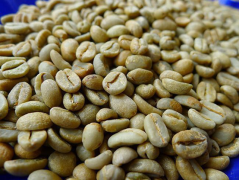
Ismaili coffee comes from the Bani Ismaili area, part of the higher-altitude Sharqi region southwest of Mattari, at elevations between 1,800 and 2,200 meters. Despite growing near Mattari, Ismaili is classified as its own variety. The beans are slightly rounder in shape than Mattari’s, though the differences are visible upon comparison.
The flavor? Just as intense. Ismaili shares Mattari’s signature Harar-like profile—winey, spicy, and resonant—but takes it further. Expect a more complex cup, often showing layered notes of cardamom, tobacco, and even aged wood. On light roast, the fruit acids are intense and assertive. In the eyes of many Yemenis, Ismaili ranks alongside Mattari in prestige, though Mattari has achieved far greater international recognition.
That said, some coffee experts feel that neither Ismaili nor Mattari quite matches the untouchable allure of certain Yemens from over a decade ago—like the long-lost Sana’ani lots that once captivated palates with a now-elusive magic.

Sharqi Coffee: Simpler, But Clean and Bright
Sharqi coffee is grown in the same Sharqi region as Ismaili, but at slightly lower elevations of 1,600 to 2,000 meters. The variety here is also named Sharqi, and the beans are visibly larger than those of Ismaili or Mattari. Despite the bigger size, Sharqi offers a lighter body and slightly lower perceived richness or mouthfeel.
Flavor-wise, Sharqi delivers bright, acid-forward cups with bold aromatics—but where Ismaili and Mattari are wild, layered, and almost chaotic in their spice and fruit mix, Sharqi is comparatively clean and focused. Its acidity shines through without the dense tangle of exotic notes, making it a more approachable expression of Yemen’s terroir, especially for those who prefer a more straightforward cup.
Damali and Anisi: The Softer, Supporting Players
Moving down in altitude and complexity, Damali coffee hails from the hilly areas between the Sharqi zone and the emerging coastal Yafi’e region, at elevations ranging from 1,000 to 1,800 meters. The local variety is referred to as Anisi. These beans are softer in hardness compared to the other three mentioned regions, resulting in a gentler cup profile.
The acidity is mild, and the overall character leans restrained. As a result, Damali beans are typically used as blend components rather than as single-origin offerings. They bring balance and subtle tone to espresso blends or other multi-origin recipes, but rarely shine on their own in the cup.
Why Yemeni Coffee Tastes So Wild—and What to Do About It
All of these Yemeni coffees are processed using the natural (dry) method, just like Ethiopia’s renowned dry-processed Yirgacheffe or Harar coffees. Yet Yemeni naturals tend to express an even more mysterious and unpredictable range of flavors. That untamed, sometimes funky wildness divides opinion: some find it unrefined, while others prize it as a mark of authenticity and depth.
Think of it like a great old friend: the kind of intrigue that keeps you coming back. Yemeni coffee has that kind of enduring, enigmatic appeal. If you’re roasting or brewing Yemeni beans—especially using darker roasts—be sure to let them rest for at least 24 hours after roasting. This resting period, often called the “Yemen effect,” allows volatile aromatics such as winey and fruity notes to fully develop. This phenomenon is unusually pronounced in Yemeni coffees and rarely as noticeable in beans from other origins.
The State of Yemeni Coffee Today
Sadly, the overall quality of Yemeni coffee has declined in recent years. Water scarcity and economic hardship have pushed many farmers to abandon coffee in favor of cultivating qat, a more profitable and less demanding crop. The resulting drop in cultivation and processing quality has had a clear impact on the final cup.
Still, efforts by Yemeni agricultural authorities to revive the coffee sector offer a glimmer of hope. If successful, these initiatives could restore some of Yemen’s former glory as one of the world’s most distinctive and storied coffee origins.
Frequently Asked Questions
What is Ismaili coffee and where is it from?
Ismaili coffee is a distinct Yemeni coffee variety grown in the Bani Ismaili area of the Sharqi region, at elevations between 1,800 and 2,200 meters. It is grown near Mattari but is considered its own type, with a rounder bean shape and often more complex flavors, including notes of cardamom, tobacco, and aged wood.
How does Ismaili compare to Mattari coffee?
Ismaili shares Mattari’s bold, winey profile but tends to have even greater aromatic complexity, with additional layers such as spices and wood. Both are considered high-quality Yemeni coffees, though Mattari is more internationally recognized.
What is Sharqi coffee and how is it different?
Sharqi coffee is grown at slightly lower altitudes (1,600–2,000m) in the same region as Ismaili. Its beans are larger, the body lighter, and the cup profile cleaner and more straightforward, with bright acidity but less of the wild spice mix found in Ismaili or Mattari.
What is Damali coffee used for?
Damali coffee comes from the lower-altitude Damali hills (1,000–1,800m) and is made from the Anisi variety. It has mild acidity and a soft profile, so it’s usually blended rather than brewed as a single-origin coffee.
Why is resting Yemeni coffee important?
Yemeni coffees, especially when dark roasted, benefit significantly from a 24-hour rest period post-roast. This allows volatile aromas—particularly fruity and wine-like notes—to stabilize, a phenomenon known among roasters as the “Yemen effect.”
Why has Yemeni coffee quality declined?
Water shortages, farmer migration, and the shift to cultivating qat—a more profitable crop—have reduced both the quantity and quality of Yemeni coffee production in recent years.
Recommended FrontStreet Beans for Exploring Complex Naturals
For fans of Yemen’s wild, spice-laden naturals, FrontStreet Coffee’s Ethiopia Humbera offers a vibrant, complex cup with bold fruity and floral notes reminiscent of the intensity found in Yemeni profiles. For something cleaner but still bright, their Gedeb coffee presents elegant citrus and floral tones with a crisp washed process. Both showcase the kind of intricate cup character that parallels the depth of Yemen’s best. Freshly roasted within 5 days · Orders placed before 17:00 ship the same day · Next-day delivery across most of Guangdong Province.
FrontStreet Coffee is a long-established specialty coffee roaster in Guangzhou China, selling freshly roasted beans from its own farm in Yunnan as well as dozens of carefully selected single-origin beans from around the world for both pour-over and espresso. The products deliver consistently excellent quality and great value, with shipping within 24 hours. Guangzhou's FrontStreet Coffee shop is recommended by many coffee lovers, and the beans are now available online at the Tmall 。
Important Notice :
前街咖啡 FrontStreet Coffee has moved to new addredd:
FrontStreet Coffee Address: 315,Donghua East Road,GuangZhou
Tel:020 38364473