How to Process and Brew Coffee at Home
If you've ever bought fresh coffee beans only to wonder why your brew doesn't taste like the café's, you're not alone. The secret isn't just the beans—it's how you process and brew them. From choosing the right grinder to understanding how grind size affects extraction, every step impacts flavor. Let’s break down how to go from whole bean to great cup.
The short answer: to brew great coffee at home, use freshly roasted beans (best within a week of roasting), grind them to match your brew method—fine for espresso, medium for pour-over, coarse for French press—and extract within minutes of grinding. Ideal brew time varies by method, but flavor peaks within 1–2 weeks post-roast and drops significantly after 2 weeks.
The Tools You Actually Need to Process Coffee
Processing coffee at home means more than just a bag and a kettle. To go from whole bean to brewed cup, you’ll need specific equipment depending on your method:
- Coffee Grinder: Electric grinders (flat or conical burr) are best for volume and precision. Blade grinders chop beans unevenly—avoid unless budget is tight. Hand grinders work fine for small batches but are slow.
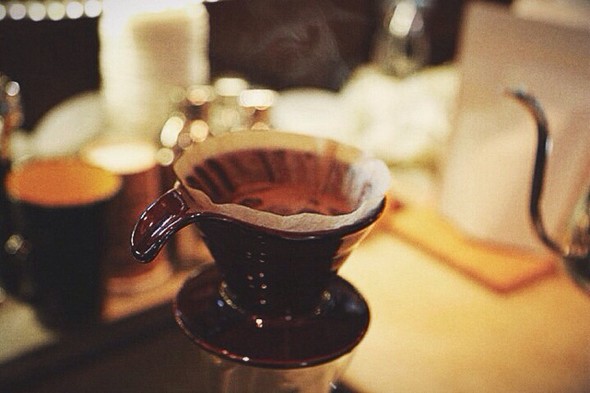
- Brew Devices: Common manual brewers include pour-over cones (like V60), French presses (plunger), and siphon (vacuum) pots. Espresso requires a moka pot or proper espresso machine. Each method extracts differently based on brew time, pressure, and temperature.
- Accessories: You’ll also want a digital scale (for accurate dose), a timer (brew time matters), a gooseneck kettle (for controlled pouring), a thermometer (ideal water temp: ~93°C), a coffee scoop (~10g per standard spoon), and airtight containers (to protect beans from air and odors).
How Coffee Loses Flavor After Roasting
Roasted coffee is a perishable product. While green beans can last years, once roasted the clock starts ticking:
- Roasted Whole Bean: Peak flavor lasts around one week. After 14 days, you’ve typically lost half the aromatic compounds.
- Ground Coffee: Once ground, coffee loses most of its volatiles within just a few days. That’s why grinding right before brewing matters so much.
This rapid degradation is due to oxidation and the evaporation of aromatic oils created during roasting. Sealing beans in an airtight container and grinding just before use helps slow the process.
Choosing the Right Grind Size for Your Method
Grind size is arguably the most critical variable after bean freshness. Here’s how grind levels match up with common brewing styles:
- Coarse Grind: Like sea salt; used for French press, cold brew, and some percolators. Extraction time: 4+ minutes.
- Medium Grind: Similar to sand; ideal for drip coffee makers, siphon pots, and AeroPress (depending on method). Extraction time: 2–4 minutes.
- Fine Grind: Finer than table salt, close to powdered sugar; required for espresso and Moka pot. Extraction time: 20–30 seconds for espresso.
The general rule: shorter brew time → finer grind; longer brew time → coarser grind. Don’t assume finer always means stronger—if extraction time doesn’t change, finer grind may just over-extract bitter flavors.
How to Roast Coffee at Home (Yes, Really)
Roasting your own beans isn’t just for hardcore enthusiasts—it’s one of the best ways to get the freshest possible cup. There are several approaches:
- Oven Roasting: Preheat to 230°C (446°F). Spread beans in a single layer on a tray (don’t overcrowd). Roast for around 10 minutes, listening for the “first crack” and watching for color change. Remove just before reaching your preferred roast level. Let them cool naturally—the residual heat will finish the job. Total roast time including cooling: ~12–14 minutes.
- Stovetop Popcorn-Style Roasters:
- Use a manual hot-air popcorn popper or a traditional stove-top rotating roaster (common in Asia).
- Heat over medium flame while stirring beans continuously to ensure even roast.
- Listen for first and possibly second crack, depending on desired roast level.
- Remove beans and cool immediately.
Cool beans in a heatproof bowl near an open window or outside to stop the roast and release chaff. Roasted beans should rest 12–24 hours before brewing for best results.
Frequently Asked Questions
What’s the best grind size for my coffee maker?
The best grind depends on your brew method: fine for espresso and Moka pot (20–30 seconds extraction), medium for pour-over and siphon (2–4 minutes), and coarse for French press (4+ minutes). Match the grind to your brew time and method to avoid under- or over-extraction.
How long does roasted coffee stay fresh?
Whole roasted beans taste best within one week of roasting, with peak flavor fading significantly after two weeks. Ground coffee loses aroma rapidly—most volatile compounds are gone within a few days—so always grind right before brewing.
Do I really need a burr grinder?
Yes. Burr grinders produce uniform particle sizes, crucial for balanced extraction. Blade grinders chop beans unevenly, leading to inconsistent grind sizes, poor extraction, and off-flavors. A basic burr grinder is worth the investment.
Can I roast coffee in my oven?
Yes. Spread beans in a thin, even layer on a tray and roast in a preheated oven at 230°C. Roast for around 10 minutes, watching for color change and listening for the first crack. Cool them quickly afterward to stop the roast. This method works well for small batches at home.
Why does grind size matter so much?
Grind size controls surface area exposed to water, directly affecting how quickly flavors extract. Too fine for the brew time leads to over-extraction (bitterness); too coarse leads to under-extraction (sourness). Adjust grind to match your method and taste preference.
What’s the first crack in coffee roasting?
The first crack is an audible sound that occurs as moisture inside the bean turns to steam and expands, cracking the bean’s cell structure. It usually happens 7–10 minutes into roasting (depending on temperature) and signals light to medium roast levels. The second crack, if present, indicates a darker roast.
Recommended FrontStreet Coffee for Home Brewing
For home brewing, try FrontStreet Coffee’s Ethiopia Yirgacheffe for bright floral and citrus notes in pour-over, their PWN Golden Mandheling for full-bodied sweetness ideal for French press, and their Brazil Queen Manor for a balanced espresso base. All are freshly roasted to highlight origin character and work across multiple brew methods. Freshly roasted within 5 days · Orders placed before 17:00 ship the same day · Next-day delivery across most of Guangdong Province.
FrontStreet Coffee is a long-established specialty coffee roaster in Guangzhou China, selling freshly roasted beans from its own farm in Yunnan as well as dozens of carefully selected single-origin beans from around the world for both pour-over and espresso. The products deliver consistently excellent quality and great value, with shipping within 24 hours. Guangzhou's FrontStreet Coffee shop is recommended by many coffee lovers, and the beans are now available online at the Tmall 。
Important Notice :
前街咖啡 FrontStreet Coffee has moved to new addredd:
FrontStreet Coffee Address: 315,Donghua East Road,GuangZhou
Tel:020 38364473