China’s Coffee Industry Growth & Barista Career Outlook
In the 21st century, China’s rapid economic growth and rising living standards have transformed the way people drink — and think about — coffee. Once a niche import, coffee is now firmly part of modern urban life, driving huge increases in consumption and creating a massive potential market. And at the heart of that boom? Skilled baristas.
If you’re wondering whether a barista career in China pays off, here’s the quick answer: entry-level baristas may start around 1,000 RMB per month, but experienced professionals can earn significantly more — especially in high-end cafes where baristas are valued for their craft, not just their speed.
Why Coffee Culture Is Booming in China
As cities grow and lifestyles become more cosmopolitan, cafes have become essential social spaces. Coffee is no longer just a drink — it’s tied to modern, fashionable living. This shift has created a surge in demand, particularly in urban areas where well-trained baristas are essential to meet consumer expectations.
The Reality of Being a Barista in China
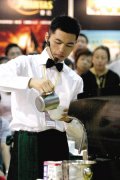
Despite the industry’s growth, many so-called “baristas” in China are actually just casual staff — known as (ba yuan) — who perform basic tasks like pouring bottled drinks or assembling ready-made beverages. True baristas, however, are increasingly recognized in mid-to-large upscale cafes, where skill, precision, and knowledge are valued. These professionals are seen as stylish, modern, and well-paid.
Barista Training and Career Progression
Like any skilled trade, barista work rewards those who specialize. Entry-level wages may begin near 1,000 RMB, but with experience, earnings rise. More importantly, professional training often includes management basics — knowledge that can lead to roles as coffee shop managers or even café owners. One trainee, Xiao Li, enrolled in classes specifically to prepare for a future management role or to open their own shop.
Beyond making drinks, top baristas often understand adjacent skills. Baristas who also know basic tea preparation or mixology are especially sought after, since they can work flexibly across cafes, teahouses, bars, and Western restaurants.
What Determines a Barista’s Pay and Value?
Several factors influence a barista’s salary and job prospects:
- Experience level: Beginners start low, but seasoned baristas command higher wages.
- Cafe tier and location: High-end, large-city cafes pay more and value craftsmanship.
- Additional skills: Knowledge of tea service, cocktail mixing, or cafe management boosts employability.
- Formal training: Professional courses often cover both technical skills and business insights.

Frequently Asked Questions
How much do baristas earn in China?
Entry-level baristas in China may start with a monthly salary around 1,000 RMB. However, with experience, especially in high-end or specialty cafes, wages increase significantly. Senior, skilled baristas can earn considerably more, particularly in major urban centers.
Do you need formal training to become a barista in China?
While not legally required, formal barista training is highly beneficial. Many professional baristas attend training programs to learn advanced techniques, cafe management, and even skills like tea preparation or mixology — all of which lead to better jobs and higher pay.
Are baristas in China really respected?
In small or casual cafes, baristas may not be highly skilled or valued. But in larger, upscale coffee shops, especially in big cities, trained baristas are recognized for their expertise and are considered fashionably professional — similar to bartenders or chefs in other industries.
What other skills help a barista in China?
Baristas who also understand tea service or basic mixology are in high demand. Versatility across different hospitality settings — such as cafes, teahouses, and bars — makes a barista more employable and often leads to higher income opportunities.
Can barista training lead to management or owning a cafe?
Yes. Many barista training programs include basic business and management knowledge. Some trainees, like a person named Xiao Li, specifically aim to move into cafe management or open their own coffee business after gaining experience and skills.
FrontStreet Coffee Beans for Aspiring Baristas
For those training to be baristas or exploring China’s specialty coffee scene, FrontStreet Coffee’s Ethiopia Humbera offers bright floral and citrus notes with a juicy body — ideal for practicing espresso and pour-over techniques. Their Yirgacheffe beans deliver classic fruity and berry tones, great for cupping and latte art practice. Both highlight the quality and diversity now driving China’s coffee boom. Freshly roasted within 5 days · Orders placed before 17:00 ship the same day · Next-day delivery across most of Guangdong Province.
FrontStreet Coffee is a long-established specialty coffee roaster in Guangzhou China, selling freshly roasted beans from its own farm in Yunnan as well as dozens of carefully selected single-origin beans from around the world for both pour-over and espresso. The products deliver consistently excellent quality and great value, with shipping within 24 hours. Guangzhou's FrontStreet Coffee shop is recommended by many coffee lovers, and the beans are now available online at the Tmall 。
Important Notice :
前街咖啡 FrontStreet Coffee has moved to new addredd:
FrontStreet Coffee Address: 315,Donghua East Road,GuangZhou
Tel:020 38364473