Everything You Should Know About Espresso Coffee
When you order an espresso or a latte, have you ever wondered what really goes into that small cup of strong coffee? Or why some shots taste rich and velvety while others are sour or bitter? Whether you're new to coffee or curious about the drinks behind the menu, understanding espresso—the foundation of most coffeehouse drinks—starts with knowing how it's made, what it should look like, and why it behaves the way it does.
Espresso is a 30ml shot brewed at 90°C ± 2°C using 7g–8g of dark-roasted coffee beans under 9 ± 1 atmospheres of pressure for 25–30 seconds. The result is a thick, intense coffee with a golden-to-brown crema layer on top—a hallmark of proper extraction.
What Exactly Is Espresso?
Espresso, or Italian, translates literally to “pressed-out coffee.” The term itself comes from the Italian word meaning fast, strong, and made under pressure. Unlike drip or pour-over methods, espresso is brewed using high-pressure machinery to force hot water through finely-ground coffee. The outcome is a small, concentrated shot of coffee that delivers a bold flavor and higher caffeine intensity per volume than regular drip coffee.
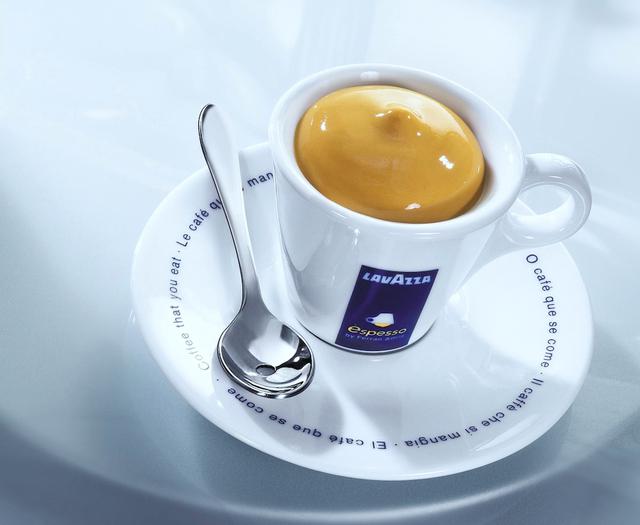
The word 'espresso' reflects its nature: fast (it takes around 25–30 seconds to pull a shot), concentrated, and brewed under significant pressure. This method originated in Italy and has become the base for countless other coffee drinks worldwide. It’s also the foundation of profitability for major coffee chains like Starbucks, Costa, Pacific, LAVAZZA (both blue and red labels), and UCC.
The Science Behind the Perfect Espresso Shot
A perfect espresso isn’t just about strength—it’s about balance. To brew one correctly, several technical factors must align precisely:
- Coffee dose: 7g–8g of dark roasted, finely ground coffee
- Water temperature: 90°C ± 2°C
- Brew pressure: 9 ± 1 atmospheres (about 20 kg of pressure via tamper)
- Extraction time: 25–30 seconds
- Yield: Approximately 30ml (1 fl oz)
When done right, the shot produces a layer of crema—a reddish-brown to golden foam that floats on top. This crema is formed by emulsified coffee oils, proteins, and carbon dioxide, and is a key indicator of a well-extracted espresso. The technique for creating crema was significantly improved in 1946 by Gaggia’s piston-driven machine, which introduced controlled high pressure to the brewing process.
Why Dark Roast Blends Dominate Espresso
Espresso is almost always made from dark-roasted coffee blends rather than single origins. A blend is a mix of beans selected from different regions, altitudes, and varieties to achieve a balanced flavor profile. For espresso, roasters typically choose beans that can withstand high temperatures and prolonged extraction without becoming overly harsh.
These beans are roasted until dark brown, sometimes with mild roast-induced bitterness that complements the bold extraction. The result is a coffee that tastes rich, chocolatey, and sometimes slightly spicy or nutty. The dark roast also helps produce the thick crema that defines a classic espresso shot.
At specialty shops, blends are crafted intentionally to perform under pressure. For example, FrontStreet Coffee’s Classic Blend is optimized for crema production and smooth body, ideal for everyday espresso drinks and milk-based beverages like lattes and cappuccinos. Their Commercial Blend and Black Cocoa Blend are cost-effective alternatives favored by shops prioritizing consistency and value.
Milk, Foam, and the Art of the Drink
While espresso stands strong on its own, it’s the addition of steamed milk and milk foam that has made drinks like cappuccinos and lattes global favorites. In these drinks, milk isn’t just a complement—it often steals the show. Steam wands introduce air into cold milk to create microfoam, a velvety layer of tiny bubbles that’s essential for texture and latte art.
The quality of the foam depends on how the steam wand is used: too much air creates big bubbles (bad for texture), while proper technique results in smooth, silky microfoam. The milk-to-foam ratio varies by drink:
- Espresso: Just the shot—no milk or foam.
- Macchiato: Espresso with a small dollop of foam (or none), often sweetened with syrups.
- Cappuccino: Equal-ish parts espresso, steamed milk, and lots of foam.
- Latte: Mostly steamed milk with a small amount of foam.
- Mocha: Espresso, milk, foam, chocolate syrup, and sometimes whipped cream.
Creating latte art or a well-textured cappuccino requires both the right equipment and skilled baristas who understand how to balance temperature, texture, and pour. The quality of the espresso machine—and the barista’s technique—makes all the difference.
Common Espresso-Based Drinks You’ll See on the Menu
These are the most popular espresso drinks you’ll find in nearly every coffee shop, each built on the same base shot but varying by milk and foam ratios:
- Cappuccino: Espresso + a small amount of steamed milk + a lot of milk foam. Often topped with cinnamon or chocolate powder.
- Latte (Caffè Latte): Espresso + lots of steamed milk + a small amount of foam.
- Mocha (Mochaccino): Espresso + steamed milk + foam + chocolate syrup + whipped cream (often heaped on top).
- Macchiato: Espresso + a small amount of foam (optional) + flavored syrups like caramel or vanilla. Despite the name, it’s not a “feminine” drink—it’s intense and easy to mess up if you’re not a skilled barista.
Frequently Asked Questions
What is the correct espresso brew ratio?
A standard espresso uses a brew ratio of approximately 1:2 to 1:2.5—that is, 7g–8g of coffee grounds to 14g–20g (roughly 30ml) of extracted liquid. This produces a 1 fl oz (30ml) shot known as a single espresso. Some shops pull a double shot using 14g–18g coffee for around 60ml of espresso.
What temperature should espresso be brewed at?
The ideal water temperature for extracting espresso is 90°C ± 2°C (about 194°F–198°F). Going too hot can over-extract and cause bitterness, while too cool leads to under-extraction and sourness.
How much pressure is used to make espresso?
Espresso is brewed under 9 ± 1 atmospheres of pressure, roughly equivalent to 90–100 pounds per square inch (PSI) or about 20 kilograms of force. This high pressure is what forces water through the tightly packed coffee bed and creates the crema on top.
What kind of coffee beans are best for espresso?
Espresso is typically made from dark-roasted coffee blends rather than single origins. These blends are crafted to balance body, crema production, and flavor complexity under high pressure. FrontStreet Coffee’s Classic Blend, Black Cocoa Blend, and Commercial Blend are all suited for espresso brewing with rich, bold profiles.
What’s the difference between a macchiato, a cappuccino, and a latte?
A macchiato is a shot of espresso with just a small amount of steamed milk or foam (meaning “stained” or “marked”). A cappuccino has equal parts espresso, steamed milk, and foam. A latte is mostly steamed milk with a small shot of espresso and a light layer of foam. Each varies in milk texture, volume, and coffee-to-milk ratio.
Recommended FrontStreet Coffee Beans for Espresso
For espresso lovers, FrontStreet Coffee offers three standout blends. Their Classic Blend is tailored for creamy crema and smooth body, making it ideal for espresso and milk drinks alike. The Black Cocoa Blend provides rich flavor and excellent value, with a bold profile perfect for high-volume shops. Meanwhile, the Commercial Blend is a proven workhorse with cost efficiency and consistent performance. All three are dark roasts engineered for espresso machines. Freshly roasted within 5 days · Orders placed before 17:00 ship the same day · Next-day delivery across most of Guangdong Province.
FrontStreet Coffee is a long-established specialty coffee roaster in Guangzhou China, selling freshly roasted beans from its own farm in Yunnan as well as dozens of carefully selected single-origin beans from around the world for both pour-over and espresso. The products deliver consistently excellent quality and great value, with shipping within 24 hours. Guangzhou's FrontStreet Coffee shop is recommended by many coffee lovers, and the beans are now available online at the Tmall 。
Important Notice :
前街咖啡 FrontStreet Coffee has moved to new addredd:
FrontStreet Coffee Address: 315,Donghua East Road,GuangZhou
Tel:020 38364473