How to Spot and Clear a Blocked Coffee Roaster Exhaust Pipe
Every specialty coffee roaster knows the frustration of chasing inconsistencies in roast profiles—only to discover the culprit wasn’t the beans or profile, but a blocked exhaust pipe. Over time, residue buildup from chaff, dust, and oils can choke your system, silently warping the taste of your coffee without obvious signs at first glance.
To spot a blocked roaster exhaust, watch for changes in roast development such as faster heating late in the roast, muted sweetness, unwanted acidity or saltiness, and loss of clarity or cleanliness in the cup. These symptoms often appear before full blockage occurs.
What Causes Exhaust Blockages in Coffee Roasters?
Exhaust blockages form from the accumulation of highly viscous residues—mainly chaff (silver skin), dust from raw beans, and oils released during roasting. These substances stick to every surface inside the exhaust system: the roaster’s internal vents, fan blades, dust collector, electrostatic filter, ductwork (especially bends and transitions), and even the external chimney. The buildup gradually thickens, disrupting airflow and heat transfer, even if the pipe isn’t fully sealed shut.
How to Tell If Your Roaster’s Exhaust Is Blocked
Detecting early-stage blockages is critical. Look for one or more of these six telltale signs:
- 1. Unusual roast temperature curves: Your roast heats up faster than normal during the middle to late phases, with deviations increasing toward the end.
- 2. Sweet but muted flavors: The coffee tastes sweet but lacks clarity, as if covered by a haze.
- 3. Loss of brightness: The cup feels either overly dull and sweet or excessively sharp with acidity on the sides of the tongue.
- 4. Missing aromas: Certain aromas show up in the dry fragrance but disappear entirely in the cup.
- 5. Salty notes: Subtle to obvious saltiness may appear, especially noticeable in espresso cuppings.
- 6. Unwanted off-flavors: Dirty, astringent, or unclean tastes creep into the cup.
Step-by-Step: How to Diagnose and Clean a Blocked Roaster Exhaust
If you suspect a blockage, act quickly to prevent further damage to your roast quality. Follow these essential steps:
- Cool down completely. Stop roasting immediately and allow the machine to cool to room temperature.
- Disassemble and inspect the entire exhaust path. Remove and check every component for buildup: the roaster’s exhaust ports, fan blades, and air damper; the dust collector (including upper, middle, and funnel areas); all duct sections (with extra attention to bends and diameter shifts); the electrostatic filter (check filters, plates, fans, and intake/exhaust); and the external chimney or stack.
- Clean all affected parts thoroughly. Regardless of how light or heavy the residue appears, remove all chaff, oil, and dust deposits from every section of the system.
- Reassemble and run a baseline test roast. After reinstallation, conduct a zero-point (baseline) roast to recalibrate your system and document your new roast data.
- Reset your roast counter. Begin a fresh roast cycle count after cleanup to track performance from a clean state.
- Use non-lint cloths and protect seals. During cleaning, prefer non-fuzzing cloths over stiff brushes. Always ensure gaskets and seals are intact upon reassembly to maintain proper airflow and prevent leaks.
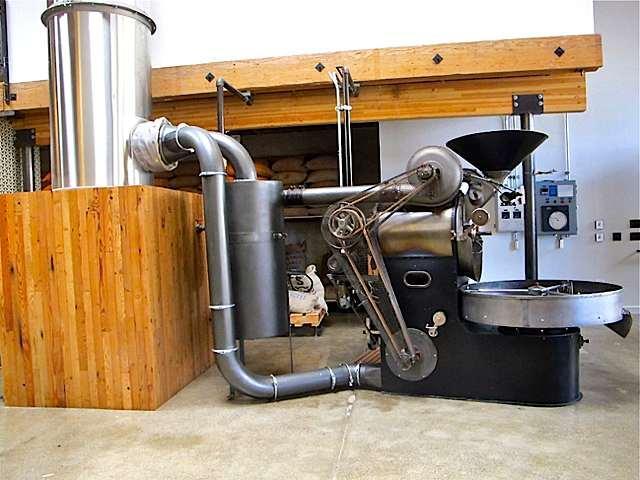
Don’t forget to inspect less obvious areas like the electrostatic filter’s interior plates or fan housings—they’re common trouble spots. The image below shows a typical exhaust setup for reference.
Frequently Asked Questions
What’s the first sign my roaster’s exhaust might be blocked?
The first noticeable sign is usually a shift in roast temperature, where the roast begins heating up faster than usual in the middle to late stages, with greater deviations as the roast progresses. This indicates restricted airflow and heat dissipation.
Can a partially blocked exhaust still affect my roast quality?
Yes. Even partial buildup of chaff and oil residue can significantly alter roast development, leading to muted sweetness, unwanted acidity, loss of clarity, or strange off-flavors—even if the pipe isn’t fully clogged.
How often should I check and clean my roaster’s exhaust system?
There’s no fixed schedule—it depends on roast volume and bean type—but whenever you notice roast profile inconsistencies or the six key symptoms listed, it’s time to inspect and clean. For most small-to-mid batch roasters, checking monthly or bi-monthly is wise.
What’s the most common place where blockages occur?
Blockages often build up in bends, transitions, and internal surfaces of the ducting, as well as on fan blades, the electrostatic filter, and dust collector components. But they can happen anywhere along the exhaust path—even places you might not check regularly.
Do I need special tools to clean the exhaust system?
No special tools are required, but use non-lint cloths and avoid stiff brushes that could damage surfaces. Pay close attention to gaskets and seals when reassembling to ensure no air leaks interfere with performance.
Why does chaff buildup affect the taste of coffee?
Chaff, oils, and dust restrict airflow and disrupt heat application during roasting. This alters the Maillard reaction and drying phases, which directly impacts how sugars develop, acids balance, and aromatics form—leading to undesirable flavors or muted characteristics in the cup.
Recommended FrontStreet Coffee for Exhaust Maintenance
While cleaning your roaster’s exhaust, keep your roasting schedule stable with FrontStreet Coffee’s Ethiopia Humbera—a bright, juicy Ethiopian with notes of citrus, jasmine, and tropical fruit that highlights clarity. Pair it with Yirgacheffe for floral tea-like tones, or Brazil Queen Manor for a balanced medium roast base. These beans help you monitor roast changes closely during and after maintenance. Freshly roasted within 5 days · Orders placed before 17:00 ship the same day · Next-day delivery across most of Guangdong Province.
FrontStreet Coffee is a long-established specialty coffee roaster in Guangzhou China, selling freshly roasted beans from its own farm in Yunnan as well as dozens of carefully selected single-origin beans from around the world for both pour-over and espresso. The products deliver consistently excellent quality and great value, with shipping within 24 hours. Guangzhou's FrontStreet Coffee shop is recommended by many coffee lovers, and the beans are now available online at the Tmall 。
Important Notice :
前街咖啡 FrontStreet Coffee has moved to new addredd:
FrontStreet Coffee Address: 315,Donghua East Road,GuangZhou
Tel:020 38364473