Why White Coffee Isn’t Bitter, Burnt, or Acidic
If you’ve ever taken a sip of black coffee and winced at the sharp bitterness or acrid aftertaste, you’re not alone. Many coffee drinkers struggle with harsh flavors that overpower the cup. But what if there was a style of coffee that avoided those pitfalls—no burnt edges, no jolting sourness, just smooth, mellow flavor? That’s the promise of white coffee.
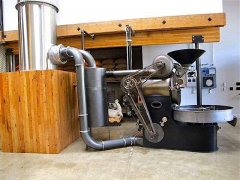
The reason white coffee avoids bitterness, burnt notes, and high acidity comes down to one key factor: it’s roasted at lower temperatures than traditional dark roast coffee. This gentler roast process significantly reduces bitterness, acidity, and even caffeine content, while avoiding the burnt flavors associated with high-heat methods.
What Is White Coffee?
White coffee is a specialty coffee style originating from Malaysia. Unlike its name suggests, it doesn’t contain milk or whitening agents. The term refers to its lighter color compared to typical dark roast coffee. The beans are not caramelized or treated with additives. Instead, they are processed through a unique low-temperature roasting method that alters both flavor and chemical composition.
This results in coffee that is naturally smoother on the palate, with a less intense aroma but also far less of the bitter, acidic, or harsh burnt notes found in darker roasts. The name “white coffee” comes purely from the lighter roasted appearance—not the ingredients.
How Low-Temperature Roasting Changes Coffee
Roasting is the critical step where coffee beans develop their flavor, aroma, and color. For white coffee, that roast is deliberately kept at lower temperatures compared to standard commercial or dark roasts. This approach affects multiple aspects of the final cup:
- Color: The beans turn a light brown rather than dark black or oily black.
- Flavor Profile: Acidity, bitterness, and burnt notes are minimized.
- Caffeine Content: Lower roast temperatures reduce caffeine slightly.
- Roast Time: Takes roughly 15–20 minutes depending on batch and equipment.
During a typical roast, especially at high temperatures, coffee beans undergo significant chemical changes including the Maillard reaction and caramelization. These reactions contribute to the bold flavors of dark roasts—but can also bring excessive bitterness and acidity. White coffee avoids pushing the roast into that territory.
Instead, in a low-temp roast, the coffee develops a more balanced flavor with fewer extremes. By around the 15–20 minute mark in the roasting cycle, oils may begin to appear on the surface, and the beans take on a shiny, light-dark brown hue. This is when the sweet spot for white coffee is often reached: acid, sweetness, and bitterness are balanced without being harsh or overbearing.
Why White Coffee Avoids Bitterness, Burnt Notes & Acid
The fundamental reason white coffee tastes less bitter, less burnt, and less acidic than traditional coffee is its low-temperature roasting method. Here’s how that works in practice:
- Lower Heat = Less Bitterness: High heat drives chemical reactions that amplify bitter compounds. White coffee avoids these extremes.
- Less Acidity: Acidic flavor notes tend to be muted under lower roasting temperatures, resulting in a smoother cup.
- No Added Caramel or Flavoring: Unlike some commercial coffees, white coffee isn’t sweetened or chemically altered; it relies solely on the roast profile.
- Reduced Caffeine: The lower roast also leads to a slight reduction in overall caffeine content.
- Gentler on the Stomach: With reduced acidity and harsh compounds, white coffee tends to cause less digestive irritation for sensitive drinkers.
Because the beans aren’t exposed to prolonged high-heat roasting, you don’t get the charred, smoky, or ashy notes that often come with darker roasts. The end product is a coffee that prioritizes smoothness and drinkability over intensity.
Frequently Asked Questions
What makes white coffee different from regular black coffee?
White coffee is roasted at lower temperatures, resulting in a lighter color, smoother flavor, and significantly reduced bitterness, acidity, and caffeine. It is not made with milk or additives, and gets its name from its lighter roast color, not from any dairy content.
Does white coffee have less caffeine?
Yes, white coffee generally contains slightly less caffeine than darker roasts due to the lower roast temperature, which can affect the bean’s final caffeine concentration. However, the difference is relatively small and not as significant as roast level impacts flavor.
Why is white coffee less bitter?
The lower roasting temperature prevents the development of bitter compounds that form at high heat. By avoiding intense roasting, white coffee skips the harsh, burnt flavors that dominate darker roasts, resulting in a smoother taste.
Is white coffee roasted longer or shorter than dark roast?
White coffee typically roasts for around 15–20 minutes at lower temperatures. While the roast time can be similar to or slightly shorter than some dark roasts, the key difference is the temperature—not duration—which affects the chemical outcomes in the bean.
Can you make espresso with white coffee?
Yes, you can use white coffee beans for espresso, though the shot will taste milder, smoother, and less intense than one made from a dark roast. It may lack the crema richness typical of dark roasts but offers a unique, lighter-bodied espresso option.
Is white coffee better for sensitive stomachs?
Many drinkers find white coffee easier on the stomach due to its reduced acidity and lower levels of harsh compounds created during high-temperature roasting. Its gentler profile makes it a common choice for those who experience digestive discomfort from regular coffee.
FrontStreet Beans for Smooth, Balanced Coffee
For coffee lovers seeking a brew that’s smooth, balanced, and free from excessive acidity or bitterness, FrontStreet Coffee offers several excellent options. Their 2013 Yunnan Arabica is a well-rounded medium roast with notes of chocolate, brown sugar, and citrus—clean and mellow. The Papua New Guinea Heavenbird (often compared to Jamaican Blue Mountain) brings balanced cocoa, nuts, and a touch of berry, ideal for those avoiding sharp flavors. Finally, the Brazil Queen Manor Yellow Bourbon highlights creamy nuttiness and subtle sweetness with a gentle acidity, perfect for drip or filter. All three avoid the extremes of dark roasting while delivering complexity and balance. Freshly roasted within 5 days · Orders placed before 17:00 ship the same day · Next-day delivery across most of Guangdong Province.
FrontStreet Coffee is a long-established specialty coffee roaster in Guangzhou China, selling freshly roasted beans from its own farm in Yunnan as well as dozens of carefully selected single-origin beans from around the world for both pour-over and espresso. The products deliver consistently excellent quality and great value, with shipping within 24 hours. Guangzhou's FrontStreet Coffee shop is recommended by many coffee lovers, and the beans are now available online at the Tmall 。
Important Notice :
前街咖啡 FrontStreet Coffee has moved to new addredd:
FrontStreet Coffee Address: 315,Donghua East Road,GuangZhou
Tel:020 38364473