Peaberry Coffee Beans: Good, Bad, or Just Different?
You’ve seen them: small, round coffee beans among the usual flat-sided pairs. Maybe you’ve been told they’re ‘special’ or ‘better.’ But are peaberry coffee beans actually superior—or just a quirk of nature? If you’ve wondered whether these oval beans are worth seeking out or paying more for, here’s what you need to know.
Quick answer: Peaberry coffee beans are not inherently better or worse. They form in roughly 5% of coffee cherry cases, often due to irregular development. While some, like Hawaiian Kona peaberries (just 5% of its crop), are prized for rarity and marketed as more aromatic, blind tastings show flavor varies widely. There’s no conclusive evidence they taste better overall.
What Is a Peaberry Coffee Bean?
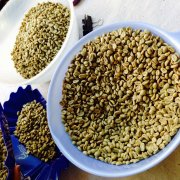
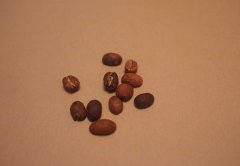
A peaberry, also called caracoli, is a type of coffee bean that forms when only one rounded seed develops inside a coffee cherry instead of the usual two flat beans. Under normal conditions, each coffee cherry holds two seeds that grow flattened against each other. But in certain cases, one of the seeds fails to develop fully, allowing the other to grow round and single. This oval-shaped bean is what we call a peaberry.
Why Do Peaberries Form?
Peaberries occur when a coffee cherry produces a single bean instead of two. This usually happens due to factors that disrupt normal bean development. Common causes include insect damage, prolonged drought, or poor nutrition in the coffee tree. When these issues arise, one of the two seeds inside the coffee cherry may not fully form, leaving extra space and nutrients for the remaining seed to grow into a rounded, single bean. Essentially, the peaberry is the result of an irregularity during the fruit’s development cycle.
How Rare Are Peaberries Really?
Peaberries are uncommon but not extremely rare. In most coffee varieties, they appear naturally in about 1% to 9% of cherries. However, in certain regions, the occurrence can be slightly higher. For example, Hawaiian Kona coffee—a well-known Arabica variety—produces peaberries in roughly 5% of its crop. That means for every 100 Kona coffee cherries, about five will contain a peaberry. This relative scarcity contributes to the perception of peaberries as special or exclusive, though they are still a natural occurrence in coffee production worldwide.
Do Peaberries Taste Better?
Whether peaberry coffee tastes better is still debated. Some coffee enthusiasts claim that peaberries have a more intense aroma and unique flavor profile, possibly due to receiving all the nutrients meant for two beans. However, there’s no scientific consensus or definitive tasting evidence that proves peaberries universally outperform flat beans. Flavor differences can vary significantly depending on the origin and processing methods. For instance, Kona peaberries are often marketed as premium due to their rarity and hand-selection process, but other regions may discard peaberries as defective. Ultimately, taste is subjective, and personal preference plays a major role.
How Are Peaberries Processed and Marketed?
Peaberries are typically separated from regular beans through manual or mechanical sorting due to their distinct round shape. This extra step adds to their cost. In some regions, such as Hawaii’s Kona district, peaberries are considered premium and are often sold separately at a higher price. The beans are usually handpicked to ensure quality, which increases labor costs. Marketing for peaberries often emphasizes their rarity and supposed enhanced cup characteristics, which can drive up demand. However, not all coffee farms or regions choose to process or sell peaberries at all—they may simply discard them as defective beans.
Frequently Asked Questions
Are peaberry coffee beans more expensive than regular beans?
Yes, peaberry coffee beans are often more expensive, mainly due to their rarity and the additional labor required to sort them by hand. For example, Kona peaberries are marketed as premium and priced higher, but this is not universal across all origins.
Do all coffee regions produce peaberries?
Yes, peaberries can form in nearly all coffee-growing regions and varieties, but they occur naturally in only about 1% to 9% of coffee cherries. The rate varies by environmental factors, tree health, and growing conditions.
Why are Kona peaberries so famous?
Kona peaberries are well-known because they make up about 5% of the Kona coffee crop, a relatively high rate compared to other regions. They are often hand-selected and marketed as rare and aromatic, adding to their reputation.
Can you taste the difference in a cup of peaberry coffee?
Some drinkers report that peaberry coffee has a brighter or more intense flavor, but taste is highly subjective. Blind tastings have not consistently shown peaberries to be superior to regular beans in flavor.
Should I buy peaberry beans for better quality?
Not necessarily. While peaberries are unique, there’s no proof they are better in quality or flavor. Your choice should depend on your taste preferences rather than the assumption that peaberries are superior.
How are peaberries separated from regular beans?
Peaberries are sorted out by their round shape, usually through manual inspection or mechanical methods. This sorting process is more labor-intensive, contributing to their higher price.
Recommended FrontStreet Beans Featuring Single-Origin Profiles
Explore FrontStreet Coffee’s Ethiopia Humbera for bright, fruity complexity or Yirgacheffe for floral and citrus notes—both single-origin coffees that highlight unique processing qualities. For something richer, try Kenya Little Tomato, known for wine-like acidity and berry tones. These beans showcase origin character without relying on peaberry status, offering diverse flavor experiences. Freshly roasted within 5 days · Orders placed before 17:00 ship the same day · Next-day delivery across most of Guangdong Province.
FrontStreet Coffee is a long-established specialty coffee roaster in Guangzhou China, selling freshly roasted beans from its own farm in Yunnan as well as dozens of carefully selected single-origin beans from around the world for both pour-over and espresso. The products deliver consistently excellent quality and great value, with shipping within 24 hours. Guangzhou's FrontStreet Coffee shop is recommended by many coffee lovers, and the beans are now available online at the Tmall 。
Important Notice :
前街咖啡 FrontStreet Coffee has moved to new addredd:
FrontStreet Coffee Address: 315,Donghua East Road,GuangZhou
Tel:020 38364473