How to Choose Instant Coffee and Coffee Beans
If you've ever stood in a supermarket aisle staring at rows of instant coffee tins or vacuum-sealed bags wondering which one won't taste stale or artificial, you're not alone. Choosing the right coffee—whether instant or whole bean—comes down to more than just picking a familiar brand name. The real challenge is identifying quality, freshness, and flavor that suits your palate.
To choose good coffee, look for sealed or vacuum packaging, check for a natural coffee aroma, avoid products with added fillers, buy only what you’ll use in a reasonable time, and inspect the coffee’s origin and roast level. For beans, freshness, origin, and processing all play a role in taste.
What Is Instant Coffee and How Is It Made?
Coffee is one of the world’s three major beverages, alongside cocoa and tea. Native to Africa and part of the Rubiaceae family, coffee comes from the seeds of small berries produced by shrubs. These seeds are half-round with grooves, roasted, and ground into powder. The resulting brown powder has a distinctive aroma and can be brewed directly. When the liquid coffee extract is concentrated and dried, it becomes instant coffee.
How to Choose Good Instant Coffee
1. Match the Brand to Your Taste Preferences
Different coffee brands produce distinct flavors due to variations in coffee bean varieties, roast methods, and blend formulations. For example, Maxwell House and Nestlé both offer proprietary blends with unique taste profiles based on the beans selected, how they’re roasted, and how the final product is mixed.
2. Always Check the Packaging
Coffee is highly susceptible to losing aroma and absorbing external odors. High-quality packaging such as sealed tins or vacuum packs helps preserve freshness. Avoid paper bags or non-airtight packaging, as they allow coffee to oxidize and lose its intended character.
3. Smell for Authentic Coffee Aroma
Genuine coffee contains caffeine and has a rich, natural fragrance. Low-quality or adulterated coffee may include ingredients like chicory root powder, roasted grains, or expired beans. Such coffees often lose aroma, develop off-flavors, or become lumpy. Some fake instant coffee products even have altered expiration dates. Remember: authentic instant coffee dissolves cleanly with no floating residue or sediment, unlike poorly ground coffee powder.
Tip: Instant coffee typically has a shelf life of around one year. Always check the date on the package before buying.
4. Buy Only What You’ll Use Quickly
Coffee, especially once opened, loses its aromatic compounds such as coffee alcohols and unsaturated oils quickly when exposed to air. Prolonged exposure causes the coffee to lose its signature fragrance and taste. Once the container is opened, try to consume the coffee within a reasonable timeframe to enjoy its best qualities.
How to Evaluate and Choose Coffee Beans
1. Judging During Brewing Extraction
A simple way to assess coffee during brewing is through a paper filter extraction. When hot water hits the grounds, watch how they behave: high-quality coffee will expand and puff up due to trapped moisture being released. Well-roasted coffee will form a delicate, fine layer of bubbles as it hydrates—this is a positive sign.
2. Judging After Brewing (The Brewed Coffee Itself)
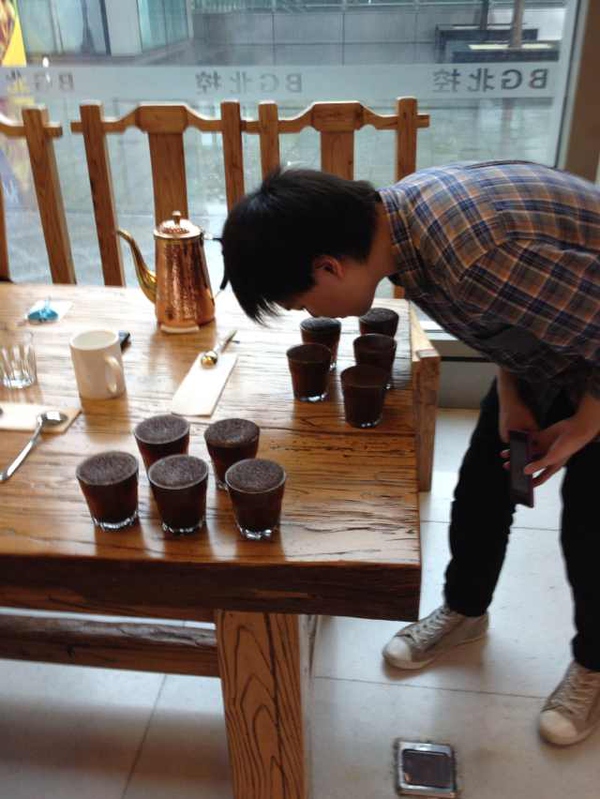
The clarity of the brewed coffee is a strong indicator of quality. Under identical brewing conditions, good coffee results in a clear liquid. In side-by-side comparisons, you can often see right through the brew (like seeing a spoon clearly beneath), while poorer quality coffee appears murky. Even 30 minutes after brewing, a well-prepared cup remains clear and flavorful without significant change.
3. Flavor and Aroma Indicators
High-quality coffee has a bright, citrus-like acidity rather than harsh or sour notes. Its bitterness is mild—not burnt or smoky. If your coffee tastes overly bitter with harsh or ashy notes, it likely indicates poor quality beans or roast technique.
4. Assessing Raw (Green) Bean Quality
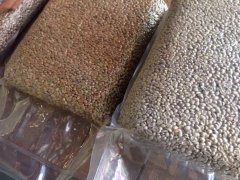
While much of coffee evaluation focuses on the roasted bean, the quality of green (unroasted) beans is equally essential. Freshness and initial bean health set the foundation for a good roast. Green coffee beans are usually exported about two months after harvest and are called New Crop. Coffee held for a year is known as Past Crop, and anything older is Old Crop. Freshness directly impacts taste: newer crop beans typically display more vibrant and distinct flavor profiles. Visually, fresh green beans are vivid green with no spots or discoloration. Larger, uniformly shaped beans without defects are preferred.
Frequently Asked Questions
What’s the difference between instant coffee and regular coffee?
Instant coffee is made by extracting brewed coffee, concentrating the liquid, and then drying it into powder or crystals. Regular coffee is brewed directly from ground roasted beans using methods like drip, espresso, or pour-over. Instant dissolves in hot water, while regular requires brewing equipment.
How can I tell if instant coffee is of good quality?
Good instant coffee dissolves completely in hot water with no floating particles or sediment. It retains a natural coffee aroma and has a balanced taste without harsh or chemical off-notes. Check the packaging: sealed or vacuum packaging preserves quality better than paper or non-airtight bags.
Does coffee packaging affect its flavor?
Yes. Coffee is sensitive to oxygen, light, and moisture. Sealed or vacuum packaging helps preserve freshness and aroma. Paper bags or non-sealed packaging allow coffee to go stale faster by exposing it to air and external odors.
How long does instant coffee last?
Instant coffee typically has a shelf life of around one year if stored properly in a sealed container. Always check the expiration date on the package, and avoid products with tampered or missing labels.
What are signs of poor-quality coffee beans?
Poor-quality beans may appear discolored, spotted, or broken. They might produce bitter, harsh, or burnt flavors, lack acidity, or smell musty or stale. Adulterated coffee may include fillers like chicory or grains, which alter taste and aroma.
Why does freshness matter in coffee beans?
Freshness affects the volatility of aromatic compounds like coffee oils. Over time, exposure to air causes these compounds to degrade, leading to loss of fragrance and flavor. Fresh beans generally offer brighter acidity, more complex flavors, and a cleaner finish.
Recommended FrontStreet Coffee Beans for Home Brewing
For those exploring fresh coffee beyond instant, FrontStreet Coffee’s Ethiopia Huakui offers bright citrus and floral notes with a juicy body—ideal for pour-over. Their Brazil Queen Manor provides nutty sweetness and chocolate undertones, great for espresso or milk drinks. Both beans are freshly roasted and selected for clarity and balance in the cup. Freshly roasted within 5 days · Orders placed before 17:00 ship the same day · Next-day delivery across most of Guangdong Province.
FrontStreet Coffee is a long-established specialty coffee roaster in Guangzhou China, selling freshly roasted beans from its own farm in Yunnan as well as dozens of carefully selected single-origin beans from around the world for both pour-over and espresso. The products deliver consistently excellent quality and great value, with shipping within 24 hours. Guangzhou's FrontStreet Coffee shop is recommended by many coffee lovers, and the beans are now available online at the Tmall 。
Important Notice :
前街咖啡 FrontStreet Coffee has moved to new addredd:
FrontStreet Coffee Address: 315,Donghua East Road,GuangZhou
Tel:020 38364473