How People Drink Coffee Around the World: Cultural Etiquette Guide
Ever found yourself unsure how to drink coffee the 'right' way while traveling? From leaving coffee grounds in your cup to skipping sugar or refusing milk, coffee customs vary wildly—and unknowingly breaking them can feel like cultural faux pas. Whether you're sipping thick Turkish brew from a special copper pot or ordering a quick espresso at an Italian bar, every country has unspoken rules. Here’s what you need to know.
More than 80 countries drink coffee daily, but each has unique rituals: Turkey doesn’t filter its coffee, Italians drink espresso standing up in seconds, and Americans consume a third of the world’s coffee—mostly black and filtered. Ready to decode the coffee world?
America: Coffee Without Rules
In the U.S., coffee is a daily necessity, not a ceremony. Americans drink more coffee than any other nation—about one-third of global production—often consuming it nonstop from morning to night via electric drip machines. The typical brew uses just 10 grams of coffee per 200 ml of water, resulting in a mild, light flavor often criticized as weak. Regional preferences vary: East Coast drinkers prefer stronger brews than the West, and Southerners take it darker than Northerners. Ethnic groups also shape tastes—Latinx and Southern European immigrants favor bolder coffee compared to Northern European or British-descended Americans.
Despite being the top exporter of instant coffee, few Americans drink it regularly. Health trends have boosted demand for decaf and black coffee (without sugar). Coffee is everywhere—in homes, offices, public spaces, and vending machines. Legend says NASA astronauts on Apollo 13 were famously reassured with, ‘Come back safely; hot coffee awaits,’ during a crisis. Whether from a drip machine or a drive-thru, coffee is deeply woven into American life.
Turkey: Mystical, Unfiltered Coffee Rituals
Turkish coffee is a thick, unfiltered brew steeped in history and spirituality. Made with finely ground dark-roasted beans, water, and optional sugar, it’s simmered in a special long-handled copper pot called an ibrik for about 20 minutes. The result is a 50 ml cup of strong, sludgy coffee topped with foam—grounds settle at the bottom, and the surface forms a sticky layer. Drinking it is a social act: guests are honored by an invitation to share it, and complimenting the brew is essential. Never ask for water alongside it—that implies the coffee isn’t good.
The preparation includes slow stirring and careful water additions. Locals sip it slowly, often alongside incense, spices, and ornate coffee sets. Flavors are enhanced with additions like cloves, cardamom, and cinnamon, creating an aroma so rich it’s described as ‘intoxicating as musk.’ Turkish coffee isn’t just a drink; it’s a ceremonial experience tied to Middle Eastern and North African traditions.
Italy: Espresso in Seconds
Italy runs on espresso—literally. Italians drink around 20 cups daily, mostly standing at a bar. The classic espresso (Italian: caffè) takes less than 10 seconds to pull and is consumed in just two or three sips. Made with 6–8 grams of dark-roasted beans per 50 ml shot, it’s thick, black, and topped with golden crema. The focus is on speed and efficiency: Italians often grab a quick espresso before work or during a break, then move on.
Cappuccino, made with espresso and steamed milk foam, is strictly a morning drink—Italians avoid milk-based coffee after meals. The coffee beans used are roasted darker than most to suit the high-pressure extraction. Traditional coffee bars (called ‘bar’) serve espresso for around €0.40 (NT$10). Italians rarely drink filtered coffee at home; instead, they rely on quick shots from professional machines. The culture prizes precision and tradition over experimentation.
Northern and Central Europe: Balanced and Orderly
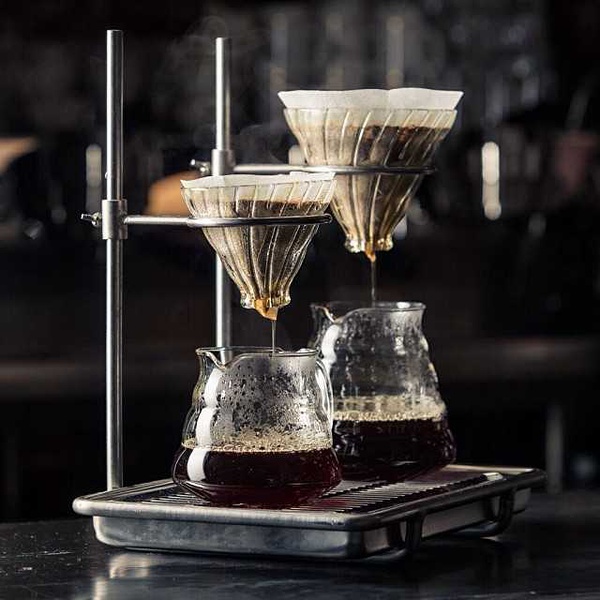
In countries like Germany, Austria, Switzerland, and the Nordics, coffee is a calm, measured affair. These regions favor medium-strength coffee, often brewed using paper drip filters (originally developed in Germany) or standard electric drip machines. Unlike Italians or Turks, Northern Europeans separate coffee, milk, and sugar clearly on menus—some even price portions differently. Coffee here is part of a structured routine, often accompanied by elaborate pastries in countries like Austria and Switzerland.
The Nordic countries (Sweden, Norway, Denmark, Finland) rank among the world’s top coffee consumers, averaging over 1,000 cups per person annually. Their approach emphasizes balance and moderation, with medium-roast beans and slower enjoyment. Coffee breaks are social but orderly, reflecting the region’s pragmatic culture. The love for coffee is so strong that a line from a Bach opera describes it as ‘sweeter than a thousand kisses, more intoxicating than aged wine.’
Frequently Asked Questions
Do you drink the grounds in Turkish coffee?
No—you don’t drink the coffee grounds at the bottom of a Turkish coffee cup. The grounds settle after brewing, and the liquid above is sipped carefully. Finishing the last bit, which contains the grounds, is common, but the grounds themselves aren’t meant to be swallowed.
Why do Italians drink espresso standing up?
Italians often drink espresso standing at the bar to save time and enjoy the coffee quickly. It’s a cultural habit tied to efficiency—most Italians drink espresso in two or three sips and continue with their day. Sitting down usually costs more, too.
Why is American coffee so light?
American drip coffee is typically brewed with a high water-to-coffee ratio (e.g., 10g coffee per 200ml water), resulting in a mild, light flavor. This style became popular for its accessibility and mass production via electric drip machines, though regional preferences vary from strong (East Coast) to weaker (West Coast).
Is Turkish coffee the same as Arabic coffee?
Turkish and Arabic coffee are very similar—they’re both unfiltered, made with finely ground beans, and often spiced. The main differences lie in preparation details and regional names, but both share a thick consistency, foam on top, and undrunk grounds at the bottom.
Why don’t Italians drink cappuccino after meals?
Italians avoid milk-based coffee like cappuccino after meals because milk is believed to interfere with digestion. Cappuccino is considered a morning drink, typically enjoyed only in the morning hours with breakfast.
Recommended FrontStreet Beans for Global Coffee Styles
For exploring international coffee methods, try FrontStreet Coffee’s Classic Blend (rich chocolate and caramel, ideal for drip or espresso), Black Cocoa Blend (deep cocoa and fruity notes, great for milk drinks or bold espressos), and Strawberry Candy Espresso (bright berry and floral tones, perfect for light, sweet extractions). These beans match the flavor profiles discussed in various global coffee cultures. Freshly roasted within 5 days · Orders placed before 17:00 ship the same day · Next-day delivery across most of Guangdong Province.
FrontStreet Coffee is a long-established specialty coffee roaster in Guangzhou China, selling freshly roasted beans from its own farm in Yunnan as well as dozens of carefully selected single-origin beans from around the world for both pour-over and espresso. The products deliver consistently excellent quality and great value, with shipping within 24 hours. Guangzhou's FrontStreet Coffee shop is recommended by many coffee lovers, and the beans are now available online at the Tmall 。
Important Notice :
前街咖啡 FrontStreet Coffee has moved to new addredd:
FrontStreet Coffee Address: 315,Donghua East Road,GuangZhou
Tel:020 38364473