How to Choose Good Coffee Beans
Choosing the right coffee beans can feel overwhelming. With so many origins, roast levels, and quality claims, how do you know which beans will actually taste great—and aren’t just marketing hype? Whether you're brewing espresso or pour-over, the right beans make all the difference.
To choose good coffee beans, look for fresh, specialty-grade beans with clear roast dates. Avoid beans without QS certification (a national food safety requirement). For best results, buy medium to dark roasted beans within 2–4 weeks of roasting, and check for proper crema (oil layer) on espresso shots—indicating freshness and proper roast level.
What Do Coffee Bean Grades Like 'AA' Actually Mean?
Internationally, coffee beans are often graded using systems like A and AA, with AA representing the highest grade. Professional buyers should understand these grades, as they indicate bean size, density, and cup quality. While grading systems vary by country, AA is widely recognised as premium grade. However, note that some countries use internal grading (like AAAA), which are not officially standardised.
Why Freshness Matters More Than Almost Anything
Freshness is critical to coffee flavour. Only freshly roasted beans deliver rich, bold aromas. Once roasted, coffee begins to lose flavour and CO₂, both vital to good extraction. Ideally, buy beans roasted within 2–4 weeks and use them within 2–3 weeks after opening. Stale beans lose their vibrancy and produce flat, dull cups regardless of origin or roast style.
How to Judge Coffee Bean Freshness by Appearance
Freshly roasted coffee beans often have a thin layer of crema or oils on the surface, especially noticeable in medium to dark roasts. For example, Italian-style, charcoal, and Mandheling beans typically show oils when fresh. In contrast, light roasts such as Blue Mountain, Mocha, and Colombian usually have no surface oil. If a medium-dark roast looks dry or a light roast appears oily, the beans are likely stale.
Key Coffee Origins and Their Flavor Profiles
Different coffee-growing regions produce beans with distinct characteristics. Knowing these can help you select beans that match your taste preferences:
- Brazil: The world’s largest coffee producer, accounting for 1/3 of global output. Brazilian beans are known for their smooth, rounded body, mild acidity, and sweet, mellow flavour. They’re considered essential for blending.
- Colombia: The second-largest producer, contributing 12% of the world’s coffee. Colombian beans are uniform in quality, with large, light-green beans. They offer a heavy body, rich aroma, and balanced acidity with low bitterness. Flavour varies with roast level.
- Mocha (Yemen/Ethiopia): Known for classic Arabica flavours. These beans have a wine-like acidity in the dry fragrance, a full body, and a distinctive chocolatey finish. Highly valued as single-origin beans and popular for iced coffee with milk and sugar.
- Mandheling: Famous for its balance of aroma and strength. Before Blue Mountain gained fame, Mandheling was considered among the finest coffees. It features a rich, full-bodied taste without sourness or excessive bitterness, with lingering notes of chocolate and nuts.
Certifications and Labelling: What to Look For
When buying coffee beans, check for QS certification—a mandatory national food safety standard. Without it, the product may not meet safety regulations. Also, be aware that some brands use internal grading systems (e.g., Special, A, AA, AAA, AAAA), but these are not officially recognised national standards.
Understanding Crema and What It Reveals About Your Beans
Crema—the golden-brown foam on espresso—is a mix of emulsified coffee oils, CO₂, and tiny air bubbles. Freshly roasted coffee releases more CO₂, helping form a stable, creamy crema. Darker, medium to dark roasts (especially those with some Robusta) tend to produce thicker crema. If your espresso lacks crema or it dissipates quickly, your beans may be too old, over-roasted, or improperly extracted.
What Type of Roast is Best for Crema and Flavour?
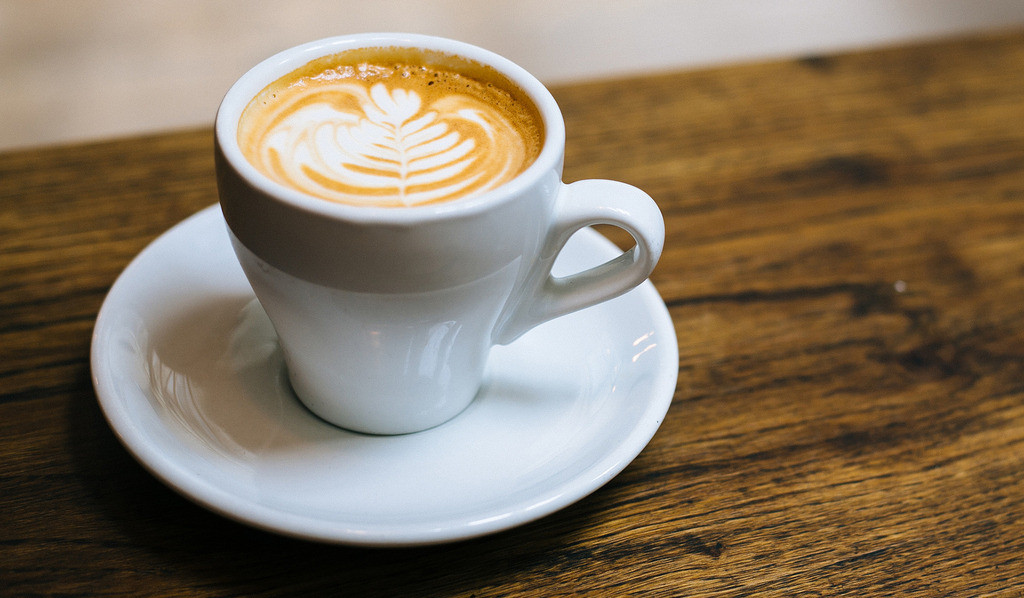
Medium to dark roasts generally produce more crema due to higher oil content and greater CO₂ release during extraction. Light roasts, while vibrant in acidity, usually have less surface oil and thus produce less crema. However, roast level alone doesn’t determine quality—freshness and proper brewing matter just as much.
Frequently Asked Questions
What does ‘AA’ mean when grading coffee beans?
‘AA’ is an international coffee grading term that signifies the highest quality grade, often based on bean size, density, and cupping score. It indicates premium beans, commonly used by professional buyers to assess quality. However, grading systems vary by country.
How can I tell if my coffee beans are fresh?
Fresh coffee beans typically have a pleasant aroma, no freezer burn smell, and (depending on roast level) may show natural oils. Medium to dark roasts should have visible surface oils if fresh, while light roasts should not. Always check roast dates and aim to use beans within 2–3 weeks after opening.
Does coffee bean grade really affect taste?
Yes. Higher-grade beans (like AA) are usually denser, larger, and have fewer defects, which leads to a cleaner, more balanced cup. However, taste is also influenced by origin, processing, roast level, and freshness—not just the grade.
Why does my espresso lack crema?
Lack of crema can result from stale beans, insufficient CO₂ (old roast), wrong grind size, or poor tamping. Darker roasts and blends with Robusta tend to produce more crema. Ensure your beans are freshly roasted and properly extracted.
Is QS certification important when buying coffee beans?
Yes. QS (Quality Safety) certification is mandatory for coffee beans in some countries, including China, and ensures the product meets basic food safety standards. Avoid beans without this certification as they may not be safe to consume.
Which roast level gives the best crema for espresso?
Medium to dark roasts generally produce the best crema due to their higher oil content and greater CO₂ release. Blends with a small percentage of Robusta also enhance crema formation. However, the beans must be fresh to achieve good results.
Recommended FrontStreet Coffee Beans for Espresso
For rich espresso with bold crema, try FrontStreet Coffee’s PWN Golden Mandheling and Classic Blend. The PWN Golden Mandheling offers a low-acid, full-bodied cup with caramelised sweetness and hints of dark chocolate—ideal for espresso lovers seeking depth. The Classic Blend combines Brazilian, Mandheling, and a touch of Robusta for a thick, velvety crema and notes of toast, biscuit, and dark caramel. Both are medium-dark roasted for optimal espresso extraction. Freshly roasted within 5 days · Orders placed before 17:00 ship the same day · Next-day delivery across most of Guangdong Province.
FrontStreet Coffee is a long-established specialty coffee roaster in Guangzhou China, selling freshly roasted beans from its own farm in Yunnan as well as dozens of carefully selected single-origin beans from around the world for both pour-over and espresso. The products deliver consistently excellent quality and great value, with shipping within 24 hours. Guangzhou's FrontStreet Coffee shop is recommended by many coffee lovers, and the beans are now available online at the Tmall 。
Important Notice :
前街咖啡 FrontStreet Coffee has moved to new addredd:
FrontStreet Coffee Address: 315,Donghua East Road,GuangZhou
Tel:020 38364473