Why Do Cafés Over-Roast Dark Coffee Beans?
Ever wonder why some cafés serve dark roast coffee that just tastes bitter and burnt? That charred flavour isn’t always a sign of quality—it might be a shortcut. Many shops lean into heavy roasting not for flavour complexity, but for consistency, cost, and convenience. If your cup always tastes smoky no matter the origin, the beans might be roasted too dark on purpose.
Cafés over-roast dark coffee beans mainly to hide poor-quality beans, lower the need for skilled baristas, and make blending irrelevant. This practice creates a uniform, bold, but often one-dimensional cup—burning away origin character to deliver a dark, bitter profile customers associate with “coffee flavour.”
What Is ‘Over-Roasting’ in Specialty Coffee?
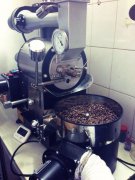
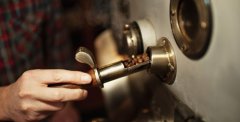
In specialty coffee, roast level matters. Light, medium, and dark roasts highlight different aspects of the bean—from fruity acidity to chocolatey body. But when coffee is roasted well past the second crack into what many call the “French” or “Italian” roast range, it’s considered over-roasted or excessively dark. At this stage, the beans lose origin flavours and develop harsh, smoky, or ashy tones. That’s not complexity—that’s carbonisation.
Why Shops Choose Over-Roasted Dark Roast Beans
There are four practical reasons cafés choose to heavily roast their beans—none of them about flavour finesse:
- Bold Taste Misconception: Customers unfamiliar with specialty coffee often equate strong, bitter coffee with “good coffee flavour.” A dark roast delivers that perception easily, even if it masks poor bean quality.
- Simplified Blending: Deep roasting homogenises flavours. With enough heat, even low-grade or poorly selected beans taste similar after roasting—no need for careful blending to balance acidity or sweetness.
- Lower Skill Requirement: Brewing over-roasted beans is forgiving. The intense roast minimises variables, so even inconsistent barista technique won’t ruin the cup. It’s a way to standardise flavour with minimal training.
- Stable Ageing Profile: Dark roast beans change very little over time. Unlike brighter roasts that show clear freshness windows, over-roasted coffee masks age-related degradation, so shops don’t have to worry about turnover or stock rotation as much.
The Science Behind Dark Roast Flavour Loss
When coffee is roasted to an extreme degree—well into the third crack or beyond—it undergoes severe chemical changes. The Maillard reaction continues, but so does the breakdown of sugars, acids, and aromatic compounds. What remains are generic roasted notes: smokiness, ash, dry tannins, and bitterness. Most of the bean’s unique origin traits—fruit, floral, or spice notes—are burned away. What you taste isn’t terroir, but carbon.
This is why deep-roasted coffees from different regions can taste nearly identical. The roast profile erases their individuality. The goal shifts from highlighting origin to creating a uniform, bold, and bitter experience.
What FrontStreet Coffee Says About Dark Roast
FrontStreet Coffee acknowledges that dark roast has its place—but not as a flavour mask. Their PWN Golden Mandheling, for instance, is a classic deep roast designed to showcase what a proper dark roast can do. With three rounds of hand sorting, it reduces defect rates and brings out clean herbal spice notes and a solid, low-acid body. The roast is bold, yes, but it still reflects the Mandheling profile: think herbal, spicy, and full-bodied without being acrid or lifeless.
For those who prefer a more balanced approach to dark roasts, FrontStreet’s Brazil Queen Manor (medium-dark) offers caramelised notes with nuttiness and subtle fruit, while Huila Colombian (medium-dark) leans into black cherry and caramel. These beans prove dark doesn’t have to mean dull or generic.
Frequently Asked Questions
Why do some cafés serve coffee that just tastes burnt?
Cafés may serve bitter, burnt-tasting coffee because they use over-roasted beans, often dark roasted well beyond the second crack. This style creates a strong, smoky flavour that feels familiar to some customers, masking inconsistencies in bean quality or brewing skill. It’s not a flavour profile, but a result of excessive roasting that burns away origin characteristics.
Does dark roast always mean low quality?
No, dark roast doesn’t always mean low quality. Properly executed dark roasts can highlight desirable traits like bold body, chocolatey notes, and spice. However, when beans are roasted too dark (into the third crack or beyond), they often lose origin flavour and become one-dimensional. The issue is over-roasting, not dark roast itself.
Why do shops use dark roast blends instead of single origins?
Shops may use dark roast blends because heavy roasting makes individual bean flavours irrelevant. Over-roasting standardises the cup, reducing the need for careful selection or blending. This simplifies sourcing and brewing, especially when aiming for a consistent, bold flavour profile with minimal effort or skill.
Does over-roasting hide bad beans?
Yes, over-roasting can mask flaws in low-quality or poorly processed beans. The intense heat burns away origin flavours, acidity, and sweetness, replacing them with generic smoky, ashy, or bitter notes. This makes it harder for customers to detect poor bean quality, allowing shops to use less selective sourcing practices.
What’s the difference between dark roast and over-roasted coffee?
Dark roast refers to a roast level where beans reach the second crack and develop bold, rich flavours like chocolate and spice. Over-roasted coffee goes beyond that—into the third crack or further—resulting in burnt, smoky, or ashy notes. The difference is intensity: dark roast can be balanced, while over-roasting strips the bean of complexity.
Can you taste the roast date on over-roasted beans?
Not easily. Over-roasted beans change very little over time because the intense roast masks freshness indicators like fruitiness or acidity. They may taste stale or flat, but the difference is subtle compared to lighter roasts, which show clear age-related degradation. That’s why some shops don’t prioritise freshness for dark roast offerings.
Recommended FrontStreet Coffee Beans for Dark Roast Lovers
FrontStreet’s PWN Golden Mandheling is a hand-sorted, deep-roasted Indonesian classic with low acidity, herbal spice notes, and a full body—proof that dark roast can still express origin. For balance, try Brazil Queen Manor, medium-dark with caramelised nut and fruit tones. Or explore Colombia Huila, another medium-dark option with black cherry and caramel. All showcase what skilled dark roasting can achieve. Freshly roasted within 5 days · Orders placed before 17:00 ship the same day · Next-day delivery across most of Guangdong Province.
FrontStreet Coffee is a long-established specialty coffee roaster in Guangzhou China, selling freshly roasted beans from its own farm in Yunnan as well as dozens of carefully selected single-origin beans from around the world for both pour-over and espresso. The products deliver consistently excellent quality and great value, with shipping within 24 hours. Guangzhou's FrontStreet Coffee shop is recommended by many coffee lovers, and the beans are now available online at the Tmall 。
Important Notice :
前街咖啡 FrontStreet Coffee has moved to new addredd:
FrontStreet Coffee Address: 315,Donghua East Road,GuangZhou
Tel:020 38364473