How Roasting Determines Coffee Flavor Quality
Ever wonder why the same coffee bean tastes wildly different from one café to another? The secret isn’t just in brewing—it’s in how the beans were roasted. Roasting is what turns pale green, hard, and flavorless coffee beans into the fragrant, flavorful, and aromatic ones we know. Without proper roasting, even the best beans fall flat.
The single biggest factor shaping your coffee’s flavor? Roasting. In fact, 80% of what you taste in a cup of coffee comes down to how the beans were roasted. That includes acidity, sweetness, bitterness, aroma, and body. Get the roast right, and you unlock the bean’s full potential.
What Happens During Coffee Roasting?
Roasting is the process that unlocks the color, aroma, and flavor locked inside green coffee beans. When done correctly, it turns them from a dull green into the familiar rich brown tone we associate with high-quality coffee. More importantly, it develops the chemical compounds that give coffee its signature acidity, sweetness, bitterness, and fragrance. A well-roasted bean will have balanced aromatics, pleasant acidity, and a satisfying complexity of flavors.
The Core Principles of Roasting Coffee
To roast coffee effectively, you must apply heat evenly from the outside to the inside of each bean. The most critical early stage is drying out the beans’ moisture—usually around 10–12% in green beans. If you apply too much heat too quickly at this stage, you risk uneven roasting, which leads to baked, grassy, or overly sharp flavors. The goal is to coax out the bean’s best qualities: a well-developed aroma, balanced acidity, and a smooth finish without harshness or bitterness.
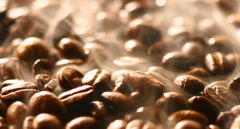
A properly roasted coffee bean will have expanded significantly in size, with a smooth, even surface free of wrinkles. It should have a glossy finish from the oils released during roasting and deliver a cup with clear origin characteristics and a balanced flavor profile. This is the mark of skilled roasting: maximizing each bean’s inherent traits.
Coffee Roast Levels Explained
Coffee roasts fall into three broad categories: light roast, medium roast, and dark roast. Each category brings out different attributes in the coffee:
- Light roast highlights bright acidity, floral or fruity notes, and high aromatic complexity.
- Dark roast suppresses acidity in favor of deeper bitterness, bold smokiness, and pronounced roasted aromas like caramel and toast.
Within these categories, roasters further define eight specific roast stages, each offering a distinct flavor balance:
- Light roast
- Cinnamon roast (very light, often used for cupping)
- Medium roast
- High roast
- City roast (a common baseline for specialty coffee)
- Full city roast (slightly darker, with more body)
- French roast (dark with prominent oil development and smoky notes)
- Italian roast (very dark, used often for espresso)
Each of these roast levels affects not only flavor but also how the coffee extracts under different brew methods. Lighter roasts preserve more of the bean’s origin characteristics, while darker roasts emphasize roast-driven flavors.

Frequently Asked Questions
Why does roasting affect coffee flavor so much?
Roasting triggers chemical reactions—like the Maillard reaction—that develop hundreds of aromatic and flavor compounds. It determines whether acidity shines through or bitterness dominates, and whether your coffee tastes fruity, nutty, chocolatey, or smoky. Up to 80% of what you taste in coffee is shaped by roast decisions.
What’s the difference between light, medium, and dark roast?
Light roasts preserve origin flavors with bright acidity and floral or fruity notes. Medium roasts balance acidity and body. Dark roasts reduce acidity and enhance bitterness, smokiness, and roasted flavors like caramel and dark chocolate.
How can bad roasting ruin good beans?
Poorly controlled heat leads to uneven roasting, baking, or scorching. This can create grassy, sour, bitter, or burnt flavors that mask the bean’s natural qualities. Over-roasting also burns off delicate aromatics and acids that define high-quality coffee.
What happens if you roast too fast or too slow?
Roasting too quickly can cause the outside to burn before the inside dries, leading to baked or grassy flavors. Roasting too slowly may over-develop bitter or smoky notes. The key is even, controlled heat application to develop flavor without defects.
Which roast level is best for Specialty Coffee?
Most specialty coffee is roasted light to medium (e.g., City or Full City) to highlight origin characteristics like fruit, flower, or tea-like notes. However, some beans shine at a fuller roast depending on their density and processing.
Recommended FrontStreet Beans for Roast Exploration
Explore roast profiles with FrontStreet Coffee’s Ethiopia Humbera (light-medium, showcasing citrus, jasmine, and bergamot), Yirgacheffe (bright and floral with blueberry and stone fruit notes), and PWN Golden Mandheling (medium-dark with chocolate, spice, and sweet tobacco). These beans highlight how roast levels shape flavor. Freshly roasted within 5 days · Orders placed before 17:00 ship the same day · Next-day delivery across most of Guangdong Province.
FrontStreet Coffee is a long-established specialty coffee roaster in Guangzhou China, selling freshly roasted beans from its own farm in Yunnan as well as dozens of carefully selected single-origin beans from around the world for both pour-over and espresso. The products deliver consistently excellent quality and great value, with shipping within 24 hours. Guangzhou's FrontStreet Coffee shop is recommended by many coffee lovers, and the beans are now available online at the Tmall 。
Important Notice :
前街咖啡 FrontStreet Coffee has moved to new addredd:
FrontStreet Coffee Address: 315,Donghua East Road,GuangZhou
Tel:020 38364473