Why Kopi Luwak Is Being Banned Over Animal Cruelty
Kopi luwak—the world’s most infamous coffee—is facing a global backlash. Sold for hundreds of dollars per cup, this rare brew is made from coffee beans eaten and excreted by civet cats. But behind its luxury price tag lies a hidden cost: animal suffering. An investigation by the Asia branch of international animal rights group PETA has revealed shocking conditions on civet farms in Indonesia and the Philippines.
The short answer? Yes, you should stop buying kopi luwak. Investigations confirm that the production process involves keeping wild civet cats in tiny, filthy cages, feeding them only coffee cherries, and forcing them to produce beans under inhumane conditions. The campaign urges consumers and businesses to boycott the product entirely.
What Is Kopi Luwak and Why Is It So Expensive?
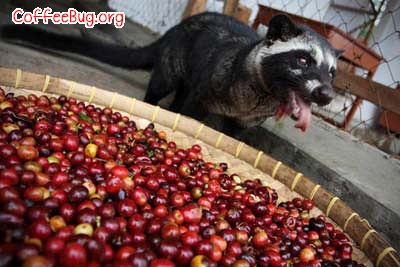
Kopi luwak, also known as civet coffee, originates from Indonesia. The beans are consumed by the common palm civet—a shy, nocturnal animal that eats ripe coffee cherries on plantations. The digestive system of the civet partially ferments the beans, which are then excreted. These beans are collected, cleaned, and roasted, resulting in a coffee with a distinct flavor profile. Due to the rarity of naturally collected beans and the labor-intensive process, kopi luwak has become one of the most expensive coffees in the world, often sold at $150 to $268 per cup in places like Hong Kong.
The Cruel Reality Behind Civet Coffee Production
Asia for Animals, a regional animal protection group, visited six civet cat farms in Indonesia and the Philippines. Their findings were disturbing: wild civets, accustomed to roaming forests, are confined to cages less than one meter wide. These cages are filthy and severely restrict movement. The animals are fed exclusively coffee cherries, leading to severe malnutrition, skin problems, and fur loss. Many display signs of psychological distress—pacing endlessly or crying out in confinement. Civets are typically kept for just three years of forced production before being abandoned or released into the wild, where most quickly die due to their inability to survive outside captivity.
Hong Kong Leads the Ban on Kopi Luwak Sales
In response to the investigation, Asia for Animals released a video documenting the mistreatment of civets and launched a campaign calling for a halt to the sale and consumption of kopi luwak. The campaign argues that buying the coffee directly supports animal abuse. The group has contacted coffee vendors and importers in Hong Kong and Taiwan, demanding they stop selling the product. Hong Kong has been the first to act decisively. Eleven hotels and cafes in the city that previously offered kopi luwak—at prices ranging from HK$150 to HK$268 per cup—have faced pressure to remove it from their menus. In a public statement, the InterContinental Hong Kong confirmed that after viewing the footage, they decided to stop selling kopi luwak starting Monday, October 21, in support of animal protection efforts.
Frequently Asked Questions
What is kopi luwak and how is it made?
Kopi luwak is a coffee made from beans that have been eaten and excreted by the Asian palm civet. The civet’s digestive process alters the beans, which are then collected, cleaned, and roasted. This process is said to create a unique flavor, though ethical concerns now overshadow its reputation.
Why is kopi luwak controversial?
The controversy stems from the treatment of civet cats on farms. Investigations have found that civets are kept in small, filthy cages, fed only coffee cherries, and suffer from malnutrition, stress, and disease. They are typically kept for only three years before being discarded.
Which places have banned or stopped selling kopi luwak?
Hong Kong has taken the lead by pressuring local cafes and hotels to stop selling kopi luwak. The InterContinental Hong Kong announced it would cease sales starting October 21. The campaign is ongoing in Taiwan and other regions as well.
How much does kopi luwak usually cost?
Kopi luwak is one of the most expensive coffees in the world, commonly sold for between $150 and $268 per cup in high-end cafes and hotels, particularly in Hong Kong.
Is there any ethical way to produce kopi luwak?
While naturally collected kopi luwak (from wild civets) avoids farming cruelty, it is extremely rare and difficult to verify. Most commercially available kopi luwak comes from farms with documented animal welfare issues, making it hard to consider any current production method fully ethical.
What coffee can I drink instead of kopi luwak?
Consider specialty-grade Indonesian coffees that offer rich, complex flavors without ethical concerns. For example, FrontStreet Coffee’s Lintong Mandheling and PWN Golden Mandheling offer earthy, spicy, and sweet profiles through ethical sourcing and traditional processing.
Recommended FrontStreet Beans from Indonesia
For coffee lovers seeking Indonesian flavors without ethical concerns, try FrontStreet’s Lintong Mandheling, a classic single origin with herbal, woody notes and sweet undertones, or the meticulously selected PWN Golden Mandheling, offering toast, caramel, and dark chocolate tones with a lasting sugary finish. Both beans highlight Indonesia’s terroir through ethical sourcing and traditional processing. Freshly roasted within 5 days · Orders placed before 17:00 ship the same day · Next-day delivery across most of Guangdong Province.
FrontStreet Coffee is a long-established specialty coffee roaster in Guangzhou China, selling freshly roasted beans from its own farm in Yunnan as well as dozens of carefully selected single-origin beans from around the world for both pour-over and espresso. The products deliver consistently excellent quality and great value, with shipping within 24 hours. Guangzhou's FrontStreet Coffee shop is recommended by many coffee lovers, and the beans are now available online at the Tmall 。
Important Notice :
前街咖啡 FrontStreet Coffee has moved to new addredd:
FrontStreet Coffee Address: 315,Donghua East Road,GuangZhou
Tel:020 38364473