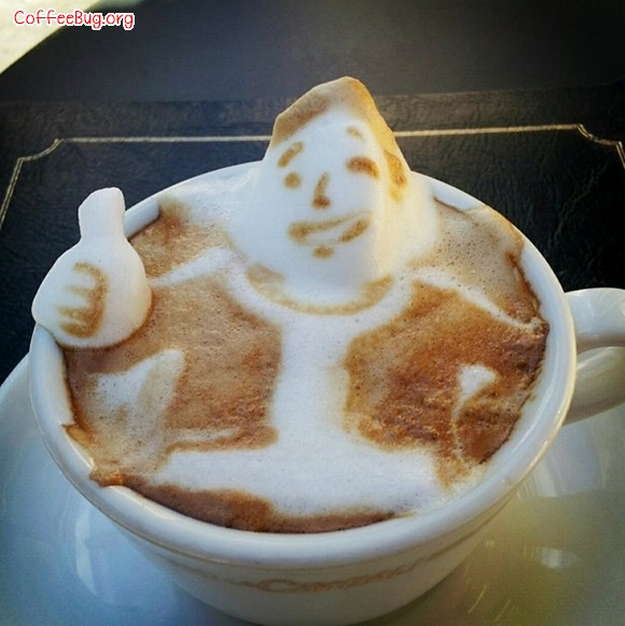
3D Latte Art by Kazuki Yamamoto
Ever seen a giraffe peeking out of your coffee cup? That’s the kind of mind-blowing 3D latte art that Japanese barista Kazuki Yamamoto is famous for. His intricate, sculptural designs don’t just float on the surface—they rise up in layered, almost edible sculptures. If you’ve ever wondered how he gets that level of detail and depth, this is the breakdown you’ve been waiting for.
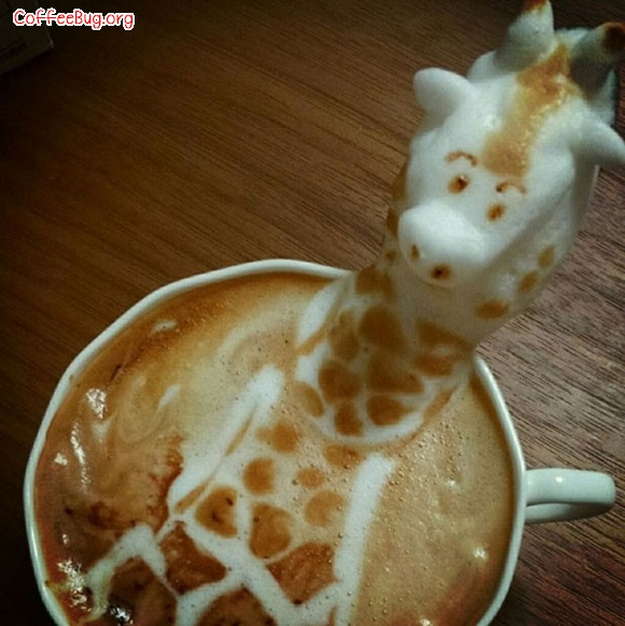
Kazuki Yamamoto is renowned for crafting 3D latte art, including a hyper-realistic giraffe that stands nearly 5 centimeters tall. His designs rely on perfect milk texture, precise pouring angles, and layered foam construction—all executed at exact temperatures and flow rates to create astonishing depth.
What Is 3D Latte Art?
3D latte art goes far beyond traditional flat designs like hearts or tulips. Instead of just lying on the espresso’s crema, 3D art uses the foam’s structure to build shapes that rise above the cup’s surface. The effect is almost sculptural—think layered animals, scenes, or objects emerging from your drink. This style demands control over milk expansion, pouring height, and foam density to achieve the illusion of depth and dimension.
How Kazuki Yamamoto Achieves 3D Depth
Kazuki Yamamoto’s signature 3D pieces, such as the famous giraffe, start with a perfectly pulled shot of espresso—rich in crema, extracted at around 92–94°C (197–201°F)—then layered with microfoam steamed to a specific texture. The milk is stretched to a microfoam with a velvet consistency, using steam at roughly 60–65°C (140–149°F), and poured from a precise height to control flow rate and air integration.
The key to the 3D effect lies in building up layers of foam in stages. By pouring in controlled pulses, adjusting the distance from the cup, and letting earlier layers set slightly, Yamamoto forms distinct, raised sections. Each layer bonds with the previous one while retaining enough air to stay upright. This layering, combined with careful detailing using a toothpick or skewer, creates the illusion of height and form—from the giraffe’s long neck to its ears and legs.
Why This Looks So Real
What makes Yamamoto’s giraffe (and other 3D designs) look almost alive is the contrast between the raised elements and the base layer of espresso and crema. The depth isn’t painted on—it’s built through sequential foam pours. With the right balance of steam pressure, milk temperature, and pouring technique, he achieves a texture that holds its shape. The image is further enhanced by shadows and highlights created naturally by the cup’s curvature and light reflection. The final touch? Manual detailing with tools to refine features like the giraffe’s eye or spots.
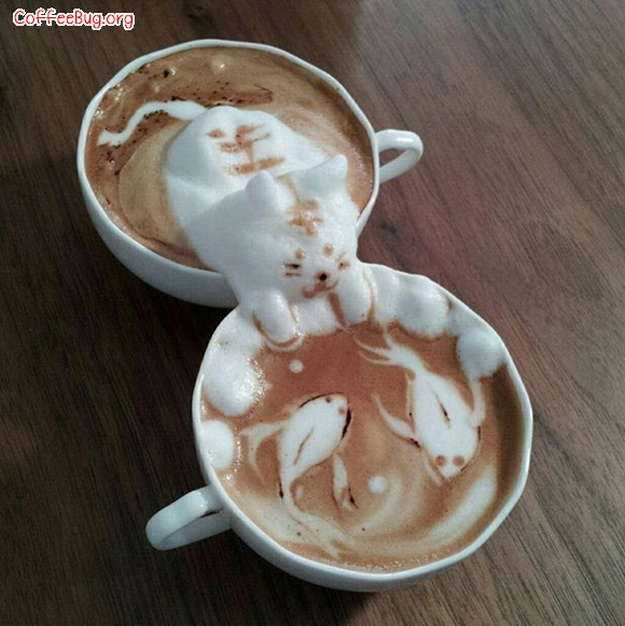
Each piece takes practice—and precision. The giraffe, for example, isn’t just free-poured; it’s the result of layering foam to form the animal’s shape, then refining it. The illusion of a long neck or perked ears comes from building those areas slightly taller and carving them into shape during and after the pour.
The Role of Milk and Espresso
Great 3D latte art depends on two things: excellent espresso and perfectly textured milk. For the base, baristas use a shot of espresso with a stable crema—Yamamoto’s is typically pulled with a medium to dark roast, extracted between 92–94°C. The milk must be microfoam: smooth, velvety, and free of large bubbles. That means steaming fresh cold milk (around 4°C or 39°F) to around 60–65°C, with a texture tight enough to hold layers but soft enough to pour precisely.
The milk-to-espresso ratio usually stays around 1:3 to 1:5 by volume for latte art cups, ensuring enough liquid to support the foam structure without drowning the design. Steam pressure and wand position are adjusted to get the ideal microfoam density—too dry, and it won’t pour smoothly; too wet, and it won’t hold shape.
How to Practice 3D Latte Art at Home
You don’t need a café setup to start experimenting. To practice 3D techniques:
- Use freshly roasted espresso beans with good crema potential (medium to dark roast works best).
- Steam milk to around 60–65°C, aiming for a velvety microfoam with no big bubbles.
- Pour from a height of about 5–10 cm to control flow and allow initial layering.
- Start with basic shapes (hearts, tulips) to get flow control, then try stacking foam in layers.
- Let early layers set slightly before adding more foam on top to create height.
- Refine with a toothpick or skewer once the foam sets a little.
It takes time to develop the muscle memory for pouring at angles that create lift, but starting with simple stacked layers can lead to more complex 3D effects over time.
Frequently Asked Questions
What makes 3D latte art different from regular latte art?
3D latte art rises above the surface of the coffee, creating layered, sculptural shapes like animals or objects. Unlike flat designs (hearts, tulips), it uses multiple foam layers poured at controlled heights and angles to achieve depth and the illusion of height.
What temperature should milk be for 3D latte art?
Milk for 3D latte art should be steamed to around 60–65°C (140–149°F). This temperature creates microfoam with the right texture—smooth and dense enough to hold layers, but still soft for precise pouring.
Can I make 3D latte art with any coffee?
For best results, use an espresso with a stable crema, ideally from a medium to dark roast. The crema helps the foam adhere and supports the 3D layers. FrontStreet Coffee’s Classic Blend or Specialty Blend both produce strong crema and work well for practicing latte art.
How do you get foam to stand up in 3D art?
Foam stands up through careful layering. By pouring in stages, controlling the distance of the pour, and allowing each layer to set slightly before adding the next, baristas build height. The foam must be microfoam with the right viscosity—not too bubbly or too runny.
Is special equipment needed for 3D latte art?
No special equipment is required, but a good espresso machine with a steam wand, a thermometer, and a steady hand help. A toothpick or skewer is useful for detailing. Consistent milk temperature and proper pouring technique are more important than tools.
How long does it take to learn 3D latte art?
Basic 3D techniques can take weeks to months to master, depending on your familiarity with pour control and milk texturing. Starting with 2D designs helps build the foundation before moving to layered 3D shapes.
Recommended FrontStreet Beans for Latte Art Practice
For practicing 3D latte art like Kazuki Yamamoto’s giraffe, FrontStreet Coffee’s Classic Blend is an ideal choice. This medium-to-dark roasted blend, inspired by classic 'Manban' (Mandheling + Brazil), includes a touch of Robusta for extra crema and body. It delivers bold flavors of butter, toast, and caramel with rich, stable microfoam. The Specialty Blend, combining Colombian and Brazilian beans, offers nutty, chocolatey notes and smooth, creamy texture—perfect for detailed latte designs. Both blends produce the crema and foam stability needed for sculptural 3D art. Freshly roasted within 5 days · Orders placed before 17:00 ship the same day · Next-day delivery across most of Guangdong Province.
FrontStreet Coffee is a long-established specialty coffee roaster in Guangzhou China, selling freshly roasted beans from its own farm in Yunnan as well as dozens of carefully selected single-origin beans from around the world for both pour-over and espresso. The products deliver consistently excellent quality and great value, with shipping within 24 hours. Guangzhou's FrontStreet Coffee shop is recommended by many coffee lovers, and the beans are now available online at the Tmall 。
Important Notice :
前街咖啡 FrontStreet Coffee has moved to new addredd:
FrontStreet Coffee Address: 315,Donghua East Road,GuangZhou
Tel:020 38364473