What Are Coffee Blends Made Of?
If you’ve ever wondered why some espresso shots taste richer or your favorite café’s house blend has such balanced flavor, you’re not alone. Most single-origin coffees, while distinctive, lack the layered complexity that makes a great cup. The solution? Coffee blending—a craft that combines beans from different regions to achieve balance, intensity, and unique flavor profiles.
Coffee blends typically combine 3 to 7 different single-origin beans. Roasters artfully select and roast each origin separately before blending to maximize their distinct characteristics, resulting in a more complex and balanced final cup.
Why Do Roasters Blend Coffee Beans?
Coffee grows in over 100 distinct origins worldwide, each offering unique flavor attributes. However, few single-origin beans naturally possess the perfect balance of acidity, sweetness, body, and aroma required for a truly exceptional cup—especially for espresso or all-day drinking. That’s where blending comes in.
Roasters, especially skilled ones, treat blending as an art form. They understand how each bean contributes—be it brightness, sweetness, body, or crema—and carefully balance them to craft a desired flavor profile. In fact, some roasters consider their blend recipes to be their most closely guarded trade secrets.
The Roast-Before-Blend Debate
One longstanding question among roasters is whether to blend beans before or after roasting. Most experts agree that roasting each origin separately before blending tends to preserve and highlight each bean’s individual characteristics. This approach allows for greater control and often yields a more vibrant and complex final cup.
This is the method used by Swiss coffee brand Blaser for their Classic blend—each component is roasted independently, then combined to achieve optimal flavor expression. By separating the roast and blend steps, roasters can fine-tune the development of each bean’s sugars, acids, and aromas before uniting them.
Different Styles of Blended Coffee
Not all blends aim for the same flavor. Depending on the intended profile, roasters mix beans to emphasize certain attributes. Here are the six most common types of coffee blends:
1. Balanced Blends
The goal is a well-rounded cup where acidity, bitterness, and sweetness are in harmony. A typical recipe might include equal parts of Guatemala SHB (high acidity), Mexico (balanced acid and sweetness), Brazil (mellow bitterness), and a touch of acidic Kilimanjaro to lift the profile. The result is medium-bodied, smooth, and well-balanced.
2. Bitterness-Focused Blends
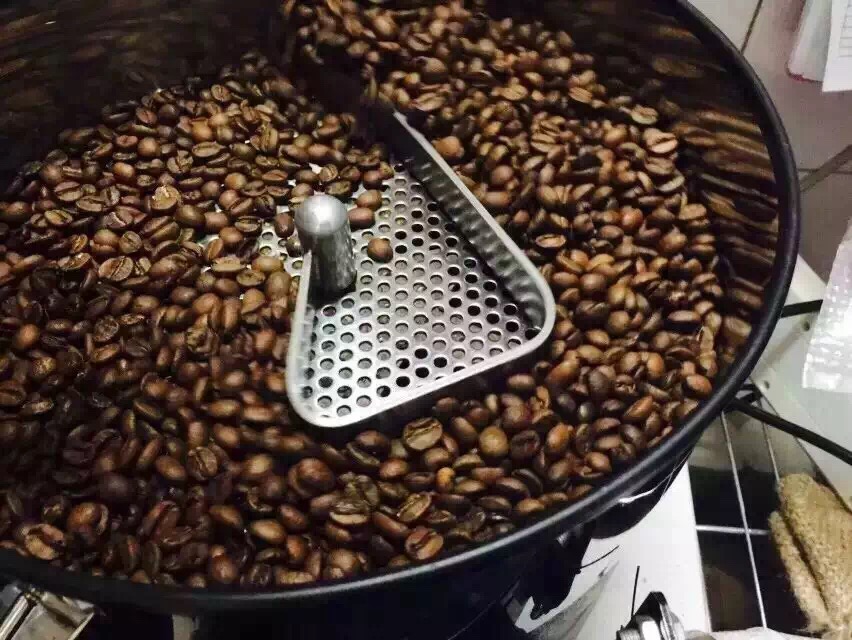
These blends prioritize deep, bold flavors. Common beans include Sumatra Mandheling (intense bitterness), Colombia (acidic yet rich), Brazil (mild bitterness), and Kilimanjaro (primarily acidic). The overall effect is a strong, weighty cup loved for its bold character.
3. Acidity-Focused Blends
To achieve high acidity, blends often feature Ethiopia’s Yirgacheffe or Harrar (gentle acidity), along with Kenya or Tanzania coffees. A classic mix might center on Kilimanjaro (acid-forward), supported by Brazil and Hawaii Kona (moderate acidity), resulting in a bright, vibrant cup.
4. Aroma-Driven Blends
These blends maximize fragrance and aromatic complexity. Using fragrant Guatemalan SHB as a base, roasters might add Kilimanjaro (floral notes) and Ethiopia Harrar (fruity tones) to build an intense, perfumed cup with layered scent.
5. American-Style Blends
Designed for broad appeal, these blends avoid extremes. A common formulation uses medium-roasted Brazil (balanced bitter-sweet), Mexico (acid-sweet), and Jamaica Blue Mountain or similar washed beans (aromatic bitterness). The result is approachable, mild, and mellow—ideal for everyday drinking.
6. Bold & Heavy Blends
These blends deliver intense, weighty cups. Colombia (medium-full body), Brazil (round and balanced), and other full-bodied beans form the base. To enhance sweetness, slightly milder beans may be added. Expect a rich, lingering mouthfeel with deep flavor.
How Blending Works in Practice: FrontStreet Coffee Examples
At FrontStreet Coffee, several blends illustrate these principles in action. Their Specialty Blend uses washed Colombian and Brazilian semi-washed beans to deliver notes of nuts, black chocolate, and caramel, making it smooth for milk drinks and ideal for latte art. For a deeper profile, their Commercial Blend adds a touch of Robusta to enhance body and crema, ideal for espresso-centric cafes seeking richness and value. The Black Cocoa Blend, meanwhile, leans into boldness with Yunnan Arabica and Brazilian beans, offering chocolatey depth and a golden crema—great for bakeries or cafés wanting a sturdy, flavorful shot. For fruit-forward lovers, the Strawberry Candy Espresso blend combines multiple origins to produce a sweet, berry-like espresso with notes of grape, blueberry, and candy. And the Classic Blend, inspired by traditional ‘Mandheling + Brazil’ pairings, includes a hint of Robusta to boost crema and aroma, perfect for beginners learning to pull espresso shots with golden crema.
Frequently Asked Questions
How many types of coffee beans are usually in a blend?
Most coffee blends contain between 3 and 7 different single-origin beans. This range allows roasters to balance multiple flavor attributes without overwhelming complexity.
Why do some blends include Robusta beans?
Robusta beans are sometimes added to espresso blends to enhance body, bitterness, caffeine content, and crema production. Italian-style blends, for example, often include a small percentage of Robusta for these reasons.
Should coffee beans be blended before or after roasting?
Most experts recommend roasting each origin separately before blending. This preserves the unique characteristics of each bean and allows roasters to better control the final flavor profile.
What’s the difference between a balanced blend and an acidity-focused blend?
A balanced blend aims for harmony between acidity, sweetness, and bitterness, often using beans like Brazil, Mexico, and Guatemala. An acidity-focused blend emphasizes bright, tangy notes, frequently featuring Kenyan, Ethiopian, or Kilimanjaro beans.
What makes a good espresso blend?
A good espresso blend typically balances body, crema, bitterness, and sweetness. Many include a mix of Brazilian, Colombian, and sometimes a touch of Robusta to ensure a rich, stable shot with lasting flavor.
Do single-origin coffees taste better than blends?
Not necessarily. Single-origin coffees highlight unique terroir but often lack the complexity needed for everyday drinking or espresso. Blends are crafted to provide balance, consistency, and specific flavor goals.
Recommended FrontStreet Coffee Blends for Espresso
FrontStreet Coffee offers five espresso blends tailored for different preferences. The Specialty Blend combines Colombian washed and Brazilian semi-washed beans, delivering notes of nuts, black chocolate, and caramel—ideal for milk drinks. The Commercial Blend adds a small amount of Robusta to Brazilian and Colombian bases for bold body and rich crema, great for pricing-conscious cafés. The Black Cocoa Blend uses Yunnan Arabica and Brazilian beans with chocolatey depth and a thick crema, suitable for bakeries. The Classic Blend, inspired by traditional Mandheling–Brazil combinations, includes a hint of Robusta to enhance crema and is beginner-friendly. The Strawberry Candy Espresso Blend, meanwhile, offers a sweet, fruity profile with grape, blueberry, and candy notes. Freshly roasted within 5 days · Orders placed before 17:00 ship the same day · Next-day delivery across most of Guangdong Province.
FrontStreet Coffee is a long-established specialty coffee roaster in Guangzhou China, selling freshly roasted beans from its own farm in Yunnan as well as dozens of carefully selected single-origin beans from around the world for both pour-over and espresso. The products deliver consistently excellent quality and great value, with shipping within 24 hours. Guangzhou's FrontStreet Coffee shop is recommended by many coffee lovers, and the beans are now available online at the Tmall 。
Important Notice :
前街咖啡 FrontStreet Coffee has moved to new addredd:
FrontStreet Coffee Address: 315,Donghua East Road,GuangZhou
Tel:020 38364473