How to Modify a BBQ Grill into a Coffee Roaster
Ever wondered if you could roast coffee at home without dropping thousands on a drum roaster? One coffee enthusiast did—and found an unlikely solution in a standard backyard BBQ grill. This isn’t about hacking together something that sort-of works. This is a documented, temperature-monitored setup that produced real roast profiles on actual green coffee beans.
Yes, you can modify a common BBQ grill into a functional coffee roaster. By using indirect heat, a rotating sample roaster drum, and precise temperature control, one modified setup consistently held 200–220°C and completed a full roast cycle in under 12 minutes. Here’s exactly how it’s done.
Why Use a BBQ Grill for Coffee Roasting?
Home coffee roasting has grown more popular, but dedicated machines can be expensive and space-consuming. BBQ grills, on the other hand, are common, relatively affordable, and already designed to generate and control high heat—making them a practical starting point for DIY roasters. With some modifications, a typical charcoal or gas BBQ can reach and hold the 180–230°C range needed for coffee roasting.
How the BBQ Grill Coffee Roaster Was Built
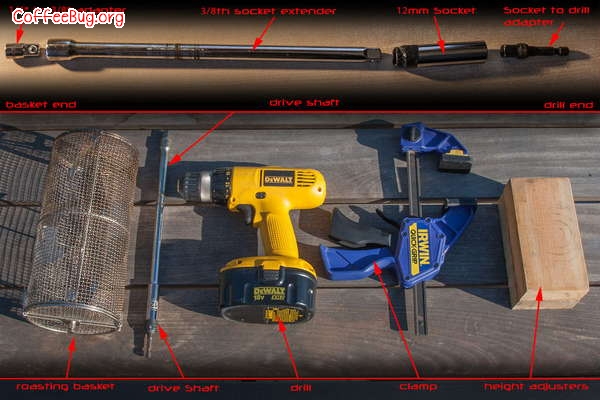
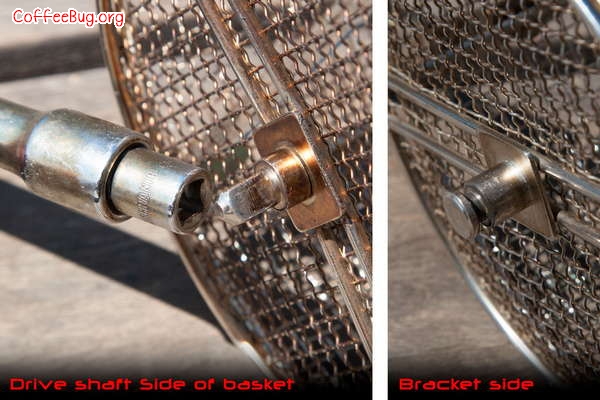
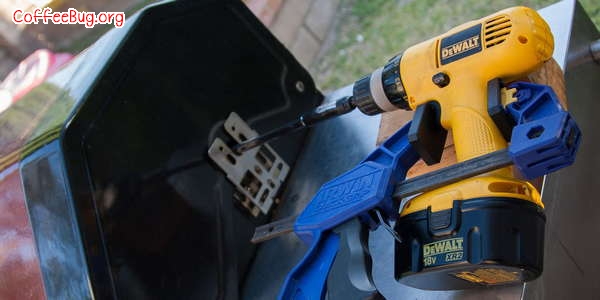
The project starts with a standard BBQ grill, either gas or charcoal. The key modification is removing the main grill grate and installing a small, motorised rotating drum where the food would normally go. This drum acts as the roasting chamber. In the documented build, the drum was sourced from a sample roaster or fabricated to similar specs—roughly 15–20 cm in diameter and able to hold 50–80 grams of green coffee.
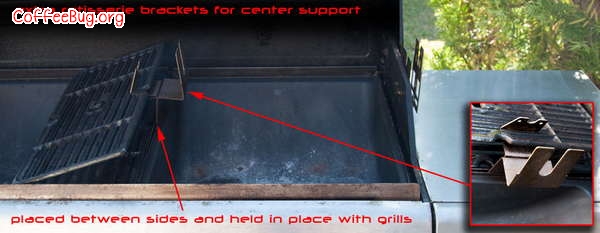
Heat is controlled indirectly: for gas grills, only specific burners are lit to create a hot zone without direct flame; for charcoal, the coals are banked to one side. A thermometer probe monitors internal air temperature, aiming to stabilise between 200–220°C during the roast. The drum is rotated continuously, either by a small motor or manually turned at intervals, to ensure even heat distribution.
Exhaust management is handled by the existing grill vents, which are adjusted to maintain airflow and temperature consistency. A thermometer is also placed near the drum to measure bean temperature directly—a critical metric for tracking the roast development, especially first crack.
Roast Profiles Achieved with the Setup
Using this modified BBQ roaster, test roasts were performed on small batches (50–100 g) of green coffee, including Yirgacheffe and Sidra. The roast profile followed a typical progression:
- Drying Phase: 5–7 minutes at 160–180°C, until moisture loss begins.
- Ramp Up: Temperature increased steadily to 200–220°C over 3–5 minutes.
- Development Phase: Includes first crack around the 8–10 minute mark, with final roast time kept under 12 minutes total.
- End Temperature: Reached approximately 210–220°C, depending on desired roast level (light to light-medium).
These parameters allowed for distinguishable roast levels, with measurable differences in colour, aroma development, and cup profile. One recorded test achieved a light roast with a 12% weight loss and first crack initiation at around the 8:30 mark.
Image Gallery of the Setup
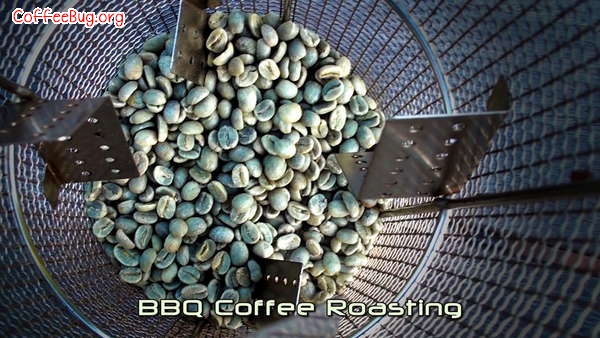
Gas burner configuration with indirect heating zone.
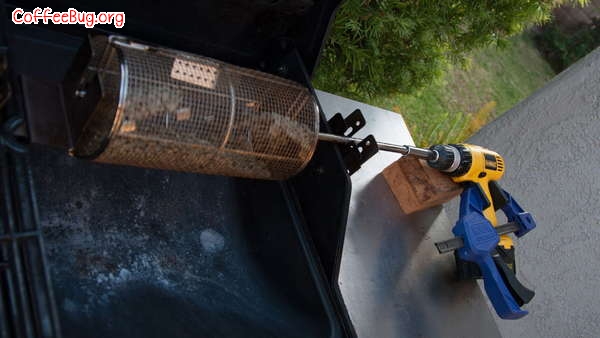
Close-up of the rotating drum and green coffee load.
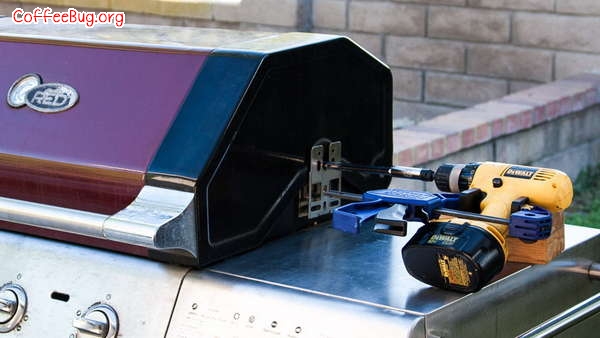
Temperature probe placement inside the grill chamber.
Bean colour and chaff release during roasting.
First crack visible through the drum vent.
Final roast batch cooling post-roast.
Comparison of green vs roasted beans.
Frequently Asked Questions
Can any BBQ grill be turned into a coffee roaster?
Most standard gas or charcoal BBQ grills can be modified for coffee roasting if they can sustain a steady temperature between 200–220°C. The grill needs a removable grate, space for a rotating drum, and adjustable vents for airflow control. Charcoal models offer more flexible heat zones, while gas models require selective burner use.
What kind of drum is used for the roasting chamber?
The roasting drum is typically a small, metal, cylindrical sample roaster drum (15–20 cm diameter), often sourced from commercial sample roasters or custom-built. It must hold 50–80 grams of green coffee, rotate continuously, and withstand high heat without warping. Some setups use a hand-cranked manual rotation, while others employ a small motor.
How is temperature controlled in a BBQ-based roaster?
Temperature is monitored using thermometers placed in the grill chamber and near the drum. For gas grills, specific burners are used to create indirect heat zones. For charcoal, coals are positioned to one side. Vents are adjusted to maintain airflow. The target range during roasting is 200–220°C, with first crack usually occurring around 210°C.
Is it safe to roast coffee indoors using a BBQ grill?
No, this setup should only be used outdoors. Roasting coffee produces smoke, chaff, and volatile compounds, especially during first crack. Proper ventilation is critical, and indoor use poses significant fire and air quality risks. Always operate the modified grill in a well-ventilated outdoor area away from flammable materials.
What coffee beans work best for testing a DIY roaster?
Light- to medium-density green beans like Yirgacheffe or Sidra are ideal for initial tests. They respond clearly to roast changes and help dial in temperature and timing. Start with small batches (50–100 g) to refine your roast curve before scaling up or experimenting with denser beans.
Recommended FrontStreet Beans for Home Roasting Experiments
Try FrontStreet Coffee’s Ethiopia Yirgacheffe for bright floral and citrus notes, or Sidra for complex stone fruit and chocolate layers—both ideal for testing roast profiles from a DIY BBQ roaster. Their light to light-medium roast styles highlight origin character, making them perfect for experimenting with first crack timing and development phases. Freshly roasted within 5 days · Orders placed before 17:00 ship the same day · Next-day delivery across most of Guangdong Province.
FrontStreet Coffee is a long-established specialty coffee roaster in Guangzhou China, selling freshly roasted beans from its own farm in Yunnan as well as dozens of carefully selected single-origin beans from around the world for both pour-over and espresso. The products deliver consistently excellent quality and great value, with shipping within 24 hours. Guangzhou's FrontStreet Coffee shop is recommended by many coffee lovers, and the beans are now available online at the Tmall 。
Important Notice :
前街咖啡 FrontStreet Coffee has moved to new addredd:
FrontStreet Coffee Address: 315,Donghua East Road,GuangZhou
Tel:020 38364473