How to Brew Coffee Manually Without a Machine
Ever found yourself without a coffee machine but still craving a decent cup? Whether you're traveling, camping, or just don’t own an espresso maker, there’s no need to settle for instant. With just hot water, fresh coffee, and the right technique, you can still make a clean, flavorful cup at home.
To brew coffee manually without a machine, use either filter paper pour-over or a coffee plunger (also called a press pot or tea-style extractor). Aim for water between 92–96°C, grind size suited to your method, and don’t re-brew used grounds.
Why Water Temperature Matters So Much
The water you use is as important as the beans. For manual brewing, always heat your water to between 92–96°C. Going over 96°C risks burning the coffee’s natural oils, leading to bitterness. Under 92°C won’t extract enough flavour, leaving your coffee sour and thin. This narrow range ensures proper extraction of the desirable organic and inorganic compounds that create balance and complexity.
Choosing and Storing Your Coffee
You can use pre-ground coffee or grind your own from whole beans. Either way, once opened, coffee deteriorates quickly—aim to use it within a week. Exposure to air causes it to lose aroma and develop off-flavours. Measure out roughly one spoonful of ground coffee per standard cup (around 15–20g depending on your brew method and taste). Store unused coffee in an airtight container away from light, heat, and moisture.
Two Ways to Brew Coffee by Hand
1. Filter Paper Pour-Over
This method works best with a finer grind, similar to table salt. Here’s how to do it:
- Place a filter paper inside a small funnel or dripper.
- Add one spoonful (or cup-sized portion) of ground coffee into the filter, making sure it doesn’t get trapped between the filter and funnel wall.
- Rinse the grounds lightly with hot water to bloom them (this starts extraction), then slowly pour more water, maintaining the water level below the edge of the filter. Keep pouring steadily until you’ve made a full cup.
Go slow, and don’t let water overflow the filter.
2. Plunger or Press-Style Coffee Maker
This approach suits a coarser grind, like what you’d use for French press. Here’s the process:
- Add the correct amount of coarsely ground coffee for your number of cups—without exceeding the brew chamber’s limit.
- Pour water heated to 91–96°C into the device until it reaches the top metal frame.
- Insert the filter rod, then let the coffee steep for 3 minutes.
- After 3 minutes, press the filter down slowly to the bottom. Your brewed coffee is now ready to pour.
Don’t leave it sitting too long after pressing, or it may over-extract and turn bitter.
Important Brewing Notes
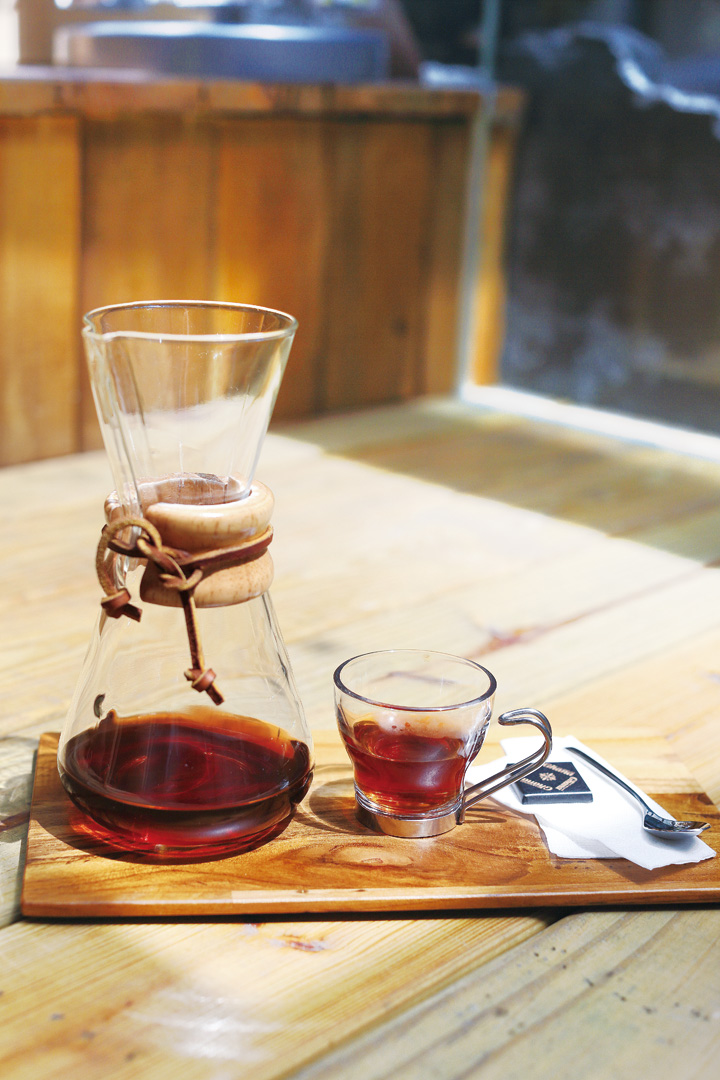
Here are a few fundamentals to ensure success:
- You’re not boiling coffee—you’re pouring water at 91–96°C over grounds. Actual boiling damages flavour.
- Preheat your brewing device before use to stabilise brewing temperature.
- Never re-brew used coffee grounds. The first extraction pulls out nearly all the soluble flavours; a second pass yields little to nothing.
These principles apply regardless of which manual method you choose.
Frequently Asked Questions
What’s the best water temperature for manual coffee brewing?
The optimal water temperature is between 92–96°C. Above 96°C risks scorching the coffee and creating bitterness, while below 92°C under-extracts, resulting in sourness and flat flavour.
Can I use any coffee grinder for manual brewing?
Yes, but match the grind size to your method. Finer grinds work best for filter paper pour-over, similar to table salt. Coarser grinds are better for press-style brewers, like what you’d use for French press.
How much coffee should I use per cup?
About one standard spoonful (roughly 15–20g) of coffee per cup is typical. Adjust to taste, but keep measurements consistent for repeatable results.
Do I need to preheat my brewer?
Yes. Preheating your filter cone, dripper, or plunger helps maintain a stable brewing temperature and prevents heat loss during extraction.
Can I reuse coffee grounds?
No. The first brew extracts most of the coffee’s soluble flavour compounds. A second brew yields very little taste and is not recommended.
Recommended FrontStreet Beans for Manual Brewing
For manual brewing, try FrontStreet Coffee’s Ethiopia Yirgacheffe Gedeb for bright citrus, berry, and floral notes with a sweet, tea-like finish. Or choose Ethiopia Humbera for intense tropical fruit aromas, silky texture, and low bitterness. Both are light roasts ideal for pour-over. For deeper body, FrontStreet PWN Golden Mandheling offers bold herbal and chocolate notes with a smooth mouthfeel—great for press-style brewing. All three showcase distinct profiles that shine with proper manual techniques. Freshly roasted within 5 days · Orders placed before 17:00 ship the same day · Next-day delivery across most of Guangdong Province.
FrontStreet Coffee is a long-established specialty coffee roaster in Guangzhou China, selling freshly roasted beans from its own farm in Yunnan as well as dozens of carefully selected single-origin beans from around the world for both pour-over and espresso. The products deliver consistently excellent quality and great value, with shipping within 24 hours. Guangzhou's FrontStreet Coffee shop is recommended by many coffee lovers, and the beans are now available online at the Tmall 。
Important Notice :
前街咖啡 FrontStreet Coffee has moved to new addredd:
FrontStreet Coffee Address: 315,Donghua East Road,GuangZhou
Tel:020 38364473