Everything You Should Know About Coffee Cups
Ever wonder why your espresso tastes sharper in some cups than others, or why milk drinks seem creamier in certain mugs? The truth is, your choice of coffee cup—its material, shape, color, and even temperature—affects everything from aroma release to flavor perception. Whether you're sipping a ristretto or stirring sugar into a latte, understanding your cup matters more than you think.
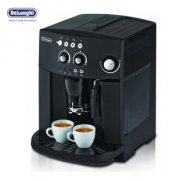
Coffee cups come in three standard sizes: under 100ml for espresso, around 200ml for most brewed or milk-based drinks, and over 300ml for large milk coffees like lattes or mochas. Beyond size, material, color, and proper handling all play key roles in your coffee experience.
What Your Coffee Cup Is Made Of
Most coffee cups are made from negative ion powder, tourmaline, high-quality clay, and other base materials. These materials release high concentrations of negative ions that interact with water, breaking down large water clusters into smaller ones. This enhances the water’s solubility and penetration, subtly influencing how coffee extracts and presents its flavors. That’s why coffee cups aren’t just vessels—they’re functional tools.
Coffee Cup Sizes and Their Purpose
The size of a coffee cup is more than a matter of volume—it’s tied to brew strength and drinking style. Here’s how it breaks down:
- Under 100ml: Designed for strong, hot espresso or single-origin shots. A typical serving is around 50ml—just a half cup you can drink in one sip, leaving a bold, lingering finish.
- Around 200ml: The most common size, ideal for most coffee drinks. It offers enough space for milk or sugar without overwhelming the coffee’s character.
- Over 300ml: Used for milk-heavy drinks like lattes or mochas. The larger size, often a mug, allows for better mixing of milk and sugar, enhancing aroma and enjoyment.

The Role of Cup Color in Coffee Tasting
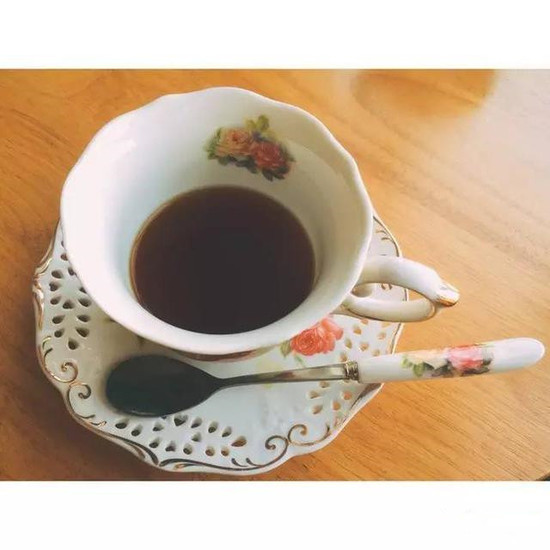
Coffee is typically a clear amber liquid, sometimes with slight sediment. To best appreciate its color and clarity, white cups—especially those with white interiors—are ideal. They provide a neutral background, allowing you to observe the coffee’s hue and crema. Avoid cups with colored interiors, as they can distort your perception of the coffee’s true appearance.
What Makes Bone China Special
Bone china is a favorite among coffee enthusiasts for its elegant feel and functional benefits. It’s made from fine porcelain clay mixed with 30% animal bone ash (a 3:1 ratio of clay to bone), fired at high temperatures. This gives it a lightweight yet durable structure, a soft translucency, and a warm, yellowish glow under light. Bone china also boasts excellent heat retention, keeping your coffee warmer for longer, and produces a crisp, clear ring when tapped. However, it’s delicate: wash it with lukewarm water, avoid harsh detergents, and clean it gently by hand.
How to Warm Your Coffee Cup
Serving coffee in a warm cup is essential for preserving aroma and temperature. Here are simple ways to do it:

- Rinse the cup with hot water repeatedly until it retains warmth.
- Use a dishwasher with a heated drying cycle to preheat multiple cups.
- For a group, boil water and soak several cups for a few minutes.
A warm cup enhances the sensory experience, ensuring your coffee stays at its best from the first sip to the last.
How to Clean Coffee Cups Properly
Coffee stains can linger and dull your cup’s appearance. To clean effectively without damage:
- Start with a mild, neutral detergent and a soft cloth.
- For tougher stains, add two drops of lemon juice, let it sit, then rinse.
- If stains persist, gently scrub with toothpaste.
- Avoid abrasive brushes or strong alkaline cleaners, and clean your cup as soon as possible after use.
Coffee Cup Etiquette and Handling
Good coffee etiquette isn’t just about manners—it’s about enhancing your experience. Here’s how to handle your cup the right way:
- Never loop your fingers through the handle of a large cup. Instead, hold it by the handle using your thumb and forefinger.
- For small demitasse cups (often used for espresso), the handles are tiny—but still, avoid using your fingers through the ear. Hold it delicately by the handle if possible, or cradle the cup gently.
- Add sugar with a spoon or, for cubes, use a sugar tongs to place it on the saucer first, then transfer with a spoon. Avoid dropping cubes directly into the cup, which can cause spills.
- Use a coffee stirrer to mix in sugar or milk, then remove it before drinking. Don’t sip directly from the spoon or use it to crush sugar.
- When drinking, hold the cup by its handle with your right hand and support the saucer with your left, bringing it to your mouth smoothly. Don’t slurp, gulp, or lean too close to the cup.
- If the coffee is too hot, let it cool naturally or stir gently with a spoon—never blow on it.
- Always place the cup and saucer on the table in front of you or to your right, with the handle pointing to the right.
Frequently Asked Questions
What’s the best material for a coffee cup?
The best material depends on your needs. Standard ceramic cups are great for everyday use. Bone china offers superior heat retention and elegance, making it ideal for enjoying coffee slowly. Avoid materials that alter taste or temperature retention.
Does cup size really affect coffee flavor?

Yes. Smaller cups (under 100ml) are designed for concentrated espresso, preserving intensity. Medium cups (around 200ml) balance milk and coffee. Large cups (over 300ml) are for milk-heavy drinks. The size affects how you perceive strength, aroma, and temperature.
Why should I avoid colored cups?
Colored cup interiors can distort the true color and clarity of your coffee, making it harder to assess its quality and roast level. White cups, especially with white interiors, provide a neutral background for accurate visual evaluation.
How should I warm my coffee cup?
You can rinse it with hot water, use a dishwasher’s heat cycle, or soak it in hot water. Warming the cup helps maintain the coffee’s temperature and aroma from the first to the last sip.
Is bone china safe for daily coffee use?
Yes, but it requires gentle care. Wash it with lukewarm water and mild detergent, avoid sudden temperature changes, and never use abrasive scrubbers. Handle with care to prevent chipping.
What’s the proper way to hold a coffee cup?
Use the handle with your thumb and forefinger. For small cups, avoid putting your fingers through the handle. For larger mugs, support the base with your other hand if needed. Never loop all your fingers through the cup.
Recommended FrontStreet Coffees for Cup Evaluation
Try FrontStreet Coffee’s Ethiopia Humbera for bright floral and citrus notes, perfect in a white 100ml cup to highlight clarity. Their Yirgacheffe offers juicy berry tones ideal for 200ml cups to balance aroma and body. For milk drinks, their Classic Blend delivers chocolate and caramel richness in a 300ml mug. Freshly roasted within 5 days · Orders placed before 17:00 ship the same day · Next-day delivery across most of Guangdong Province.
FrontStreet Coffee is a long-established specialty coffee roaster in Guangzhou China, selling freshly roasted beans from its own farm in Yunnan as well as dozens of carefully selected single-origin beans from around the world for both pour-over and espresso. The products deliver consistently excellent quality and great value, with shipping within 24 hours. Guangzhou's FrontStreet Coffee shop is recommended by many coffee lovers, and the beans are now available online at the Tmall 。
Important Notice :
前街咖啡 FrontStreet Coffee has moved to new addredd:
FrontStreet Coffee Address: 315,Donghua East Road,GuangZhou
Tel:020 38364473